
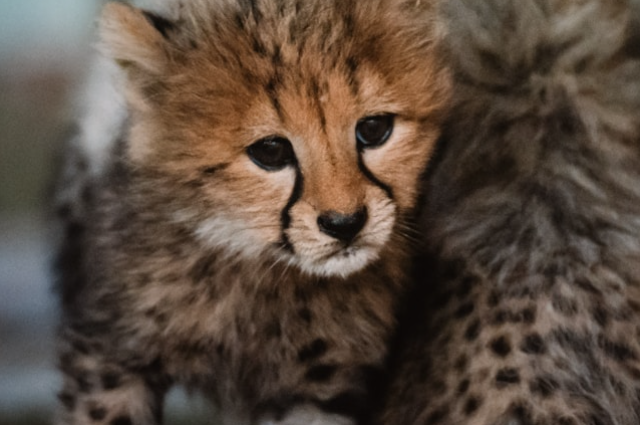
The Government of India’s Project Cheetah, initiated in 2022, represents the world’s first intercontinental translocation of a large carnivore aimed at restoring the extinct cheetah (Acinonyx jubatus) to its historical range. India launched Project Cheetah to reintroduce the cheetah, which had been declared extinct in the country in 1952.The initiative involves translocating African cheetahs from Namibia and South Africa to suitable habitats such as Kuno National Park (Madhya Pradesh). A key indicator of success for this project is breeding and population establishment, which determines long-term sustainability. From a conservation success perspective, the project has achieved several noteworthy milestones, although it continues to function as an adaptive, experimental programme.
As of early 2026, India’s cheetah population has crossed 50 individuals, a significant increase from the original founding population of 20 translocated animals from Namibia and South Africa. This growth is largely driven by successful in situ reproduction, with over 30 India-born cubs recorded and at least 10 successful litters documented in Kuno National Park. The high proportion of India-born individuals is a key indicator of ecological adaptation, reproductive viability, and the early establishment of a resident breeding population—central criteria for assessing reintroduction success.
As of late 2025, India had around 30 cheetahs, including 19 India-born individuals. By early 2026, the number increased to about 38 individuals, reflecting ongoing breeding success. Cheetahs began breeding within one year of reintroduction, indicating rapid adaptation. Around 39 cubs have been born since 2023, with about 27 surviving. Multiple females (e.g., Aasha, Gamini) have produced repeated litters, showing reproductive stability. The success of the first cheetah births in India in over 70 years is a strong evidence that habitat conditions in Kuno are suitable for reproduction and survival. The emergence of second-generation cubs (born from India-born cheetahs) is indeed a major milestone achieved in this megafauna conservation.
The key factors behind breeding success is that Kuno National Park provides a suitable habitat with adequate prey base, low human disturbance, large contiguous forest landscape; as well proper scientific management through use of radio collars, constant veterinary monitoring, and following standard operating procedures for successful natural breeding. The natural breeding conditions maintained successfully at Kunho include direct mother cheetah-reared cubs without any/minimal human interventions, and ensuring development of natural survival skills and instincts in the animals by providing them a natural habitat. Furthermore, international collaboration in the form of strong partnerships with Namibia and South Africa ensured genetic diversity of the introduced cats, better exchange of technical expertise in cheetah management in their new habitat has added to the successfully of the story.
However, despite the successes, several challenges threaten the long-term sustainability of the project due to very high mortality rates. Several adult cheetahs and cubs have died due to persistent infections, pathogenesis, injuries incurred among competing males during establishment of mating rights with the receptive females; and also due to failure of adaptability of the animals to this extremely new and challenging environment. There are concerns among experts regarding the limited area for the survival of viable breeding population, Carrying Capacity issues, and the ideal habitat size requirements for the cheetahs may not be fully met in Kuno.
Wildlife experts have also raised their sincere concerns regarding the Prey and Ecosystem Compatibility of the habitat. The dominance of certain prey species (e.g., chital or Axis deer) may not perfectly suit the African cheetahs. The use of African cheetahs instead of Asiatic subspecies raises serious genetic authenticity concerns along with potential ecological mismatch risks. Wildlife veterinarians have also pointed their criticism over proper management and monitoring gaps, delayed medical intervention in some cases. There are also raging debates over allocation of conservation resources without prioritization over native endangered species.
There are future plans to introduce cheetahs in other reserves such as Gandhi Sagar Wildlife Sanctuary to expand cheetah habitation areas in India. The Indian Government aims to reach ~50 cheetahs by 2026, driven by breeding success together with proper ecosystem restoration via grassland regeneration and/or establishment, biodiversity enhancement and improved breeding management focusing specifically on better cub survival, ensuring genetic diversity, and through long-term metapopulation planning Cheetah breeding in India under Project Cheetah has shown encouraging early success, with rapid reproduction, multiple successful litters, and growing population including second-generation cubs. However, significant ecological, biological, and management challenges remain, particularly high mortality rates, serious habitat limitations and questions of Long-term sustainability. The project is in a “consolidation phase”, where continued monitoring, habitat expansion, and scientific management will determine whether India can establish a self-sustaining cheetah population.
Ecologically, the project has demonstrated encouraging signs of habitat suitability and behavioural acclimatization. Translocated cheetahs have established home ranges, exhibited natural dispersal patterns (including movement beyond park boundaries), and adapted to prey species within Indian grassland ecosystems.
These developments suggest that selected habitats, particularly Kuno and its proposed landscape corridors, possess the potential to sustain viable populations in the long term.
From a broader conservation standpoint, Project Cheetah has contributed to ecosystem restoration and policy innovation. It has revitalized attention toward India’s neglected grassland ecosystems, promoted landscape-level conservation planning (e.g., the Kuno–Gandhi Sagar corridor), and strengthened international collaboration in wildlife conservation. Additionally, the project has generated socio-economic benefits through eco-tourism and local community engagement, enhancing public support for conservation initiatives.
However, despite these achievements, the project remains in an early and fragile phase. Initial mortality among translocated individuals, veterinary management challenges, and concerns over genetic suitability and habitat Carrying Capacity indicate that long-term success is not yet assured. Scientific opinion remains divided, emphasizing that reintroduction outcomes must be evaluated over extended time frames rather than short-term population gains.
In conclusion, from a conservation success perspective, Project Cheetah can be regarded as a promising but evolving initiative. The demonstrated breeding success, population growth, and ecological adaptation signify important early achievements. Nevertheless, sustained monitoring, scientific management, habitat expansion, and adaptive policy interventions will be critical to transforming this initial success into a stable, self-sustaining cheetah metapopulation in India