
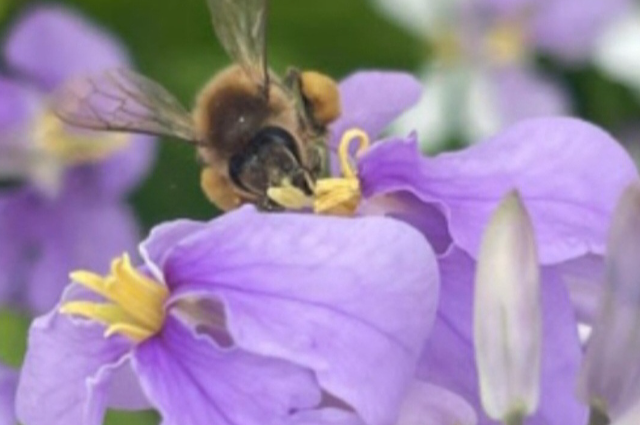
Apiculture (beekeeping) carried out by women in Malawi has strong positive effects on local ecology, ecosystem services, food security, and community resilience. When women lead apicultural activities, the benefits extend beyond household income — they strengthen pollination networks, boost crop yields, support the regeneration of wild plants, and foster sustainable land-use practices. This article summarises those ecological and ecosystem benefits, explains the pathways through which women’s participation multiplies positive outcomes, identifies risks and barriers, and offers practical recommendations for policymakers, NGOs, and community leaders.
Beekeeping is an approach to livelihood that aligns with Malawi’s largely rural economy, diverse cropping systems, and mosaic landscapes (farmland, woodlands, riparian strips). Women play central roles in smallholder agriculture and household food provisioning; when women adopt apiculture, their decisions about hive placement, forage management, and honey use shape local ecological processes. Women-led apiculture is low-input, scalable, and adaptable to small landholdings — making it particularly suitable for Malawi’s rural households.
Honey bees (and other pollinators supported by beekeeping activities) are effective pollinators for many of Malawi’s key food and cash crops — for example (but not limited to) groundnuts, pigeon pea, okra, sunflower, vegetables, and fruit trees. Increased pollination raises fruit set and seed quality, improves yields and marketable produce quality, and enhances dietary diversity when women use increased yields for household nutrition. Women beekeepers who integrate hives near home gardens and diverse cropping areas create consistent local pollinator populations, improving pollination service reliability where it is most needed.
Beekeeping encourages the preservation and restoration of flowering plants and trees. Women often manage home gardens, village woodlots, and field margins — areas critical for forage and nesting sites for wild pollinators. Key effects include: promotion of native flowering species and agroforestry trees (flowering indigenous trees, fruit trees), improved habitat connectivity through maintenance of hedgerows, riparian strips, and live fences and support for other pollinator taxa (solitary bees, butterflies) by fostering floral resource continuity across seasons.
Beekeepers have incentives to protect soils and water catchments that sustain flowering vegetation. Women’s stewardship of small-scale landscapes (kitchen gardens, agroforestry plots) encourages planting of soil-stabilising and nectar-bearing species, contributing to erosion control and microclimate regulation. Diverse pollinator populations and floral resources increase ecosystem resilience to shocks such as drought, pest outbreaks, and crop failure. Women-led apiculture that prioritises diverse foraging sources spreads ecological risk and maintains pollination services under variable conditions.
Women typically make decisions about household gardens, seed saving, and food processing; they also manage many on-farm biodiversity elements. When women adopt apiculture, they tend to place hives close to homes and gardens, directly linking pollination gains to household food security. Women often combine beekeeping with tree planting and care of medicinal/cultural plants, boosting biodiversity. They share knowledge within social networks (women’s groups, savings groups), accelerating the adoption of pollinator-friendly practices across villages. The income from honey and hive products frequently funds household needs and community projects (water points, seedlings), enabling further ecological stewardship.
Apiculture provides diversified income (honey, beeswax, propolis), reduces dependency on single crops, and supplies nutrient-rich food. Women’s control over honey earnings often translates into improved child nutrition, schooling, and health expenditures — socially reinforcing ecological benefits by increasing support for sustainable practices. Women may lack access to beekeeping equipment, training, and extension services and having limited secure access to communal or private spaces can constrain optimal hive. Use of pesticides in neighbouring fields may harm bee colonies and pollinator communities. Women may face challenges in accessing markets, fair pricing, and value-added processing facilities. Social norms or concerns about bee stings may limit women’s mobility or participation. Addressing these barriers is essential to realise the full ecological potential of women-led apiculture in Malawi.
For community organisations and extension services, it is very important to provide practical, hands-on beekeeping training tailored to women’s schedules and literacy levels, including hive management, swarm control, and safety. Facilitating the formation of women’s beekeeping groups for shared equipment, collective marketing, and knowledge exchange can attract more women towards local apiculture in Malawi.
Promoting pollinator-friendly plantings will be very important in the form of distribution of seedlings of nectar- and pollen-rich native species for home gardens and field margins, together with demonstration of various agroforestry models that combine income species and forage trees. Supporting local micro-credit, tool libraries, or group-funded purchase of hives and protective gear will empower women successfully.
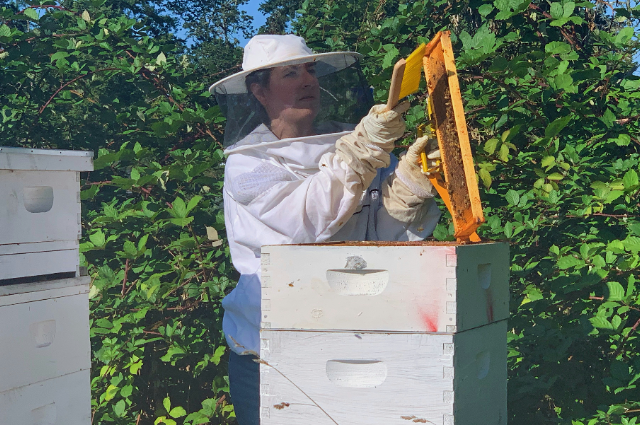
Recognition of apiculture in extension curricula, land-use policies, and restoration projects will add to the attention of the horticultural department. Enforcing safe pesticide practices and providing farmer training to reduce off-target impacts on bees. Investing in women-friendly value chains (processing, packaging, branding) and local market linkages will bring in more and more women in Malawi to be engaged, as beekeeping enthusiasm is quite high.
Suggested indicators for monitoring Makawi women's beekeeping success include:
- Number of active women beekeepers and women’s beekeeping groups.
- Hive survival and productivity rates.
- Changes in the yield of pollinator-dependent crops in home gardens and adjacent fields.
- Diversity and abundance of flowering plants in managed areas.
- Household income from honey and proportion invested in conservation or agriculture.
- Participation of women in market and value-chain activities.
- For researchers and monitoring programs, tests can be done by crop yield changes and dietary impacts in communities with women-led apiculture.
- Measuring floral resource diversity, pollinator abundance, and hive health over time.
- Disaggregation of social and ecological outcomes by gender to ensure programs meet women’s needs.
Women-led apiculture in Malawi is a powerful, underused lever for enhancing local ecology and ecosystem services. By reinforcing pollination networks, promoting biodiversity-friendly land management, and linking ecological stewardship with household welfare, women beekeepers contribute to resilient, productive landscapes. Supporting women through targeted training, access to inputs and markets, and integration into policy will magnify both ecological and social returns — benefiting biodiversity, food security, and community wellbeing.