
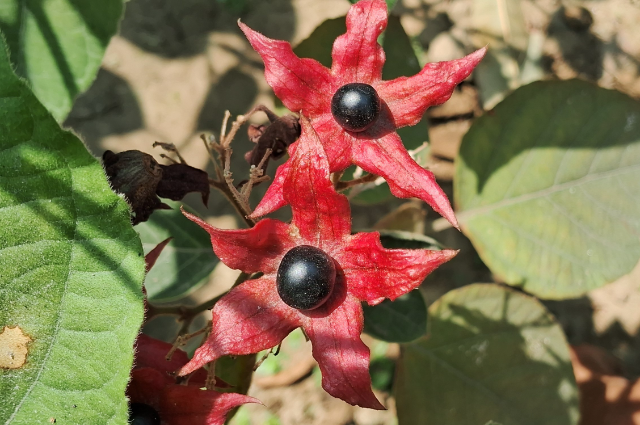
Several civilisations across the world have used Medicinal Plants. They are important for everyone especially for the Aboriginal tribes, due to their natural properties and their consistent role in both traditional and modern medicine. These plants provides important raw materials that are important for medicinal industries, and hospitals use these raw materials to make medicines.
Importance of Medicinal Plants
- Medicinal plants are used in traditional medicine systems like Siddha, Unani and Ayurveda, etc.
- Many modern medicines has been derived from medicinal plants, such as Aspirin, which originates from willow bark.
- Medicinal Plants are used in nutraceutical and functional foods due to its antioxidant, anti-inflammatory and antimicrobial properties.
- Medicinal plants can be cultivated sustainably, providing a renewable source of raw materials for various industries.
Importance of Medicinal Plants in the Pharmaceutical, Nutraceutical, and Functional Food Industries:
- Pharmaceutical Industry: Many modern medicines are derived from medicinal plants. For example, Aspirin originates from willow bark and Paclitaxel, a cancer drug derived from Pacific yew tree. Reserpine, a medicine derived from Rauvolfia serpentina (Sarpagandha) plant, Vincristine and Vinblastine, are medicines obtained from Catharanthus Roseus (Sadabahar or Baramasi plant) and artemisinin medicine is obtained from Artemisia annua.
- Nutraceutical Industry: Nutraceuticals are products derived from food resources that provide a range of health benefits, including the prevention and treatment of diseases.
- Functional Food Industry: Functional foods are consumed as a part of a normal diet, but enhanced with health promoting diet. These foods are supported with Medicinal plants.
Global Position of India in Commercialisation of Medicinal Plants:-
India is one of the richest countries in terms of medicinal plants. India has over 8000 species of medicinal plants. Despite all of this, India has a strong tradition of herbal medicine systems like Ayurveda, Unani, Siddha and Tribal Medicines.
India is the second-largest producer of medicinal plants globally, producing around 8.75% of the total production.
- Global Herbal Medicine Market: $60
- India’s Share: $1 billion
- Growth Rate: 7% per annum
- Export Value: $456.12 million (2017-2018)
- Top Export Products: Psyllium Husk, Senna Derivatives, Menthol, Sandalwood Oil
Top medicinal plants in India:
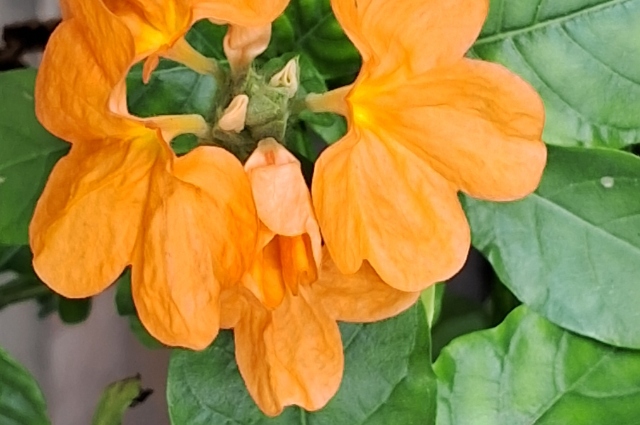
- Aloe vera: Aloe vera is used in skincare products and for its medicinal properties.
- Tulsi: Tulsi, or holy basil, is known for its adaptogenic and stress-relieving properties.
- Turmeric: Turmeric contains curcumin, which has potent anti-inflammatory and antioxidant properties.
- Ashwagandha: Ashwagandha is an adaptogenic herb used to reduce stress and anxiety.
- Ginger: Ginger has anti-inflammatory properties and is used to aid digestion.
Challenges for Conserving Indian Medicinal Plants in India
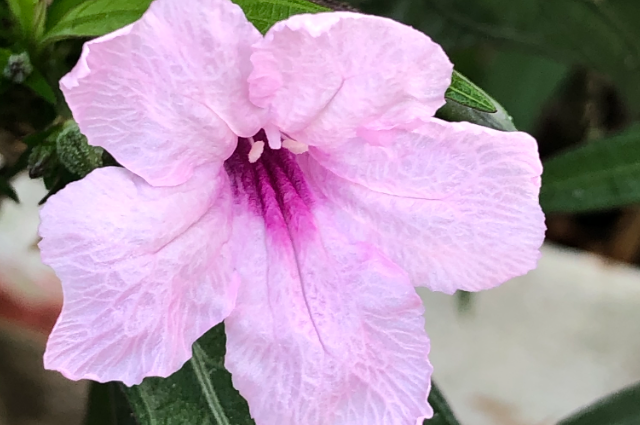
- India is one of the world’s richest repositories of medicinal plant diversity, forming the backbone of traditional systems like Ayurveda, Siddha, Unani, Sowa-Rigpa, and folk medicine. With over 7,000–8,000 medicinal plant species recorded, these biological resources are vital for healthcare, livelihoods, and cultural heritage. However, their conservation faces serious and multi-dimensional challenges.
- Overexploitation and Unsustainable Harvesting: Many high-demand species (e.g., Saraca asoca, Rauvolfia serpentina, Aconitum spp., Nardostachys jatamansi) are overharvested from the wild. Unregulated collection, destructive harvesting methods (uprooting, bark stripping), and illegal trade severely threaten natural populations.
- Commercialisation and Market Pressure: The growing global herbal industry has increased demand for raw plant materials. This leads to commercial extraction without ecological safeguards, converting medicinal plants into purely economic commodities rather than ecological resources.
- Climate Change Impacts: Rising temperatures, erratic rainfall, shifting monsoon patterns, droughts, and extreme weather events are altering plant distribution, phenology, and regeneration patterns—especially in sensitive ecosystems like the Himalayas, Western Ghats, and Northeast India.
- Erosion of Traditional Knowledge: Traditional ethnomedicinal knowledge held by tribal and indigenous communities is rapidly disappearing due to cultural change, migration, and lack of documentation. This weakens sustainable conservation practices rooted in community wisdom.
- Weak Policy Implementation and Governance: Although India has biodiversity laws, forest acts, and conservation policies, poor enforcement, lack of coordination, and policy gaps reduce their effectiveness. Illegal trade and biopiracy continue despite legal frameworks.
- Lack of Cultivation and Domestication: Most medicinal plants are still wild-harvested rather than cultivated. Limited research on propagation, agrotechniques, and farmer incentives restrict large-scale sustainable cultivation.
- Invasive Species and Ecosystem Degradation: Invasive alien plants, soil degradation, forest fires, overgrazing, and pollution degrade ecosystems, reducing the survival and regeneration capacity of native medicinal flora.
- Low Public Awareness and Education: Conservation remains limited due to lack of awareness among local communities, collectors, traders, and consumers about sustainable use and ecological consequences.
Way Forward (Conservation Strategies)
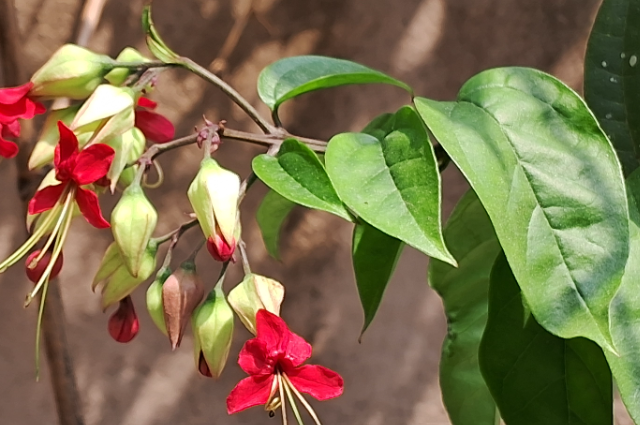
- In-situ conservation (biosphere reserves, sacred groves, protected forests)
- Ex-situ conservation (botanical gardens, seed banks, tissue culture, herbal gardens)
- Community-based conservation models
- Promotion of medicinal plant cultivation through farmer incentives
- Documentation of traditional knowledge
- Sustainable harvesting protocols
- Stronger policy enforcement and monitoring
- Integration of conservation with livelihoods
Conserving Indian medicinal plants is not only a biodiversity issue but also a matter of health security, cultural survival, ecological stability, and sustainable development. A holistic approach integrating science, policy, community participation, and traditional wisdom is essential for safeguarding this priceless resource.