
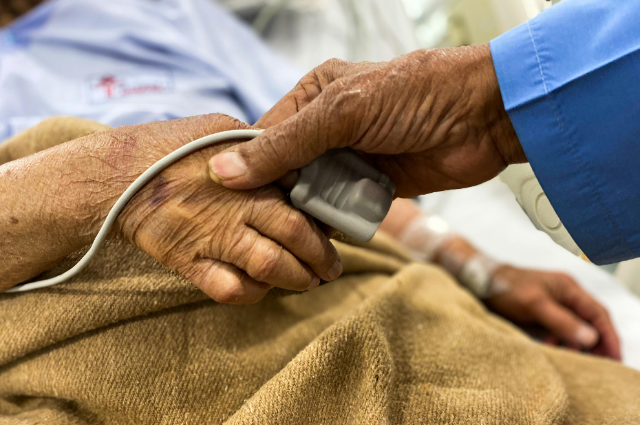
Image Source: Pexels.com by Muskan Anand
In a deeply emotional and constitutionally significant judgment, the case of Harish Rana vs. Union of India has marked a turning point in India’s medico-legal and ethical landscape. For the first time, the judiciary explicitly permitted the withdrawal of life support—including Clinically Assisted Nutrition and Hydration (CANH)—for a patient in a prolonged vegetative state. This decision reinforces the evolving interpretation of Article 21 of the Constitution of India, extending it beyond mere survival to include the right to die with dignity.
India, a nation where medical ethics, religious beliefs, legal frameworks, and social emotions intersect intensely, has long struggled with the question: Is prolonging life always humane? This article explores euthanasia in India through legal evolution, landmark judgments, global comparisons, ethical dilemmas, and societal awareness—anchored in data and analytical depth.
Understanding Euthanasia: Meaning and Types
Euthanasia is derived from the Greek words “eu” (good) and “thanatos” (death), meaning “good death.” In legal and ethical terms, it refers to the deliberate intervention undertaken to end a person’s life to relieve them from incurable suffering, terminal illness, or irreversible medical conditions. It raises critical questions about autonomy, dignity, and the scope of state intervention under Article 21 of the Constitution of India.
- Active Euthanasia
Active euthanasia involves a deliberate and direct act to end a patient’s life, such as administering a lethal injection. It is considered illegal in India as it amounts to culpable homicide under criminal law. However, it is legally permitted under strict regulations in countries like the Netherlands and Belgium, where detailed safeguards ensure voluntary and informed consent.
- Passive Euthanasia
Passive euthanasia refers to the withdrawal or withholding of life-sustaining treatment, such as ventilators, feeding tubes, or medications, allowing the patient to die naturally. In India, it is legally permitted under judicial guidelines, especially after landmark rulings like Aruna Shanbaug vs. Union of India and Common Cause vs. Union of India, subject to strict procedural safeguards and medical board approvals.
- Voluntary Euthanasia
Voluntary euthanasia occurs when a competent patient consciously requests the termination of their life to escape unbearable suffering. It is based on the principle of individual autonomy and informed consent. In India, voluntary passive euthanasia is indirectly recognised through mechanisms like living wills, though active forms remain prohibited.
- Non-voluntary Euthanasia
Non-voluntary euthanasia is applied when the patient is incapable of giving consent, such as in cases of coma or permanent vegetative state. Decisions are taken by family members or legal authorities based on the best interest principle. The Harish Rana vs. Union of India exemplifies this, where withdrawal of life support was permitted after medical and judicial scrutiny.
- Involuntary Euthanasia
Involuntary euthanasia refers to ending a person’s life against their expressed will or without consent, and is universally considered illegal and unethical, equated with homicide. It violates fundamental human rights and has no legal sanction in any jurisdiction.
The Harish Rana Case: A Landmark Shift
The case of Harish Rana vs. Union of India is rooted in a tragic incident from 2013 in Ghaziabad (Uttar Pradesh), where Harish Rana, then a 19-year-old, reportedly fell from a building, suffering severe traumatic brain injury. Since the accident, he remained in a permanent vegetative state (PVS)—a condition marked by complete loss of cognitive function, inability to communicate, and dependence on life-sustaining medical devices such as feeding tubes and supportive care systems. Over the years, multiple medical evaluations consistently indicated that his condition was irreversible, with no possibility of neurological recovery.
His family, facing prolonged emotional and financial distress for over a decade, initially approached the Delhi High Court seeking permission for euthanasia. However, the High Court refused the plea, primarily on the ground that the patient was not “terminally ill”, thereby highlighting a legal grey area between terminal illness and irreversible vegetative conditions. The matter eventually escalated to the Supreme Court of India, leading to a landmark constitutional interpretation.
Key Observations by the Court
- The Court noted that the patient had remained in a permanent vegetative state for over 13 years, with no signs of awareness, responsiveness, or cognitive activity, effectively reducing existence to mere biological survival.
- It relied on multiple expert medical board reports, which unanimously confirmed irreversible brain damage and absence of recovery prospects, strengthening the evidentiary basis for judicial intervention.
- The prolonged suffering of the family and the absence of any meaningful quality of life led the Court to consider whether continuation of artificial support violated the dignity principle under Article 21 of the Constitution of India.
Supreme Court’s Historic Decision
- The Supreme Court of India permitted the withdrawal of life-sustaining treatment, marking one of the first clear implementations of passive euthanasia in such circumstances.
- It explicitly held that Clinically Assisted Nutrition and Hydration (CANH) constitutes a form of medical treatment, and therefore, can be legally withdrawn under due process.
- The judgment reaffirmed that the “right to life” includes the right to die with dignity, especially in cases where life is sustained artificially without consciousness.
Why This Matters (Analytical Significance)
- The ruling resolves earlier ambiguity regarding the withdrawal of feeding tubes and hydration, which were previously seen as basic care rather than medical intervention.
- It broadens the scope of passive euthanasia in India by including non-terminal but irreversible conditions like PVS within its ambit.
- Most importantly, it strengthens the constitutional vision of dignity under Article 21, shifting focus from mere survival to the quality and meaning of life.
Evolution of Euthanasia Law in India
India’s legal approach to euthanasia has evolved gradually through judicial interpretation, expanding the scope of the right to die with dignity under Article 21 of the Constitution of India.
- The Aruna Shanbaug Case (2011)
Aruna Shanbaug vs. Union of India marked the first judicial recognition of passive euthanasia in India, where the Supreme Court permitted withdrawal of life support under strict safeguards. It introduced the requirement of prior approval from the High Court, ensuring judicial oversight in end-of-life decisions.
- The Common Cause Case (2018)
In Common Cause vs. Union of India, the Supreme Court gave constitutional legitimacy to passive euthanasia and recognised the concept of a “Living Will” (advance directive). This judgment strengthened individual autonomy, allowing persons to decide in advance about the refusal of life-sustaining treatment.
- Simplification in 2023
The Supreme Court further simplified procedural requirements related to living wills by reducing excessive formalities and bureaucratic delays. This made the implementation of advance directives more practical, accessible, and time-efficient in real-life medical situations.
4. Recent Legal Development (2026)
In 2026, a landmark ruling enabled withdrawal of CANH (feeding and hydration), further strengthening the clarity and scope of passive euthanasia law in India.
Statistical Context: Why This Debate Matters
India, with a population exceeding 1.4 billion, faces a significant end-of-life care burden, as nearly 10 million people suffer from terminal illnesses annually, out of which approximately 1–2% (10–20 lakh patients) endure prolonged and irreversible suffering in critical conditions. The economic strain is equally severe, with ICU costs ranging between ₹15,000–₹50,000 per day in urban areas, while nearly 70% of healthcare expenditure remains out-of-pocket, pushing many families into financial distress. Furthermore, studies indicate that over 60% of ICU beds are occupied by terminally ill patients, and the annual cost of maintaining a patient in a vegetative state often exceeds ₹20 lakh, underscoring not only the emotional trauma but also the unsustainable economic burden on families and the healthcare system—thereby strengthening the case for a humane and regulated euthanasia policy framework in India.
Global Perspective: Where is Euthanasia Legal?
Globally, the legal status of euthanasia varies significantly, reflecting differing ethical and legal frameworks across countries. Active euthanasia is legally permitted under strict safeguards in countries like the Netherlands and Belgium (both since 2002), and later in Canada (since 2016), where detailed protocols ensure voluntary consent and medical scrutiny. In contrast, countries such as Switzerland (since 1942) and parts of the United States (beginning with Oregon in 1997) permit assisted dying, where the patient self-administers life-ending medication under legal supervision. India adopts a more cautious approach, allowing only passive euthanasia under strict procedural safeguards and judicial oversight, thereby balancing ethical concerns, medical accountability, and the constitutional mandate of dignity under life rights.
Living Will vs. Euthanasia:
A Living Will (Advance Directive) is a legally recognised document through which an individual expresses their future medical preferences, particularly regarding refusal of life-sustaining treatment in case they become incapable of decision-making. It was given legal validity in Common Cause vs. Union of India, thereby strengthening the principle of patient autonomy. In contrast, euthanasia refers to the act of ending life to relieve suffering, which in India is permitted only in its passive form, i.e., withdrawal of life support under strict legal safeguards. While a living will is preventive in nature, guiding future decisions, euthanasia is reactive, implemented when the situation arises. Both mechanisms aim to uphold dignity at the end of life, but differ in procedure, consent, and execution.
| Feature | Living Will | Euthanasia |
| Nature | Preventive | Reactive |
| Consent | Given in advance | Given or inferred later |
| Legal Status | Fully legal | Partial (passive only) |
| Execution | Doctors follow the directive | Requires approval |
Legal Basis: Constitutional and Ethical Framework
The Supreme Court of India has expanded the scope of Article 21 of the Constitution of India through various judgments:
- Right to live with dignity: Life under Article 21 is not mere survival but includes a meaningful and dignified existence, even at the end stage.
- Right to refuse treatment: Individuals have the autonomy to decline medical intervention, especially when treatment only prolongs suffering.
- Right to die naturally: Recognizes that allowing natural death without artificial prolongation is part of dignified living.
- Ethical Principles guiding euthanasia decisions:
- Autonomy: Respects the patient’s independent choice and consent in deciding their medical fate.
- Beneficence: Ensures decisions are taken in the best interest of the patient, aiming to reduce suffering.
- Non-maleficence: Upholds the principle of “do no harm”, avoiding unnecessary prolongation of pain.
- Justice: Promotes fair allocation of limited medical resources, especially in critical care settings.
Challenges Faced by Doctors
Doctors dealing with end-of-life decisions operate under intense legal uncertainty and emotional stress, especially in the absence of uniform implementation of euthanasia guidelines in India.
Legal Risks:
- Fear of prosecution (IPC Section 306): Doctors risk being accused of abetment of suicide, leading to hesitation in withdrawing life support even when legally permissible.
- Ambiguity in documentation: Lack of standardised procedures and paperwork creates confusion and fear of future legal complications.
- Fear of family disputes: Conflicts among relatives or allegations of negligence expose doctors to litigation and reputational damage.
- Practical Challenges:
- Low awareness of Living Wills: Limited patient awareness leads to the absence of clear directives, making decision-making difficult.
- Pressure from relatives: Families may insist on either continuing or withdrawing treatment, placing doctors in a conflicting position.
- Ethical dilemma: Doctors struggle between their duty to save life and the need to avoid prolonging suffering unnecessarily.
Statistical Insight:
- Nearly 80% of Indian doctors report fear of litigation in end-of-life care decisions.
- Only 5–10% of hospitals in India have clear euthanasia or end-of-life protocols, indicating systemic gaps.
Doctor’s Perspective
Doctors are often at the intersection of law, ethics, and human suffering, making euthanasia-related decisions deeply challenging.
In Euthanasia Cases:
- Ethical burden of “letting die”: Withdrawing treatment can feel like active participation in death, despite legal backing.
- Emotional trauma: Continuous exposure to terminally ill patients and such decisions leads to mental and emotional strain.
- Legal scrutiny: Every step is subject to judicial and administrative review, increasing professional risk.
In Living Will Cases:
- Clearer guidance: Advance directives provide explicit instructions, reducing uncertainty in decision-making.
- Reduced moral burden: Doctors can rely on the patient’s own wishes, easing ethical conflict.
- More structured process: Defined legal procedures ensure transparency, accountability, and protection for medical professionals.
Advantages of Legalising Passive Euthanasia
Legalising passive euthanasia in India aligns medical practice with constitutional values of dignity and autonomy, while addressing practical healthcare challenges.
- Preserves dignity: Allows patients to die with dignity rather than being kept alive artificially in irreversible conditions.
- Reduces suffering: Prevents prolonged physical and emotional pain, especially in terminal or vegetative states.
- Decreases financial burden: Reduces high ICU and life-support costs, easing economic strain on families.
- Optimises healthcare resources: Frees up critical care beds and medical infrastructure for patients with better recovery prospects.
- Respects patient autonomy: Upholds the individual’s right to choose or refuse treatment, reinforcing personal liberty.
Disadvantages and Concerns
Despite its benefits, passive euthanasia raises several ethical, social, and legal concerns that require careful regulation.
- Possibility of misuse: Risk of decisions being influenced by financial motives or inheritance issues.
- Pressure on vulnerable patients: Elderly or dependent individuals may feel burdened and indirectly coerced.
- Ethical conflicts: Creates tension between medical duty to save life and allowing natural death.
- Religious opposition: Many belief systems consider life as sacred, opposing any form of life-ending intervention.
- Lack of awareness: Limited understanding may lead to misinterpretation or misuse of legal provisions.
Awareness Among Indian Citizens
Awareness regarding euthanasia and living wills in India remains significantly low, affecting the effective implementation of legal provisions.
- Only 12–15% of Indians are aware of living wills, indicating a major gap in legal literacy.
- Less than 5% have formally documented such directives, limiting their practical impact.
- A majority of people still associate euthanasia with illegality, reflecting widespread misconceptions.
Reasons for Low Awareness:
- Cultural taboo around death: Discussions on death and end-of-life decisions are often avoided in society.
- Lack of legal literacy: Limited knowledge about rights under Article 21 of the Constitution of India and court rulings.
- Poor healthcare communication: Doctors and institutions rarely initiate end-of-life planning discussions with patients and families.
Broader Societal Implications
The implications of the Harish Rana vs. Union of India judgment extend far beyond the legal domain, entering the realm of philosophy, ethics, and societal values. It compels society to confront fundamental questions about the meaning and quality of life, especially in cases where consciousness and human interaction are absent. The debate is no longer about mere survival, but about whether biological existence without awareness can be equated with living a meaningful life.
- What is life?: The judgment challenges the traditional notion that life is only about physical survival, emphasising the importance of dignity, awareness, and quality of existence.
- Is survival without consciousness meaningful?: It raises ethical concerns about sustaining life artificially when there is no possibility of recovery or interaction, questioning the purpose of prolonged medical intervention.
- Who decides when to let go? The ruling highlights the role of family, medical experts, and the judiciary in making sensitive end-of-life decisions within a regulated framework.
Overall, India’s long-held belief in the sanctity of life is now being balanced with the evolving principle of dignity in death, reflecting a shift towards a more humane and rights-based approach.
A Delicate Balance- Progress and Concerns:
A balanced evaluation of euthanasia laws in India reveals both progressive advancements and practical challenges, requiring a nuanced policy approach.
Positives:
- Strengthens constitutional morality: Upholds the expanded interpretation of Article 21 of the Constitution of India, ensuring dignity even in death.
- Aligns India with global practices: Brings India closer to international legal standards on end-of-life care, while maintaining necessary safeguards.
- Reduces ICU burden: Helps in optimal utilisation of limited healthcare resources, especially critical care infrastructure.
Concerns:
- Implementation gaps: Lack of uniform guidelines and hospital-level protocols leads to inconsistent application across states.
- Rural healthcare limitations: Inadequate medical infrastructure and awareness in rural areas hinder the effective execution of legal provisions.
- Legal awareness deficit: Low public understanding of euthanasia and living wills restricts their practical usability.
Way Forward:
- Nationwide awareness campaigns: Promote understanding of end-of-life rights and legal options among citizens.
- Hospital-level ethics committees: Ensure transparent, accountable, and case-specific decision-making.
- Legal literacy programs: Educate both citizens and healthcare providers about procedures and safeguards.
- Integration into medical education: Train doctors in medical ethics, legal compliance, and communication skills related to end-of-life care.
Emotional Reality:
Beyond legal frameworks and policy debates lies the deeply human dimension of suffering, often invisible in statistics and judgments. Every euthanasia case represents not just a patient, but an entire family enduring years of uncertainty, hope, and silent pain. A patient in a vegetative state for over a decade is not merely a clinical condition, but a prolonged experience of emotional and financial exhaustion.
- 13 years of hospital visits: Families remain in a constant cycle of caregiving, medical consultations, and waiting, often without any improvement.
- 13 years of financial strain: Continuous medical expenses, especially for ICU care and life support, can lead to severe economic hardship or debt.
- 13 years of emotional exhaustion: The psychological toll of seeing a loved one in an unresponsive state led to chronic stress, grief, and helplessness.
The evolving legal stance in India acknowledges this silent and prolonged suffering, recognising that compassion in law must extend not only to preserving life but also to respecting the dignity of death.
Conclusion:
The judgment in Harish Rana vs. Union of India marks a transformative moment in India’s constitutional and ethical jurisprudence, reinforcing that the right to life under Article 21 of the Constitution of India is not confined to mere biological survival but extends to living—and dying—with dignity.
From a broader perspective, the issue of euthanasia in India lies at the intersection of law, medicine, ethics, and societal values. While the judiciary has laid down a progressive and compassionate framework, the real challenge now is its effective implementation, especially in a country marked by low legal awareness, uneven healthcare access, and deep-rooted cultural sensitivities around death. The debate also underscores the need to balance individual autonomy with safeguards against misuse, ensuring that vulnerable sections are protected.
Ultimately, the discourse is not about choosing death over life, but about recognising the limits of medical intervention and respecting the natural course of life. As India advances, it must strive to build a system that integrates legal clarity, medical ethics, institutional mechanisms, and public awareness, thereby ensuring that the right to die with dignity is not just a judicial principle, but a socially accepted and responsibly implemented reality.
Final Message
"A humane society is not measured by how long it can prolong life through technology, but by how compassionately it respects the dignity of life even in its final moments—ensuring that when the time comes, letting go is guided not by helplessness, but by humanity, ethics, and dignity."
References
- Supreme Court Judgments (2011, 2018, 2023, Harish Rana case)
- Ministry of Health and Family Welfare Reports
- WHO End-of-Life Care Statistics
- Indian Journal of Medical Ethics
- NCRB Data on Healthcare and Mortality
- Global Euthanasia Laws – Comparative Legal Studies
- Economic Survey of India (Healthcare expenditure data)