
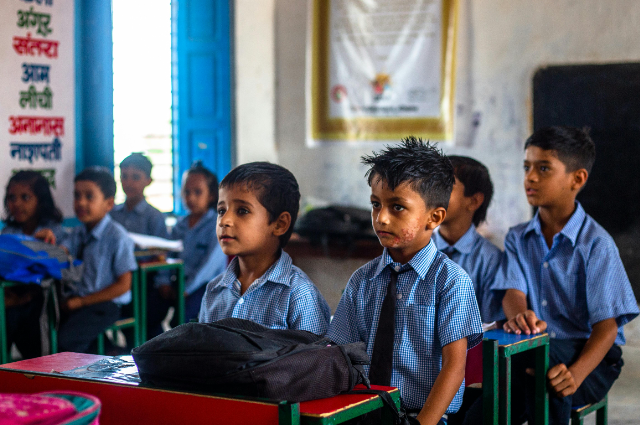
source: Swastik Arora on pexels.com
Names aren't just labels; they are packed with history, culture, and even destiny. So, when the Rajasthan government rolled out its ‘Sarthak Naam Abhiyan’ to "reform" student identities, it landed with a strange mix of concern and dark humour. The policy, aiming to discard "meaningless" names, gave out suggestions like Dahibhai or Makkhi. You can't help but wonder if this is actual reform or just bureaucratic satire playing out.
But once you get past the giggles, there's a pretty serious question lurking: should the state get to decide what makes a name, and by extension an identity, meaningful? It feels like a fundamental overstep, doesn't it?
It started with a good idea, honestly. The government folks figured some names could be a real drag, maybe even humiliating. They pointed out that a lot of these names came from old caste systems, village ways, or just common talk. You can see how having a name like that might make a kid feel self-conscious or look out of place. So, the plan was to swap them out for something more "dignified."
Sounds pretty forward-thinking, right? Everyone agrees that feeling worthy is a huge part of growing up and learning. But you can't just look at what a policy wants to do. You have got to look at how it is actually put together, how it is rolled out, and if it even fits the situation. And that's where this whole thing starts to fall apart.
AI churning out nearly 2,900 alternative names sounded like a neat trick, a real step forward for tech. But honestly, it just showed how far behind our rules are compared to the tools we're building. That's the gap, right? Shiny new digital stuff clashing with how things actually work in the real world.
See, AI, for all its smarts with numbers, can't really feel culture. It doesn't get why a name might hit someone right in the gut, or the whole tangled web of social meaning and personal history that comes with it. So, what we ended up with was a list that felt totally random, bordering on ridiculous.
Naming things can get complicated fast, can't it? Turns out, when they tried to strip names down to just administrative labels, they accidentally created a whole mess of meaninglessness. Your name isn't just a tag; it is a doorway into who you are.
Think about India, for instance. A name there can carry so much history — caste, where your family's from, religious roots, traditions. When the government just "sanitises" these names through paperwork, it really risks flattening out all that rich diversity. It makes you wonder, honestly, does the state even have the right to start redefining people's identities? The Constitution does say you've got a right to dignity and personal liberty.
Names can bring up rights issues, especially around speaking freely or going where you please. But it is not just about broad freedoms; it touches on really personal stuff too, like who you are. When a policy tries to force a name change, even with permission, it is walking a tightrope between helpful advice and overstepping boundaries.
This whole thing highlights how our synchronised society and official systems can be. India's a complicated place, and what might seem like a weird or old-fashioned name from a government office can actually mean a lot, culturally or emotionally, to people in a local community. You see names that feel a bit odd in big cities, but they're often tied to deep-rooted traditions out in the countryside.
Some names carry so much weight – they can be about grit, history, or just plain family pride. Calling them "meaningless" really risks shoring up existing social divides and pushing entire communities away. It chips away at cultural variety, too. The whole point was supposed to be about boosting people's sense of dignity, but honestly, it might just end up chipping away at it instead.
Laughter as a Reflection
How people reacted to the policy really says a lot. Folks went from disagreeing with it to openly making fun of it. That surge of people suggesting silly names online wasn't just for laughs. It clearly showed how out of touch the folks making the rules were with everyday people. In this case, humour kind of acted like a public opinion poll.
When governments start sounding like punchlines, it is usually not the citizens who are being unreasonable.
So, where's the actual line for the state?
Honestly, a democracy's government ought to help people out, not tell them what to do. It is great at raising awareness or setting up places for individuals to talk things through. Encouraging communities to be more open? Sure, that's a solid role. But barging into deeply personal stuff, like naming choices, feels like a step too far unless there's a really, really good reason.
Instead of dictating names, maybe it would work better to just get parents and communities on the same page. We could focus on tackling bullying in schools or making sure no one faces discrimination. Fostering a space where who you are is respected, not dictated by some rulebook, seems like a much smarter move.
What's next? Shifting from control to real empowerment.
You can't just engineer dignity with a flowchart. It is a hard lesson some governments are learning, and this whole episode really drives it home. The big takeaway? Technology should help us make better calls, not make the calls for us. Policy ideas, especially, need to start with what people actually understand and experience, not just what seems neat on paper.
And get this: letting people weigh in before you lay down the rules? That's not just good practice, it is essential. You can't just automate respect or expect a digital checklist to grant someone dignity. It is something that grows from people being treated with actual respect, accepted for who they are, and given some control over their own lives.
The whole 'Sarthak Naam Abhiyan' thing might be over, but the questions it stirred up? They're still super relevant. We're seeing data, algorithms, and how governments run things get all tangled up. And honestly, it just makes that urge to boil down complex human experiences into simple boxes even stronger. But here's the kicker: people's identities? They just don't fit into neat little spreadsheets.
Your name. It is messy, diverse, and yours alone. That's how it should be. After all, it is more than just what's on your birth certificate; it is what you respond to, what you own. It carries your pride, your history, your whole world. Honestly, that's something no government rule can ever truly change.
References:
- Sakal News Report on “Sarthak Naam Abhiyan”, April 2026
- The Times of India – Coverage on Rajasthan student naming controversy
- Article 21 – Right to Life and Dignity (Indian Kanoon)
- UNESCO Guidelines on Ethics of Artificial Intelligence
- https://www.newindianexpress.com