
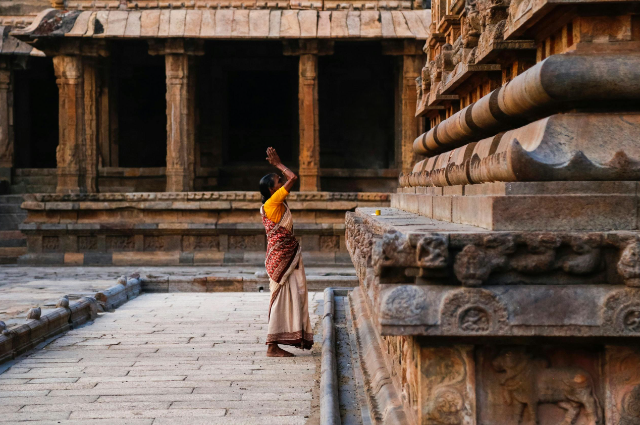
In the dry villages of Telangana and parts of Andhra Pradesh, faith has long carried a dangerous double meaning. For some families, devotion promises protection, rain, healing, and divine favour. For others, especially those born into poverty and caste-based exclusion, devotion has demanded a human price. The Jogini system, often described as “divine prostitution,” stands as one of India’s most haunting examples of how religion, patriarchy, and inequality can intertwine to normalise exploitation.
The Jogini tradition involves dedicating young girls to a local deity, usually during childhood or early adolescence. Once dedicated, the girl is declared married to the god or goddess and is forbidden from marrying a mortal man. In theory, she becomes a spiritual servant of the deity. In reality, she is stripped of choice, autonomy, and safety, and is pushed into a life where sexual exploitation is socially sanctioned and invisibilised under the language of faith.
The origins of the Jogini system, like the Devadasi system it resembles, were not always rooted in abuse. In early medieval India, women attached to temples held respected positions as performers, caretakers, and custodians of ritual culture. They were educated, skilled in art and music, and in some regions enjoyed a degree of independence uncommon for women of their time. Over centuries, however, the system eroded. Patronage declined, caste hierarchies hardened, and religious service became a justification for controlling the bodies of women from marginalised communities.
By the colonial and post-colonial period, the Jogini system had lost most of its ceremonial meaning. Dedication ceremonies increasingly targeted girls from Dalit and lower-caste families, often framed as a solution to poverty, illness, or misfortune. Parents were told that dedicating a daughter would appease the deity and protect the family from disaster. In villages with limited access to education or healthcare, superstition thrived where the state failed to reach.
Once dedicated, a Jogini’s life followed a narrow, punishing path. She was expected to participate in festivals and rituals, but outside these moments she lived on the fringes of society. Powerful men in the village, including landlords, priests, and local elites, claimed sexual access to her under the belief that intimacy with a Jogini brought divine blessings. Refusal was rarely an option. Because the system was framed as religious duty, abuse was not recognised as abuse. It was ritual. It was tradition. It was untouchable.
Marriage, companionship, and social legitimacy were denied to Joginis. Any children born to them carried the stigma of illegitimacy, inheriting the same social exclusion their mothers endured. With no land rights, no stable income, and little education, many Joginis survived through begging, informal labour, or continued sexual exploitation. Their bodies became sites where faith and violence quietly coexisted.
India outlawed the Jogini and Devadasi systems decades ago. The Andhra Pradesh Devadasis (Prohibition of Dedication) Act was passed in 1988, criminalising the dedication of women to temples and recognising the practice as a violation of human rights. Similar laws exist across several states. On paper, the system no longer exists.
On the ground, the story is far messier.
Despite legal prohibition, cases of Jogini dedication continue to surface, particularly in rural and economically vulnerable regions. The practice has adapted rather than disappeared. Ceremonies are conducted discreetly, sometimes rebranded under different local names to evade legal scrutiny. Law enforcement often lacks awareness or willingness to intervene, especially when community elders defend the ritual as cultural heritage. Victims rarely file complaints, fearing social backlash, economic ruin, or spiritual punishment.
The persistence of the Jogini system exposes a critical truth: laws alone cannot dismantle traditions that are upheld by fear, belief, and inequality. When poverty leaves families desperate and caste hierarchies deny dignity, harmful customs find room to survive.
For women who manage to escape the system, freedom does not guarantee safety. Many face intense stigma, mental health trauma, and financial instability. Rehabilitation schemes exist but are often underfunded, poorly implemented, or inaccessible. Without education or employable skills, former Joginis struggle to rebuild their lives in societies that continue to view them through a lens of shame rather than survival.
Yet resistance exists, and it grows quietly. Grassroots organisations, women’s collectives, and activists have played a crucial role in rescuing girls at risk of dedication, counselling families, and challenging religious leaders who legitimise abuse. Some initiatives focus on ensuring girls stay in school, recognising that education is one of the strongest shields against ritual exploitation. Others work with survivors, helping them access pensions, housing, and vocational training.
These efforts reveal something important: the Jogini system does not persist because of faith alone, but because of silence. It thrives where society refuses to name exploitation for what it is. It survives where women’s pain is spiritualised instead of addressed.
Calling the Jogini system “divine prostitution” is uncomfortable, but necessary. It forces a confrontation with the ways religion can be manipulated to serve power. It reminds us that not all traditions deserve preservation, especially when they demand suffering as proof of devotion.
The true test of a society’s values lies not in how deeply it reveres its gods, but in how fiercely it protects its most vulnerable. Ending the Jogini system is not about erasing culture. It is about reclaiming humanity from customs that forgot it.
Until every girl is allowed to grow without fear of being offered as an answer to poverty or prayer, the story of the Jogini system remains unfinished.
. . .
References:
- The News Minute – Joginis: Religious sex slaves of Telangana https://www.thenewsminute.com
- The Print – Banned in 1988, this ‘religious’ practice still forces Telangana’s Dalit women into sex slavery https://theprint.in
- IPS News – India’s Temple Slaves Struggle to Break Free https://www.ipsnews.net
- The Week – The Plight of Joginis https://www.theweek.in
- Centre for Economic and Social Studies (CESS) – Status of Jogini System and Rehabilitation of Joginis https://cess.ac.in
- Wikipedia – Devadasi system and prohibition laws https://en.wikipedia.org