
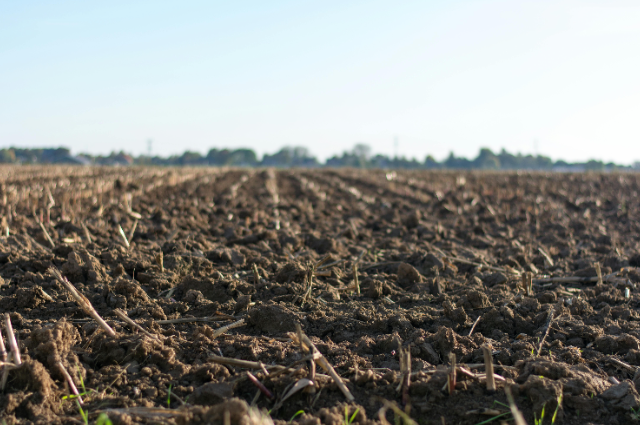
Farmer suicides in India are often reduced to numbers tucked away in government reports, but behind each statistic is a life shaped by years of pressure, uncertainty, and quiet suffering. As of early 2026, this crisis continues to unfold not just as an agricultural or economic problem, but as a deep mental health emergency rooted in inequality, climate stress, and social isolation. A farmer’s suicide is rarely triggered by a single failed crop or one unpaid loan. More often, it is the final tightening of what many describe as a silent noose—a slow accumulation of debt, fear, and hopelessness.
Data from the National Crime Records Bureau (NCRB) shows that around 10,000 to 11,000 people from the agricultural sector—including farmers and agricultural labourers—die by suicide each year. In 2023 alone, 10,786 such deaths were recorded, making up about 6.3% of all suicides in India. Put simply, this means nearly one farmer or agricultural worker dies by suicide every hour. Despite fluctuations in overall suicide rates nationwide, deaths within the agricultural sector have remained persistently high, concentrated in specific regions and among the most vulnerable groups.
Maharashtra continues to report the highest number of farmer suicides, often accounting for more than a third of the national total. Regions like Vidarbha and Marathwada have become grim symbols of agrarian distress, shaped by repeated droughts, falling groundwater levels, and heavy dependence on cash crops such as cotton. Karnataka follows closely, especially in drought-prone districts, while Andhra Pradesh and Telangana report significant numbers in cotton-growing belts exposed to pest attacks and global price volatility. One particularly troubling shift in recent years is that agricultural labourers now account for over 55% of suicides in the sector. This points to a deeper structural crisis—one marked by landlessness, informal work, and the absence of social security.
At the centre of this crisis lies indebtedness. When access to bank credit is blocked by paperwork, collateral requirements, or delayed approvals, farmers often turn to informal moneylenders who charge crushing interest rates. A single failed harvest—caused by drought, unseasonal rain, or pests—can turn a manageable loan into an impossible burden. As interest compounds and repayment deadlines loom, debt becomes more than a financial problem. It becomes a constant psychological presence, eroding confidence, dignity, and hope.
Climate change has only made farming more uncertain. Erratic monsoons, rising temperatures, shifting rainfall patterns, and increased pest infestations have transformed agriculture into a gamble. Unseasonal rain can wipe out crops overnight. Prolonged droughts force farmers to invest repeatedly in borewells that often fail. The pink bollworm infestation in cotton-growing regions shows how quickly ecological imbalance can devastate livelihoods. For small and marginal farmers, who lack savings or insurance buffers, such shocks are devastating.
Rising input costs add another layer of strain. Seeds, fertilisers, pesticides, and diesel have all become significantly more expensive, while crop prices have failed to rise at the same pace. Although Minimum Support Prices (MSPs) are revised regularly, many farmers never benefit from them due to limited procurement reach and dependence on private markets. Global price fluctuations for crops like cotton and soybeans further reduce income predictability, often leaving farmers unable to recover even basic investments.
Beyond economics, the mental health dimension of this crisis is shaped by powerful social pressures. In many rural communities, financial failure is internalised as personal failure. The inability to repay loans, arrange a child’s education or wedding, or cover medical costs carries deep shame. Mental health services in rural India remain scarce, with a severe shortage of professionals and strong cultural stigma around seeking psychological help. Depression, anxiety, and chronic stress often go unnoticed and untreated, leaving individuals to cope alone until the weight becomes unbearable.
Successive governments have attempted to respond through policy interventions. Schemes like PM-KISAN, which provide ₹6,000 per year in direct income support, offer some relief but are widely seen as insufficient given rising living costs. The Pradhan Mantri Fasal Bima Yojana (PMFBY) aims to protect farmers against crop loss, yet delayed payouts, limited awareness, and exclusion of tenant farmers weaken its impact. Loan waivers announced by state governments, especially in Maharashtra and Karnataka, provide temporary relief but fail to address the root causes of debt. MSP hikes, while important, cannot replace long-term market reforms or assured procurement systems.
The continued rise in farmer suicides despite these measures reveals a hard truth: financial aid alone cannot solve this crisis. Any meaningful response must integrate mental health into agricultural policy, strengthen rural healthcare infrastructure, expand access to fair institutional credit, and create alternative livelihood options beyond farming. Most importantly, society must stop treating farmer suicides as an unavoidable occupational hazard. They are not inevitable—they are the result of systemic neglect.
The silent noose tightening around rural India will not loosen through fragmented solutions or symbolic gestures. It requires sustained political will, empathetic governance, and a clear recognition that mental health is as vital to agricultural sustainability as soil, seeds, and rain. Until then, the numbers will continue to grow—each one representing a life lost to a system that failed to listen in time.
References
- National Crime Records Bureau (NCRB) – Accidental Deaths & Suicides in India (ADSI) https://ncrb.gov.in
- Lok Sabha Unstarred Question on Farmer Suicides (July 2025) – Digital Sansad https://sansad.in
- Rajya Sabha Discussion on Marathwada Agrarian Distress (March 2025) – Digital Sansad https://sansad.in
- The Hindu – “Uptick in Farmer Suicides in Marathwada” (2025) https://www.thehindu.com
- Down To Earth – “Why Maharashtra’s Farm Crisis Persists” (July 2025) https://www.downtoearth.org.in
- Times of India – “Maharashtra Records Highest Farmer Suicide Toll” (December 2025) https://timesofindia.indiatimes.com
- Scholar Publishing – The Impact of Policy on Farmer Suicide (2025 Review) https://www.scholarlypublishing.org
- ResearchGate – Farmers’ Suicides in India: Issues and Concerns https://www.researchgate.net
- Library Progress International – Trends and Policy Implications of Farmer Suicides (2024) https://www.bibliopub.com
- Wikipedia – Farmers’ Suicides in India https://en.wikipedia.org