

India is a country of great variety and richness, but it is just as much a country of contradictions. Some of the wealthiest people in the world live within its borders, and so do millions who live in extreme poverty. It has scientists, software experts and engineers who rank among the best anywhere, yet illiteracy and gaps in education are still common. India is also a fast-growing centre for medical tourism, attracting patients from all over the world, while most of its own people have little or no access to basic, life-saving healthcare. Despite real progress in finance and technology, children in many places still die of preventable illnesses such as diarrhoea and pneumonia, young adults die of malaria and tuberculosis, and young mothers go into labour afraid they may not survive. This landscape of sharp contrasts is the backdrop for one of the most painful medical and moral crises of our age, which is the illegal trade in human organs.
Traditional Indian philosophy describes several paths to salvation. These include Njanamarga (the way of knowledge), Karmamarga (the way of action) and Bhakthimarga (the way of devotion). Many community leaders, health advocates and activist priests who work on the ground feel most drawn to Karmamarga, the way of action, carried out with a quiet devotion that keeps them tied to a higher purpose. Experts in medical ethics, nephrology and sociology point out that the aim in a public health crisis is not just theory but the active promotion of care that is humanised, affordable and rational, or “HARC”. But reaching that goal means looking squarely at the grim machinery of the organ bazaar.
An organ can save a life. Very few achievements in modern medicine have changed human existence as much as organ transplantation. A patient who once faced a certain and painful decline can, because another person was generous, return to an ordinary working life. Doctors turn organ failure into possibility and despair into survival.
Yet beneath this success lies an uncomfortable truth. Every miracle raises a moral question, and transplantation raises one of the hardest. What happens when the human body becomes part of a commercial marketplace?
The illegal organ trade is not just a crime that happens in the dark. It is a symptom of deep social and economic conditions that allow human desperation to be turned into a product. It grows where healthcare is out of reach, where poverty leaves no way to earn a living, and where money and survival meet unequally. Each illegal transplant carries two stories at once. One belongs to a patient fighting to stay alive. The other belongs to a donor fighting to stay afloat financially.
The existence of such a market shows a deep contradiction. Human organs stand for life itself, yet they have increasingly become things to bargain over. The power to save a life should inspire compassion, but it often becomes a chance for profit. This is a moral challenge, not just a legal one. It makes us ask how much we value human dignity, and whether hardship should decide who gives up part of their body and who gains from it.
When Shortage Creates Opportunity: The Anatomy of Organ Trafficking in India
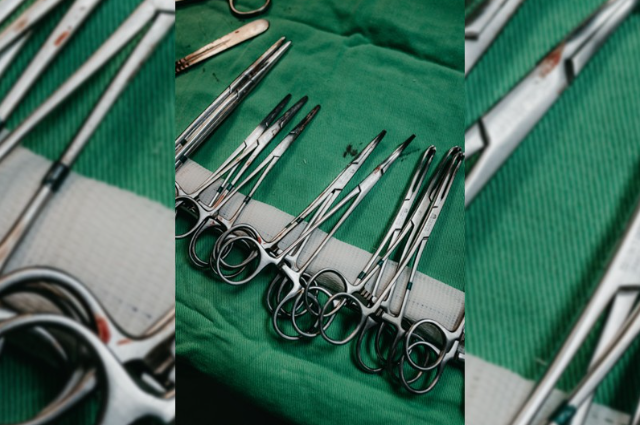
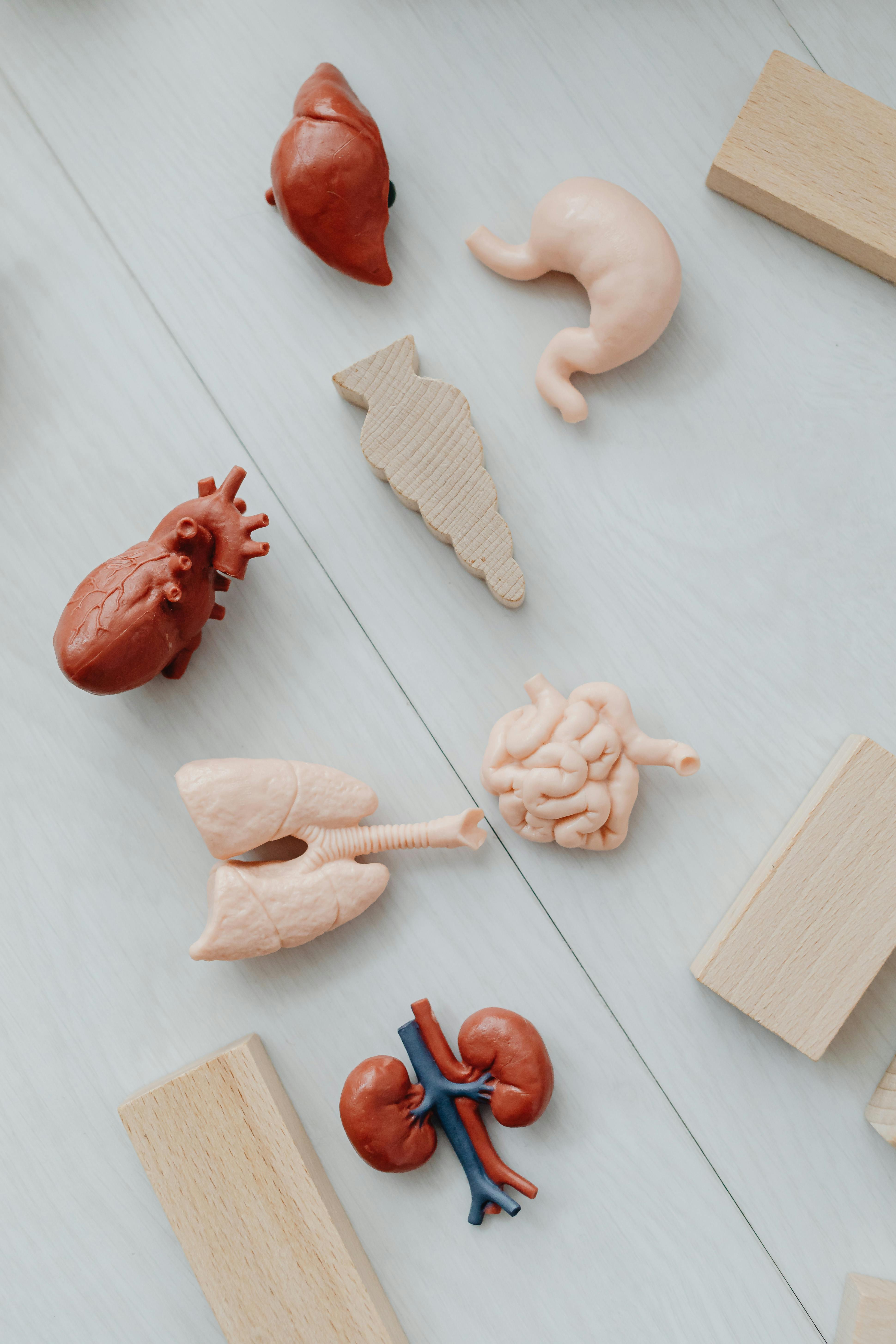

Every black market starts with scarcity, and organ trafficking follows the same rule. Thousands of patients need life-saving transplants each year, but organs fall far short, and as waiting lists lengthen, desperation grows. For many families, every week means poorer health, rising bills and fading hope, and lawful channels start to feel slow, uncertain or out of reach.
Scarcity by itself, though, does not create an illegal market. It becomes dangerous when it is joined by deep inequality. A patient with money has choices most citizens lack. Wealth buys better hospitals, specialist advice, wide networks and, at times, illegal routes. Poverty offers none of this. It hands people another role in the market, that of the vulnerable seller.
The Investigators and the Nexus
Anthropologists and medical researchers, such as Dr Lawrence Cohen, have carried out extensive studies that shed light on how organ trafficking is structured in India. Dr Cohen interviewed kidney donors, transplant doctors and government officials in the big cities where transplant surgery has long been concentrated, including Chennai, Bangalore, Delhi and Mumbai. He found a troubling link between medicine, politics, industry and kidney scandals.
Most of this collusion cannot be formally proven. Some leading transplant surgeons told Dr Cohen that selling organs was a “win-win situation” given India’s economic realities. There are strong signs that some doctors and Authorisation Committee members know organs are sold for money, but solid legal evidence of their direct role is very hard to find. The interviews also showed that political allies of patients and physicians often pressure committees for approvals, and that doctors sometimes accuse one another of illegal organ procurement.
Transnational Circuits and Transplant Tourism
In the 1980s, word travelled through international networks of kidney specialists that successful kidney transplants were easy to get in India, using kidneys from unrelated local sellers. Buyers came from Europe, the Middle East, Japan, North America, Southeast Asia and Australasia to use the Indian “kidney bazaar”.
Interviews with nephrologists and surgeons in Chennai and Bangalore revealed four major transnational circuits of business partnership and patient referral in the early 1990s. They linked India with the United Kingdom, North America, Russia and the Indian Ocean circuit, which covered the Middle East, Southeast Asia and North Africa. A UAE surgeon famously said that “Bombay kidneys” were cheaper and less safe than “Madras kidneys”.
After the Transplantation of Human Organs Act (THOA) was strictly enforced in 1994, foreign patients faced major obstacles. This gave rise to something new: Non-Resident Indians (NRIs) coming back to buy kidneys in the domestic market, a trend described as the “biologization of diasporic return”. Many of these buyers are elderly parents who moved West decades ago and now suffer high rates of organ failure from lifestyle diseases. Elite five-star hospital chains, born of the market liberalisation of the 1980s and with branches in India and abroad, have often been named in this specialised “transplant tourism”.
The Poverty Behind the Transaction: Victims of the Trade
People often imagine organ sellers make cold financial calculations. The truth is more complicated and sadder. Hardly anyone freely decides that selling an organ is good. Most are pushed into it by crushing circumstances, not preference. Debt, unemployment, medical emergencies, school fees and family duties can make selling an organ seem like immediate, essential relief.
Field research and sociological studies give a clear picture of who the seller is. One detailed study of 305 kidney sellers in Chennai found that 71% were women, with an average age of 35. In 47 of the cases, both husband and wife had sold a kidney. Middlemen and brokers took part in 70% of the deals. As many as 96% of the sellers gave up an organ specifically to pay off heavy debts that had built up from food, household costs, rent, medical crises and wedding expenses.
The amount promised for a kidney averaged about 1,410 USD, ranging from 450 to 6,280 USD. The amount actually paid averaged only 1,070 USD, ranging from 450 to 2,660 USD. Of the 292 participants who sold a kidney mainly to clear debts, 216 of them, or 74%, were still deeply in debt when the follow-up survey was done.
Studies by Farhat Moazam and her colleagues in Pakistan found much the same. There, 30 out of 32 kidney sellers sold their organs to repay debts owed to local landowners known as Zamindars. Sellers owed an average of Rs 130,000 before the sale. After middlemen took their share, they received about Rs 103,000 and stayed caught in the same trap.
The Illusion of Consent
This shows the deep ethical problem at the heart of organ trafficking: consent exists on paper, but real freedom does not. A legal system may accept a signature as proof of agreement, but human experience is more complicated. A person weighed down by debt technically chooses to sell a kidney, but when poverty has removed every other option, true choice falls apart.
The difference between agreement and freedom matters. Someone who is drowning and grabs a piece of driftwood has made a choice, but only because the situation left no alternative. Many people in illegal organ markets are caught in a similar trap. The relief does not last. The money vanishes into debt or survival, the organ is gone, and the person is left weakened and still trapped. The market does not end poverty. It turns poverty into money for others.
The Physical and Psychological Toll on Victims
The effects of selling an organ go well beyond financial disappointment into serious physical and mental harm.
Physical Deterioration and Chronic Pain
Field studies and follow-up interviews with kidney sellers show the same physical complaints again and again after the nephrectomy, the surgery to remove the kidney. In studies of sellers in Pakistan and in Indian slums, almost everyone reported chronic pain, muscle spasms and a deep pricking feeling around their well-healed surgical scars. All described tiredness, lasting weakness, dizziness and an inability to do heavy manual work, which badly hurt their ability to earn a living. Selling a kidney did not bring any long-term economic gain. It was consistently linked with a sharp and permanent drop in overall health.
The “Half Man Syndrome” and Psychological Trauma
Researchers also found serious psychological and psychosomatic effects. Sellers often spoke of what is called “half man syndrome”. This is a mental sense of being physically incomplete, a hollow feeling in the abdomen, a loss of sexual strength, and constant, paralysing worry about the health of the one kidney they have left.
According to the studies, 50% of sellers showed high levels of clinical anxiety, deep hopelessness, chronic insomnia, bouts of crying, loss of appetite and a complete loss of inner peace. Many felt regret, shame and bitter anger toward the hospitals, the doctors and the unknown recipients. Interviews with the wives of male sellers confirmed these vague psychosomatic symptoms. Researchers even saw “vicarious kidney anxiety” spread to healthy community members and local employers who had witnessed the suffering.
The Beneficiaries: Who Actually Profits?
The vulnerable carry the physical and psychological burden, so who really gains?
Dr Cohen’s analyses, along with later health economics data, show that over the long run the main financial winners are neither the desperate buyers nor even the poor sellers. Large profits go instead to:
- Organ Brokers and Middlemen: They collect heavy commissions and take advantage of cycles of debt.
- Corrupt Transacting Agents: They forge documents and steer patients.
- Private Hospitals and Transplant Centres: This is especially true of elite corporate hospital chains that make money from medical tourism.
- Pharmaceutical Companies: They earn steady, long-term profits from the lifelong sale of immunosuppressant drugs that recipients need.
Ironically, even the people who receive kidneys are often put at serious risk. After spending huge sums on the organ and surgery, many recipients cannot afford the long-term immunosuppressant treatment that stops rejection. Underestimating these monthly costs, they skip medicines, the organ fails, and ruin follows. Some younger nephrologists also rush into transplants without enough tissue factor matching, which makes longer, costlier immunosuppression necessary. In the end, drug companies gain the most from the whole cycle.
Legal Frameworks, Regulation, and the Impact of THOA (1994)
In the late 20th century, a string of scandals involving trickery, exploitation and unfair payments to kidney sellers badly damaged the reputation of Indian medical institutions. The public outrage led to the landmark Transplantation of Human Organs Act (THOA) in 1994.
The Role of Authorisation Committees
Under THOA, enforcement depended on “Authorisation Committees”. They had to decide whether a possible living donor was a parent, child, sibling or spouse of the recipient, or was tied to them by proven love and affection.
Putting this into practice ran into deep structural problems. Many committee members, often senior physicians and health officials, privately believed that letting poor sellers supply kidneys to patients was a practical “win-win” solution. As a result, Authorisation Committees moved in cycles between being careless and being strict. Each big scandal led to months of careful rejection of suspicious donors faking family affection, then enforcement quietly relaxed until the next scandal. Family members, brokers and intermediaries kept finding ways to coach sellers to fool the committees.
The Limits of Legislation Alone
THOA (1994) greatly reduced the open commercial trade in organs in India, but underground markets adjusted. Groups such as the Coalition for Organ-Failure Solutions India (COFS) identified thousands of hidden victims across Tamil Nadu and other urban areas, seeing detected cases as the tip of an iceberg in cities like Chennai, Kolkata and Bangalore. None of these trafficked victims understood the medical risks; almost all of them never received the full amount promised, and none gave up an organ willingly.
Senior nephrologist Dr Vijay Kher points out that legal bans cannot work well on their own. Legalising organ sales, as some libertarians argue, remains unworkable and dangerous for several stubborn reasons:
- Weak Enforcement Institutions: The agencies that carry out the law are not yet strong enough to stop widespread corruption.
- Crooked Wealth Distribution: The huge gap between rich and poor means any open market would inevitably cash in on destitution.
- Overwhelming Patient Demands: The number of patients who need transplants is far greater than the number of organs available.
- Pervasive Corruption: Small-scale and systemic corruption exists at every level of administration.
So making organ sales legal would end up empowering debt brokers and organ traffickers, not lifting poor sellers out of poverty.
Failure and Accessibility to Treatment in India
To understand the pressure that drives the organ market, we need to look at the wider crisis of access to treatment for End-Stage Renal Disease (ESRD) in India.
Dr Vijay Kher notes that wealthy patients focus on long-term survival and quality of life, while poor patients fight for short-term survival and basic treatment. National data is hard to obtain, but the incidence of ESRD in India is estimated at 100 per million people. With a population of more than one billion, roughly 1 million people develop ESRD every year, and only 10% of them ever get to see a qualified nephrologist.
Once dialysis begins, only 17% to 23% of these patients manage to get a kidney transplant. The rest have to depend on continuing hemodialysis, paying for it through charity, by selling ancestral property, by wagering family jewellery, or by sinking into disastrous debt. Also, most Indians live in rural areas, where nephrologists, dialysis units and transplant centres are absent.
India has around 100 renal transplant centres, and 75% of them are in the private sector, where costs are prohibitive. Between 2,500 and 3,000 renal transplants are done across the country each year, but only 100 of them use kidneys from cadaveric (deceased) donors. About 50% to 60% of all transplanted kidneys still come from living unrelated donors. The procedure costs range from 1,500 USD in government hospitals to 7,000 USD in private ones. The immunosuppressive drugs that patients must take cost about 3,000 USD per year and are usually needed for two years.
Ethical Dilemmas and Nephrological Challenges
Indian doctors face painful ethical dilemmas daily:
- The Ethics of Futile Treatment: Is it right to start costly dialysis when a patient does not have enough money, knowing that the patient will probably stop treatment and die once the family’s minimum savings are used up, leaving dependents behind with crushing debt?
- Distinguishing Motivation: With such huge economic inequality, how can medical teams reliably tell the difference between genuine “emotionally related kidney donors” and paid, exploited sellers who are presented by skilled middlemen?
- Complicity: When poor patients come to doctors and ask how they can sell their kidneys, clinicians are caught in an agonising ethical conflict, where they risk being seen as gatekeepers or even unwitting agents of a predatory market.
Insights Towards Developing a Way Forward in India
Overcoming organ trafficking means learning from other countries, strengthening enforcement, involving civil society and building altruistic donation networks.
The Pakistan Experience and International Collaboration
Farhat Moazam’s research shows that Pakistan’s fight against illegal organ trafficking offers important lessons. Success in curbing illegal trade needs a joint and united effort among healthcare professionals, medical associations, the judiciary, the media, civil society, international transplant societies, the World Health Organisation (WHO) and the Istanbul Declaration group.
Because organ trafficking crosses borders by its very nature, international cooperation is essential. Wealthy nations must make their citizens and doctors respect international laws against transplant tourism, while promoting unselfish living and deceased donation at home. At the centre of this effort is the idea of “sharing the burden”. It means accepting not only patients’ rights but also an ethical responsibility toward poor and vulnerable sellers, and the obligations nations have toward each other.
Government Interventions and Anti-Human Trafficking Units
The Government of India has taken important steps through the Ministry of Home Affairs (MHA). An Office Memorandum issued in 2009 clearly named human trafficking for illegal organ removal as a major concern for the central government. While respecting state independence in policing, the MHA offers guidelines, capacity-building frameworks, investigation protocols and victim rehabilitation support. The government has also set up national awards for state police officers and NGOs that do outstanding work against trafficking.
In addition, joint projects between the MHA and the United Nations Office on Drugs and Crime (UNODC) have created Anti-Human Trafficking Units (AHTUs). These units strengthen district police headquarters by giving them specialised tools, systems for coordination and Standard Operating Procedures (SOPs) to deal with prevention, rescue, rehabilitation and reintegration. They also formalise cooperation between law enforcement and expert NGOs.
Grassroots Solutions: MOHAN Foundation and Activist Networks
Changing the organ landscape calls for public involvement and innovations led by civil society. The Multi-Organ Harvesting Aid Network (MOHAN) Foundation was set up in Tamil Nadu in 1997 by a group of medical professionals. It is a vital support system for patients, physicians and the public. Its main goals include:
- Creating wide public awareness.
- Motivating grieving families of brain-dead patients to agree to organ donation.
- Training professional transplant coordinators to counsel families and manage the logistics of retrieval.
- Working with central and state governments to bring in helpful legislation.
- Building links with organ-procuring agencies across the country.
The MOHAN Foundation successfully lobbied the Government of India to make trained transplant coordinators a compulsory licensing requirement for transplant hospitals. Its public campaigns, such as pushing for an organ donation opt-in clause on driving licenses, hold great promise in a country with 80,000 road deaths a year, nearly 40,000 involving brain death.
Fr. Davis Chiramel and the Kidney Federation of India
Grassroots activism by religious and community leaders plays a remarkable role in changing attitudes. Father Davis Chiramel, a Catholic priest from the Archdiocese of Thrissur, Kerala, and Chairman of the Kidney Federation of India, has been at the front line of the fight against organ trafficking.
He saw that brokers in Kerala keep using legal loopholes to record commercial sales as “selfless donations”. In response, Fr. Chiramel stands by the Gospel principle of “defeating evil with good”. On September 30, 2009, he donated one of his own kidneys to a Hindu stranger, Mr Gopinathan, who was dying of kidney failure and thinking of suicide because he had no money. This historic act started a national movement. Fr. Chiramel realised Mr. Gopinathan’s planned kidney would have come from an illegal agent, so he offered his own to save a life and spare a vulnerable seller from exploitation.
This brave act began the Kidney Federation of India. Thanks to it, living and deceased donations have risen steadily in Kerala over the past ten years, directly weakening traffickers. Fr. Chiramel makes several concrete recommendations:
- Presenting organ donation as a glorious, life-affirming act, so that a spirit of selflessness grows.
- Making transplant surgeons aware of their duty to actively prevent trafficking and to champion ethical donation programs.
- Using major social networks, especially State Governments and religious institutions like the Catholic Church, to mobilise bishops, priests and political leaders.
- Backing the law enforcement officers who crack down on illegal brokers.
- Promoting healthy lifestyles to prevent long-term organ failure caused by diabetes and hypertension.
- Highlighting the moral and sinful side of organ commercialism within faith communities.
The Potential of the Catholic Church and Civil Networks in India
Beyond government, one of the largest organised networks in India is the Catholic Church, which runs 168 dioceses reaching almost every corner of the country. The Church’s four main apostolates, which are Education, Social Work, Healthcare and Pastoral Care, are supported by strong institutional resources. These include the Conference of Religious of India (CRI), which represents over 115,587 professed full-time members across 334 congregations.
The social work network engages with about 2.5 million Self-Help Groups (SHGs). The education network covers roughly 15,000 schools, 654 colleges and 15 higher education centres. Most importantly, the healthcare network includes:
- The Catholic Health Association of India (CHAI): About 3,500 healthcare institutions across the country, which look after more than 21 million sick people every year.
- The Sister Doctors Forum of India (SDFI): More than 1,000 qualified sister doctors.
- The Catholic Nurses Guild of India (CNGI): Around 50,000 professional nurses.
In the past, this network was weakened by isolation and duplicated resources, but awareness of the need for pan-Indian cooperation is growing. If it is mobilised well, this huge institutional capacity can become a strong partner to the Government of India in building a just society. Activists note that a clear message from global leadership, such as an address naming human and organ trafficking a profound moral evil while praising the saving value of life-saving donation, could direct millions in the Church and wider society to end this dark trade.
Conclusion & Restoring the Gift to Humanity
Most of the poor people in India who suffer from end-stage renal disease remain trapped without access to treatment. Public health strategies should give priority to early detection and management of diabetes and hypertension. This is a far more cost-effective way of lowering kidney failure than relying on transplant surgery.
The Transplantation of Human Organs Act (THOA) of 1994 did cut back open trafficking by a great deal, but the trade carries on through quiet, predatory loopholes that feed on chronic debt and poverty. In the end, organ trafficking is not just a breach of the law. It is a deep moral test of our society’s values.
A society shows its character through what it refuses to sell. Human dignity and bodily integrity belong outside commercial markets. Organ transplantation is one of humanity’s greatest scientific achievements because it lets one living person rescue another through pure and genuine generosity. At its best, it stands for empathy, solidarity and grace. At its worst, when it is corrupted by poverty and greed, it exposes the ugliest cracks of inequality and exploitation.
The future of transplant medicine in India rests on keeping the boundary line between a life-saving gift and a commercial transaction. Solving this crisis calls for steady, complete commitment. It means stronger legal enforcement through structures like AHTUs, and wider infrastructure for deceased organ donation through organisations like the MOHAN Foundation. It means heavy investment in preventive healthcare, and a culture where poverty is never mistaken for a price tag.
Until these deeper structural conditions are dealt with, new laws and harsher punishments will bring only partial relief. The true measure of a modern nation is not how it treats the powerful, but how it protects those with the fewest choices. The story of India’s organ trade is, in the end, the story of people whose choices have been cruelly narrowed by illness, debt and inequality. Making sure life-saving care is driven by shared compassion and not human desperation remains one of India’s most urgent moral duties.
References
- https://www.thehindu.com
- https://indianexpress.com
- https://ijme.in/articles/
- https://pages.milaap.org/
- https://thediplomat.com
- https://shodhganga.inflibnet.ac.in/
- https://www.asianews.it/