
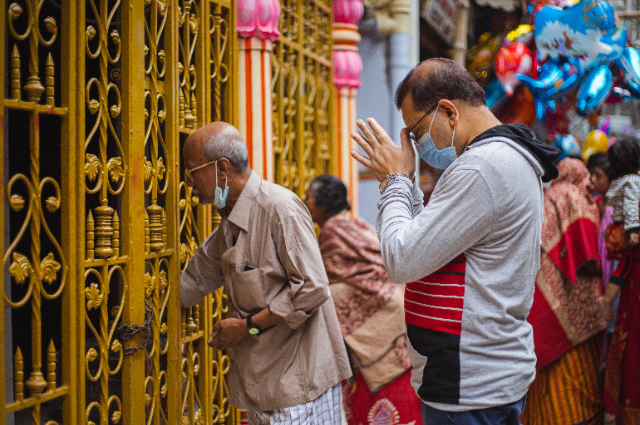
The Shri Ram Janmabhoomi Temple in Ayodhya is among modern India’s most significant religious projects. Built with contributions from millions of devotees, the temple stands as a potent symbol of faith, devotion, and cultural identity for many Hindus. Alongside this historic achievement, however, a series of controversies over donations and financial dealings has prompted serious questions about transparency and accountability.
While investigations in several cases are still ongoing and no final legal conclusions have been reached, these controversies have ignited a broader national debate on how donations to religious institutions should be handled and monitored.
The 2026 Donation-Mismanagement Allegations
In June 2026, media reports alleged significant irregularities in the handling of donations collected at the Ram Mandir. Officials reportedly began probing whether more than ₹200 crore in cash and valuables were diverted from official donation collections.
The controversy widened after investigators detected unusual financial activity tied to individuals involved in donation counting and management. Several employees on modest salaries were reported to have acquired expensive assets and properties that appeared disproportionate to their declared incomes.
The Uttar Pradesh government formed a Special Investigation Team (SIT) to examine the matter. Investigators questioned more than 140 temple staff, workers, and others connected to donation handling. Searches led to recoveries from some suspects, including cash, luxury vehicles, electronic devices, and other assets. Some reports said money had been hidden in unconventional locations to evade detection.
These probes are ongoing. Authorities are expected to establish whether systematic misappropriation took place, quantify any shortfall, and identify those responsible. At present, the allegations remain under investigation and have not produced final judicial findings.
The 2021 Land-Purchase Dispute
In 2021, the Trust managing the temple faced scrutiny over a land purchase in Ayodhya. Critics alleged that the Trust bought land for about ₹18.5 crore shortly after the same parcel had changed hands for roughly ₹2 crore, prompting questions about a rapid and steep price rise.
Opposition leaders demanded an independent inquiry, arguing that the dramatic change in valuation—particularly when public donations were involved—warranted explanation. The Shri Ram Janmabhoomi Teerth Kshetra Trust denied any wrongdoing, saying the purchase followed legal processes and reflected prevailing market conditions. The Trust maintained that negotiations had been ongoing and that the transaction was legitimate.
No court has conclusively found corruption in the deal. Nevertheless, the episode highlighted calls for greater transparency when public donations are used for major purchases.
Fake Donation and Prasad Scams
Some controversies stemmed not from the temple’s administration but from external fraudsters. Ahead of the temple’s consecration, cybercriminals and organised fraud networks reportedly exploited public enthusiasm by creating unauthorised websites and portals that falsely claimed official links to the Ram Mandir.
These bogus platforms solicited donations and personal information, promising official recognition, special blessings, or delivery of sacred prasad. Many devotees are reported to have fallen victim to these scams.
Religious leaders and official channels warned the public to donate only through verified platforms, and authorities were urged to act against site operators and fraud rings. These incidents underscore how large religious movements can attract organised digital scams, especially in the age of online giving.
Broader Questions: Accountability and Faith
The controversies surrounding the Ram Mandir go beyond a single institution. They raise broader questions about how India’s religious trusts manage vast inflows of cash, gold, and other offerings—often worth thousands of crores annually. Most donors give in good faith and expect their contributions to be used honestly and responsibly.
Advocates for stronger oversight call for measures such as regular independent audits, timely public disclosure of receipts and expenditures, and clear governance rules for trusts that handle public donations. Critics of immediate condemnation stress that allegations must be fairly investigated and proven before judgments are made.
Whatever the outcomes of individual probes, one principle stands out: transparency strengthens trust. Religious institutions draw their authority from public faith, and visible accountability mechanisms help preserve that trust.
The Shri Ram Janmabhoomi Temple remains a symbol of devotion for millions. Yet recent allegations about missing donations, disputed land transactions, and online frauds have fueled public concern. While several matters are still under investigation and others remain politically contested, these controversies underline the urgent need for clearer financial oversight of institutions that manage public donations.
For devotees, the issue transcends money: it is about trust. When people give in the name of faith, they expect honesty and responsible stewardship. Strengthening audit standards, improving public reporting, and enforcing legal safeguards can help protect both institutions and the faith of those who support them.
References: