
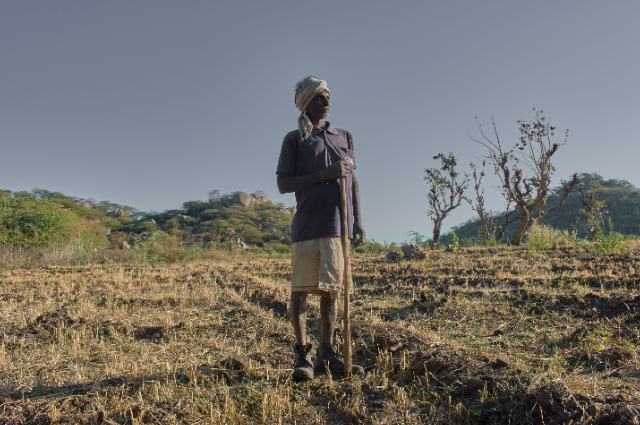
"A nation's future is not written only in trade agreements, but also in the calloused hands that cultivate its tomorrow."
A nation's strength is often measured by its soaring economy, ambitious trade agreements, and growing influence on the global stage. But somewhere beyond the conference tables and policy documents lies another measure of progress—the quiet faith of the farmer who wakes before dawn, sows seeds into uncertain soil, and hopes that tomorrow will be kinder than yesterday.
That faith has once again brought thousands of farmers to the gates of Delhi.
Under the banner of the "Desh Bachao Morcha," farmers from Punjab, Haryana, and several other states have returned to the national capital—not over farm laws this time, but over the proposed India–US trade deal. Their concern is not born out of resistance to change. It is born out of a question that deserves an answer: When the market opens to the world, will the smallest hands still find a place in it?
The farmers fear that cheaper agricultural imports from the United States could make survival even more difficult for India's small and marginal cultivators. Already battling rising input costs, unpredictable weather, shrinking profits, and market uncertainty, they wonder whether they can compete with large-scale, highly mechanised farming backed by greater resources.
Before many protesters could even reach Delhi, roads were barricaded, security was tightened, and a prominent farmer leader was detained by the Haryana Police. Once again, the journey to the nation's capital became more than a physical march—it became a reminder that the distance between policy and the people it affects can sometimes feel far greater than the miles on a highway.
The protest comes just a day after another major demonstration in Delhi, highlighting how the capital has once again become a stage for voices demanding to be heard. Though the causes differ, they reflect a common concern: the desire for meaningful dialogue before decisions reshape people's lives.
The government believes trade agreements will strengthen India's economy, deepen international partnerships, and expand opportunities in the global marketplace. That vision is not without merit. Every growing nation seeks progress. Yet progress should never be measured by economic indicators alone. It must also be measured by the confidence of those whose lives remain rooted in the soil.
The anxiety echoing through these protests is deeper than the fear of imports. It is the fear of becoming invisible in conversations that determine the future of Indian agriculture. It is the fear that the voices rising from villages may not reach the halls where policies are framed.
India has long called its farmers Annadata—the providers of nourishment. But respect is not preserved through titles alone. It is reflected in policies that ensure those who feed millions are not left struggling for their own survival.
As Delhi once again witnesses farmers gathering in protest, the debate extends far beyond a single trade agreement. It becomes a question of balance—between global ambition and local resilience, between economic growth and agricultural security.
Can a nation truly call itself prosperous if those who cultivate its fields begin to lose faith in the future they are helping to grow?
Because the greatest harvest a democracy can reap is not merely economic growth—it is the trust of its people.
References used: