
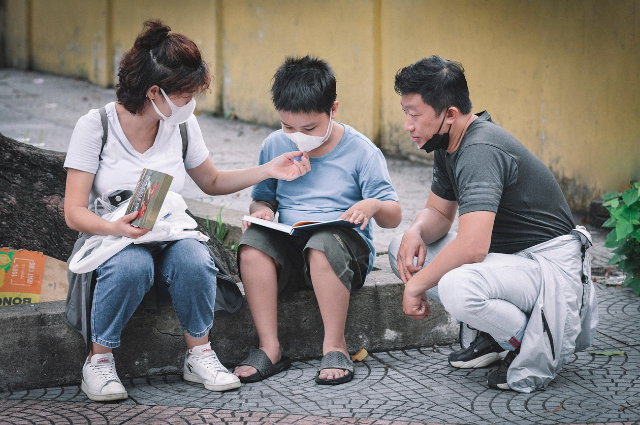
Imagine a weary student arriving home after a tough day at school and finding a warm, reassuring hug. In that moment, all the stress melts away, replaced by confidence and calm. This is the power of true love. When a young person knows they are genuinely cared for, whether by a parent, friend, teacher, or partner, their spirit is uplifted. Research confirms that such caring relationships build a foundation of security: “parents who provide consistent love and support create an environment where children feel safe to grow, learn, and thrive”. In this loving atmosphere, students develop higher self-esteem and resilience. In fact, broad reviews show that people with strong support networks from family, friends or partners suffer lower anxiety and stress. Put simply, feeling loved and valued gives students the emotional stability to overcome obstacles and focus on learning.
Family Bonds: A Safe Haven for Learning
In the warm glow of home, a child feels the embrace of a parent’s unconditional care. Family love becomes an anchor in a student’s life, giving them the courage to tackle challenges. When a child knows that a parent believes in them, their confidence blossoms. Children who feel loved by their parents grow up with a strong sense of security and self-worth, learning to manage stress and setbacks. Research shows that this translates into real academic gains: students with caring, involved parents tend to have better attendance and behaviour, higher grades, and stronger motivation. For example, one study found that when parents stay involved, students “have better attendance and behaviour, get better grades”, and adapt more easily to school challenges. In a loving home environment, a student can concentrate fully on learning rather than on anxieties. This emotional safety net, a ready hug or encouraging word at home, gives them the inner peace to study effectively. Over time, love at home helps reduce anxiety and instils the resilience needed to succeed academically.
Friends and Peers: Strength in Companionship
True love isn’t just in family; deep friendships also provide a powerful support system. In the classroom and campus, a caring circle of friends can feel like a second family. Research highlights the profound impact of peer support: positive relationships with classmates can directly boost academic achievement. In study groups or on the playground, friends who encourage each other create a safe space for learning. When peers work together toward common goals, students often absorb more and feel more confident participating in class. Indeed, studies show that teamwork and peer-assisted learning with friends improve outcomes, especially for students who are shy or struggle. Beyond academics, friendships give a sense of belonging and encouragement. Having buddies who say “you can do it” or celebrate successes can sustain a student through difficult periods. These uplifting relationships make school feel less lonely and more collaborative, so students are less likely to give up when work is hard. In this way, a network of true friends bolsters focus and motivation students know they have people who understand them and root for their success.
Mentors and Teachers: Guiding Lights
Supportive teachers and mentors are another form of true love that shapes student success. A caring teacher who listens, shows empathy and believes in a student can have a life-changing impact. Recent education research confirms this: when teachers offer emotional support, students gain confidence in their abilities. One study found that “teacher emotional support positively predicts academic self-efficacy, academic resilience, and learning engagement”. In plain terms, a teacher’s kindness helps a student think “I can do this,” which makes them more likely to participate and persist. In classrooms where students feel valued, even challenges become learning adventures. The same research shows that thoughtful encouragement by teachers boosts students’ academic self-belief and resilience. Under such mentorship, a struggling math problem feels conquerable. A student might face calculus doubts, but a kind teacher’s reassurance gives them the calm focus to try again. This one-on-one care, the extended hand of a mentor, often makes the difference between giving up and pushing forward. Empirical evidence backs it up: colleges where professors engage personally with students see higher levels of class engagement and success. In short, when a mentor or teacher loves and supports a student, they light the path to achievement.
Partners and Loved Ones: Love Beyond School
Even romantic or familial partners can be powerful sources of emotional strength for students. When a student shares life with a supportive boyfriend, girlfriend, spouse or partner, that love ripples into their studies. Imagine a college student stressed over exams; returning to a partner who listens with understanding can instantly ease tension. This is more than poetic; it’s documented by research on mature students. One qualitative study found that a partner’s encouragement had “the largest impact in terms of reducing stress and helping mature students focus on school.” Participants in that study described how hearing loved ones say “You can do this” or “You’ll do fine” soothed their anxiety. They reported that this simple emotional support “relieves some of the stress”, allowing them to tackle coursework with a clearer mind[12]. In practice, it means that a caring gesture, a partner taking on errands after a long exam week, or offering to proofread a paper, translates into better concentration and morale. The confidence a student gets from knowing their partner believes in them gives them extra energy to pursue goals. In short, in the private sphere of relationships, true love literally takes weight off young shoulders, making study feel possible even on the worst days.
Reducing Stress, Strengthening Focus
No matter its form, true love acts like medicine against stress. Scholars consistently find that people with stronger social support experience less depression and anxiety. For example, comprehensive reviews report that higher social support links to lower depression, anxiety, and stress. Every caring word, listening ear or hug helps students reframe challenges as temporary. When stress levels drop, focus improves. One student in a study said, after a friend or partner encouraged her, “Somebody will take care of it. That relieves some of the stress.” Freed from panic, the student could then return to her assignments with renewed clarity. In fact, neuroscience agrees: stress impairs concentration, so removing that burden through love helps memory and attention in class. Across studies of learners from preschoolers to college students, the pattern is clear: as emotional support rises, reported stress falls, and students can direct their minds fully toward learning. Thus, love literally sharpens mental focus and primes students for success.
Stories of Triumph
These principles play out in real life. Consider Savannah, a young woman who entered high school carrying the scars of childhood trauma. Her grades and attendance were suffering under anxiety. But with a team of supportive teachers and counsellors by her side, teachers who empathised, listened, and gave her tailored help, Savannah’s trajectory changed. “A bright and capable student, Savannah thrived academically with individualised instruction and steadily improved her behaviour,” one report notes. By senior year, she was excelling: no longer needing constant counselling check-ins, she completed her coursework alongside peers and even received an Academic Excellence Award. This personal success story underlines the message: caring, loving support can turn adversity into achievement. When students feel that kind of true love, their untapped potential can blossom.
In every school and home, then, true love proves to be a mighty source of strength. It supplies students with emotional stability, motivation, and peace of mind. Backed by love, they are more confident in trying hard tasks, more resilient in setbacks, and more focused on learning. Research data reinforce this heartening truth: youths whose families and schools partner together consistently see “better grades, higher test scores, and higher graduation rates”. Ultimately, the deepest lessons students learn may come not from textbooks, but from the love that lifts them. By nurturing those genuine bonds of love and support, we give every student a chance to shine to grow from a struggling learner into someone who truly believes, “I can do this.”