
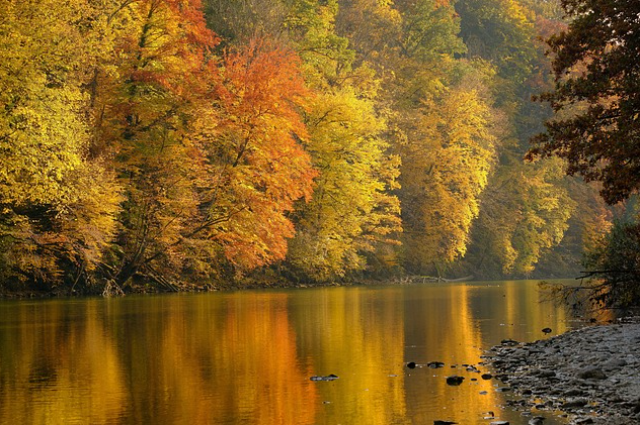
Image by Karl Egger from Pixabay
In the drought-prone region of Marathwada, rivers are not just geographical features; they are lifelines written into the memory of the soil. For decades, the Manjra River quietly supported over a hundred villages across parts of Beed district, nurturing crops, replenishing wells and forming the emotional core of rural life. But by 2014, what was once a flowing source of life had turned into cracked land, scattered plastic, and a forgotten waterway. Most people had accepted it as fate. One man, however, refused to.
Shivaji Ghadge, a government school teacher in a small Beed village, was not known as an environmentalist, activist, or reformer. He was simply a teacher who had spent over two decades shaping children’s minds in a modest classroom. But what his students didn’t know was that every time he looked outside the classroom window at the dry riverbed, he felt as if he was witnessing the slow death of his own childhood.
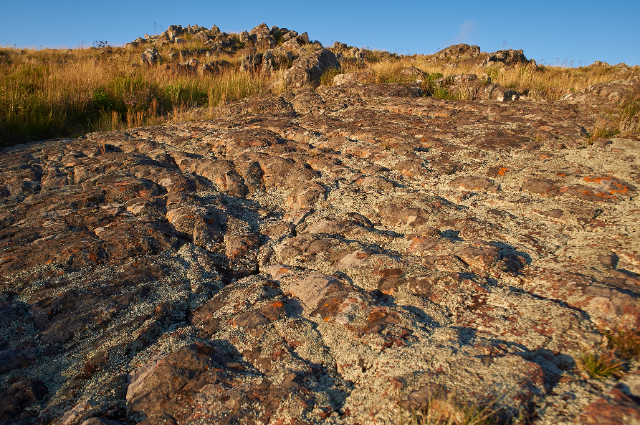
While most villagers spoke about the problem during tea conversations and political debates, Shivaji decided to act.
His first step did not begin with authorities, NGOs, or funding. It began with his students. He spoke to them not like a lecturer, but like a witness of change. He narrated stories of how the river once flowed. He explained how human actions, not just climate, were responsible for its decay. He took them on walks along the riverbed so that they could see reality instead of imagining it from textbooks. He wanted them to understand that environmental issues are not distant problems; they exist outside their own homes.

Soon, these children carried those stories to their families.
In mid-2015, Shivaji organised a small riverbed cleaning drive. He personally requested villagers, printed small notices and announced it through the temple microphone. The first day was disappointing. Only a handful of people arrived. Some mocked the idea. Some dismissed it as a waste of time. But he didn’t back down.
He cleaned along with them. Not for publicity, not for attention, but with silent persistence.
Over the next weeks, people slowly started noticing. The riverbed, once filled with garbage, started looking different. It looked respected again. More villagers joined. Children started participating. Women began telling others to stop dumping waste into the river path. What had once been treated as dead land began to be seen as something that deserved care.
However, Shivaji soon realised that cleaning alone would never bring the river back. The deeper problem lay in systematic destruction and poor water management.
He started researching water conservation techniques through articles, reports, and local NGOs. He connected with a Maharashtra-based water conservation organisation that worked on groundwater recharge and river restoration models. With their guidance, he began designing low-cost, local water retention structures using stone and soil available in the village.
Over the next three years, villagers constructed several recharge wells, small check dams and contour trenches around the river basin. Rainwater harvesting pits were created around farmlands and school areas. Instead of allowing rainwater to run off into drains, it was slowly redirected into natural storage systems.
The impact was not immediate, but it was consistent.
By 2018, groundwater levels, which had fallen beyond 300 feet in some areas, had risen significantly. Borewells that had been dry for years started showing water again. Farmers noticed that soil moisture lasted longer even during weak monsoon spells. The dependency on water tankers has reduced. Seasonal migration of labourers decreased as agriculture slowly revived.
And then came 2019.
After a substantial monsoon, a miracle unfolded. The first narrow stream of water started flowing through the Manjra’s dried channel. People initially didn’t believe what they were seeing. They stood for hours near its banks, watching something they thought had disappeared forever. The river did not return to its original glory, but it returned enough to remind people that it was alive.
Tears flowed that day. Not because water returned, but because hope returned.
Shivaji never called it his victory. He always referred to it as the river’s decision to forgive them.
Even today, he continues to live a simple life. He still teaches in the same government school. He still rides the same two-wheeler. He still walks along the riverbank every evening. His work has inspired several villages across Marathwada to adopt similar revival methods. His story has been noted in regional studies about grassroots water conservation.
Yet, he does not seek recognition.
He only believes that rivers die when people stop caring. And they live again when people start remembering.
In a world where environmental discussions have become limited to seminars and social media campaigns, his story stands as a quiet but powerful reminder that real change does not begin with policies alone. It begins when ordinary individuals refuse to normalise destruction.
The Manjra River is not completely healed. But it breathes. It moves. It flows in parts. And every drop of that water carries a message — restoration is possible, if responsibility returns.
And sometimes, it only takes one person to start the flow.