
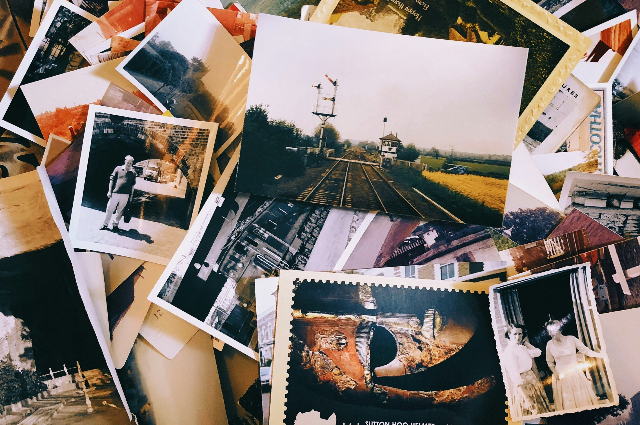
When the Past Becomes a Product
Memories define who we are. They shape our identity, influence our decisions, and give meaning to our emotions. Every joy, failure, relationship, and lesson is stored within the fragile yet powerful space of the human mind. But in a future driven by advanced technology and artificial intelligence, even memories may no longer remain personal. Imagine a world where memories can be recorded, copied, edited, and sold. In such a society, the past is no longer sacred—it becomes a commodity.
The Technology Behind Memory Trade
The concept of selling memories relies on breakthroughs in neuroscience, artificial intelligence, and data storage. Advanced neural implants and brain-computer interfaces make it possible to extract, digitise, and replay human experiences. These stored memories are converted into data, tagged with emotional markers, and uploaded to secure—or not so secure—databases.
Technology promises accuracy and realism, allowing buyers to relive experiences exactly as the original person felt them. A first love, a battlefield, a scientific discovery, or a childhood moment can be downloaded into another mind. What was once internal and intimate now becomes transferable, blurring the boundary between experience and simulation.
Why Would People Sell Their Memories?
In a future shaped by inequality and economic pressure, memories become a new source of income. The poor sell fragments of their lives to survive, while the wealthy buy experiences they never earned. A labourer sells memories of hardship, while elites collect them as entertainment or inspiration.
Others sell memories to escape pain. Traumatic experiences, grief, or regret can be erased and replaced with blank spaces. In a society obsessed with happiness, forgetting becomes as valuable as remembering. Memories for sale offer an illusion of control over emotional suffering.
Buying Experiences Without Living Them
For buyers, memories offer instant gratification. Why struggle to climb a mountain when you can purchase the memory of reaching the summit? Why fall in love when you can download the sensation without risk or vulnerability? Experiences become shortcuts, stripping life of effort and growth.
This raises a crucial question: if experiences are no longer lived, but consumed, does life lose its meaning? Struggle, failure, and patience are essential to human development. When memories replace lived reality, existence becomes shallow, reducing life to a collection of borrowed emotions.
Identity in a World of Shared Memories
Memories are deeply connected to identity. They shape personality, values, and behaviour. When foreign memories enter the mind, identity becomes fragmented. A person may no longer know which emotions are truly theirs and which are purchased.
As artificial memories mix with real ones, authenticity disappears. People begin to question their own past. Are their achievements genuine? Are their emotions real? In a world where memories are traded freely, the self becomes unstable, assembled from pieces of other lives.
Memories as Entertainment in the Future Market
In a world where memories are for sale, entertainment undergoes a radical transformation. Movies, books, and virtual reality experiences feel dull compared to the intensity of real human memories. People begin to consume memories the way earlier generations consumed films—binging on emotions, danger, romance, and tragedy. This constant exposure to extreme experiences dulls emotional sensitivity, making ordinary life feel meaningless and slow.
The Black Market for Forbidden Memories
Not all memories are legal to sell. War crimes, confidential meetings, and classified research are banned from the open market. However, a thriving black market emerges where forbidden memories are traded secretly. These memories hold immense power, capable of destroying governments or rewriting history. In such a world, truth becomes a dangerous possession, and memory smugglers become the most feared criminals.
Addiction to Borrowed Lives
Memory consumption can become addictive. People begin to prefer borrowed emotions over their own dull realities. Instead of improving their lives, they escape into memories of courage, success, or love experienced by others. This addiction creates a passive society—one that feels deeply but acts very little. Living becomes optional when remembering is easier.
Cultural Memory and the Loss of Collective History
When personal memories are sold and altered, collective memory also suffers. History becomes fragmented, edited, and commercialised. Cultural trauma, struggles, and victories are repackaged for profit, stripped of context and meaning. Societies that forget their shared past lose direction, repeating the same mistakes because genuine memory has been replaced by curated versions of history.
Love and Relationships in a Memory Economy
In a world where memories can be bought, relationships face a crisis. Why invest time and effort in love when perfect romantic memories are available instantly? Genuine relationships become rare and risky. Trust erodes when partners can compare real emotions with idealised memories. Love, once built through shared experiences, struggles to survive in a market that sells perfection.
Legal Challenges in a World of Memory Trade
Laws struggle to keep up with memory technology. Courts must decide whether memories can be used as evidence, and if altered memories can be trusted. Criminals may erase guilt, while witnesses may unknowingly recall implanted experiences. Justice becomes uncertain in a world where memory—once considered reliable—is easily manipulated.
The Quiet Cost of Forgetting
Perhaps the greatest loss in a world of memory trade is the quiet erosion of wisdom. Painful memories teach patience, empathy, and strength. By selling or deleting them, society sacrifices emotional depth for comfort. Over time, humanity becomes less resilient, less compassionate, and less capable of understanding suffering—its own and that of others.
Remembering as an Act of Humanity
In the end, memories are not meant to be flawless or profitable. They are meant to be lived, felt, and carried forward. In a future where memories are for sale, choosing to remember—to hold on to joy, pain, and truth—becomes an act of humanity. It is through memory that people remain real in an increasingly artificial world.
Ethical Dilemmas and Moral Boundaries
The sale of memories introduces serious ethical challenges. Who owns a memory—the person who lived it or the company that stores it? Can consent be permanent when memories involve other people who never agreed to be shared? A single memory may expose countless private lives.
There is also the risk of manipulation. Edited memories can rewrite history, erase guilt, or implant false emotions. Governments and corporations may use memory technology to control narratives, suppress dissent, or manufacture loyalty. When memories can be altered, truth itself becomes negotiable.
Emotional Consequences of Memory Loss
Selling memories may offer temporary relief, but it comes at a cost. Forgetting pain also means forgetting growth. Memories of failure teach resilience, while memories of loss deepen empathy. Removing them creates emotional emptiness.
People who sell their happiest memories suffer too. Joy cannot be recreated once erased. Over time, individuals become hollow, disconnected from their own past. A society that trades memories risks becoming emotionally numb, unable to form deep connections or learn from history.
Children and the Inheritance of Memories
In a future marketplace, parents may buy memories for their children—success, confidence, or happiness—hoping to give them an advantage. But artificially implanted memories deprive children of genuine learning. Mistakes, curiosity, and self-discovery are replaced by pre-packaged experiences.
This creates a generation that remembers achievements they never earned and lessons they never lived. Growth becomes artificial, and humanity risks losing its most important trait—the ability to evolve through experience.
Resistance and the Value of Remembering
Despite the popularity of memory trade, some individuals resist. They believe memories should remain imperfect, painful, and personal. For them, remembering is an act of resistance. In a world where memories are sold, protecting one’s past becomes a revolutionary choice.
These individuals preserve unedited memories, embracing pain as part of being human. They understand that memory is not just data, but meaning. Without memory, history disappears, and without history, society repeats its mistakes.
Conclusion: Are Memories Priceless or Just Expensive?
“Memories for Sale” forces us to confront a disturbing future where the most human aspect of existence is reduced to a transaction. Technology promises convenience, happiness, and control, but at the cost of authenticity and identity. When memories become products, humanity risks forgetting what it truly means to live.
The future will test whether we value comfort over consciousness, and pleasure over purpose. Memories are not just experiences—they are lessons, connections, and truths. If we sell them, we may gain momentary escape, but we lose the very essence of being human.