
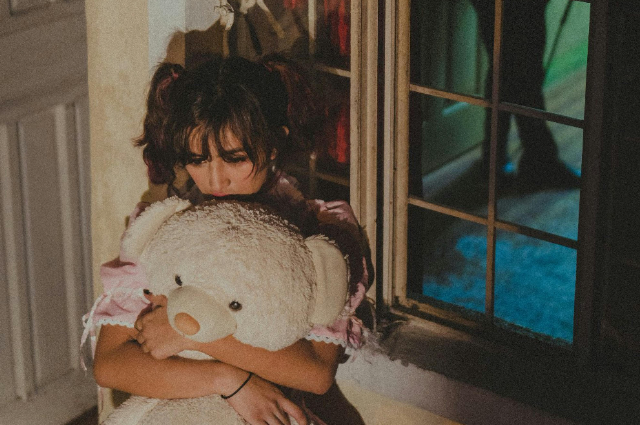
A Place That Was Supposed to Be Safe
A roof in Muzaffarpur, Bihar, housed a shelter meant for girls without families. Nothing typical about it - just walls that promised refuge. Children brought here had nowhere else to go. Some arrived after escaping harsh lives. The idea? Warm meals, rest, and protection within those rooms.
Facing a wall of silence, courts and government leaders placed the girls there, certain they’d be protected. Safety, however, never arrived.
Inside those walls, from 2015 to 2018, something unfolded that left India shaken - so raw, even now, words catch in throats. The Muzaffarpur shelter home case isn’t just a memory; it’s a quiet warning, laid bare here plainly, because forgetting would mean failing them all over again.
When the State Turned Dangerous
A small group of people started Sewa Sankalp Evam Vikas Samiti, running the shelter home. This man, Brajesh Thakur, shaped its work from the start.
A man named Brajesh Thakuk - more than an ordinary offender. Running a Hindi paper titled Pratah Kamal made him stand out. Politics came earlier, though. Two runs for office happened, one in 1995, another in 2000. The party behind those attempts? The Bihar People's Party. Victories never arrived.
Even after election losses, he kept moving. Links formed slowly, quietly. Through these ties, deals came his way. By 2013, a shelter home in Muzaffarpur - funded by the state - was handed to his NGO.
Outside, things looked just fine. There it sat, a structure no different from the rest run by officials. Young women stayed inside, took meals, and rested their heads each evening. Authority figures showed up now and then. Documents got approved. Funds moved through channels. Yet no one ever wondered aloud - what shifts when darkness comes? Is joy present among them? Can fear be seen in their eyes?
Years passed without a single question.
How Institutional Care Turned Into a Crime Scene
Behind those walls, something unthinkable was happening. The girls, some as young as 7 years old, were being sexually abused. Repeatedly. Systematically. By the very people meant to protect them.
Later, when doctors examined the children, the truth came out in the worst way possible. Out of 42 girls living there, medical tests confirmed sexual assault on 34. Thirty-four. That's not a few bad apples. That's a system rotten to its core.
The girls later described horrible things. One victim would tell investigators about a murder: "Brijesh killed one girl and put her in a tank... he killed her by stepping on her neck... after the death, Meenu Aunty had her thrown into a gunny bag. I saw through a window. If someone asked, it was told that a dog had died."
In their statements, the girls mentioned names that would later become famous. They talked about "Hunter Uncle" (Brajesh Thakur, who drove a Hunter vehicle). They talked about a "moustache uncle" and a "belly uncle." The "moustache uncle" and "belly uncle" references pointed toward powerful people, including the husband of a state minister. Political connections ran deep in this case.
According to reports that emerged later, the shelter home became a destination. Politicians, officials, and powerful men would visit. At night. For parties. And the girls weren't guests. They were victims. One report chillingly stated: "It is being said that in these gatherings, the helpless girls of the shelter home were raped."
Who Watches the Watchers?
What brought this nightmare into view at last?
That year, a team at the Tata Institute of Social Sciences began reaching out. Heading it was Mohammed Tarique, focused on gathering data from private shelters. One conversation started with an official in Bihar, Atul Prasad. Instead of agreeing right away, he offered another idea altogether. Why not look into state-run homes as well? His point reshaped the plan entirely.
One winter morning, a group from TISS started checking shelters in Bihar - 110 in total. At fifteen, something felt deeply wrong right away. Kids spoke of being pushed around. Some told stories that shook the staff to silence. Fear wasn’t just present - it shaped daily life there. By February of 2018, pages had stacked up into a full account. That document reached officials two months later.
This time, the machinery jammed once more. Pages stacked up, untouched at first. Leaks began trickling out, catching officials off guard. Still, no official complaint sparked right away. Only after thirty days did action arrive - on May 31, 2018 - a case clicked into place, naming Brajesh Thakur alongside eleven linked figures.
A single month. Count the evenings lost within it. While forms crawled through offices, harm grew - night after night.
Something shifted after the case got filed. Talking began - this time it was different. The investigators listened slowly. One girl spoke up. Then another. Safety showed itself in small moments. Truths came out about the pain they had kept inside. What followed were accounts of violence. And what sex can do when twisted by force. Punishment awaited those who spoke up. Others simply vanished, gone without a trace. At Patna Medical College Hospital, doctors looked closely at the girls. Their findings came clear - thirty-four among forty-two carried signs of sexual violence.
Why did the girls stay quiet?
To grasp how such terror lasted so long, picture the people inside that shelter. Who they were made all the difference.
Some of these girls grew up without mothers or fathers. Taken from places where harm was routine. From households too broke to stand up and speak. Living with bodies that struggled, minds that worked differently. Left alone, every single one. Just kids, left on their own. Relatives who never showed up. Pockets empty when it mattered most. Words that vanished before reaching any ears.
Fear clung to the girls like shadows. Complaining brought punishment - every time. Telling someone meant the word reached their abusers, somehow. Control sat tight in adult hands at the shelter: meals, water, rest, even movement. Everything bent to their rules. A voice from among the survivors told of a young girl with learning difficulties who died. They turned on one another, driven by threats - “Fail to kill her, then your life ends.” What happens when kids witness killing? Silence takes root. Death taught them to stay quiet.
Not your average man, Brajesh Thakuk held ties that mattered. Despite a tiny readership, his paper still landed state ads. Funding flowed to his nonprofit, too. Ministers took his calls. Bureaucrats recognised his name. Back in 2018, when Minister Manju Verma stepped down, the reason went beyond the shelter home scandal. Her spouse was caught in a weapons-related charge at the same time. The shelter situation made things worse. His name surfaced when people started asking about the shelter house.
Months passed before the CBI cleared Manju Verma and her spouse. Still, phone logs revealed over 17 conversations between her husband and Brajesh Thakur from January through May 2018. Despite this, probes indicated the agency set aside clues pointing toward influential figures.
The Trial and Its Outcome
News spread fast across the country. On August 2, 2018, the Supreme Court of India stepped in by itself - no request needed.
Something strange happened in court. From Muzaffarpur, the case moved to Saket in Delhi instead. Political tension filled the air back there. Pressure on witnesses became a real concern. Fairness looked unlikely if things stayed put. Six months - that is how long they now have to finish everything. Not one day more was mentioned by the judges.
Meeting the deadline, the court started proceedings in February 2019. Come January 20, 2020, a decision came out of the Saket courtroom. Convicted: Brajesh Thakur, along with 18 co-accused. During the process, one defendant passed away, wiping his case off the record. Time ran ahead without waiting.
Fifty days into winter that year, judgment arrived. Life behind bars was handed to Brajesh Thakur - not just for plotting crime but also for intentional harm, pushing others toward wrongdoing, staying silent when a child suffered, and acts of harshness spelt out in juvenile law.
Among those found guilty were Shaista Praveen, Indu Kumari, Minu Devi, Manju Devi, Chanda Devi, Neha Kumari, Hema Masih, Kiran Kumari, Dillip Kumar Verma, Ravi Roshan, Vikas Kumar, Vijay Kumar Tiwari, Rama Shankar Singh, Ashwani, Guddu Patel, Kishan Kumar, and Ramanuj Thakur. Not every one of them carried out abuse on themselves. Some helped plan it. Others looked away when they saw what was unfolding right in front of them.
A single ruling stretched across 1,546 pages. Evidence piled up, witnesses spoke at length, and unspeakable moments were recorded one after another. How long does it take to write down everything no one could forget?
Still behind bars, Brajesh Thakur kept fighting. Up to the Delhi High Court went his plea. What did he say then? The case lacked a so-called "potency test," something he insisted was needed to link him to rape. Believe it or not. That stood as his shield. Legal gaps placed ahead of the young victims’ pain.
Compensation and Where the Girls Are Now
On January 25, 2022, the National Human Rights Commission (NHRC) announced that the Bihar government had paid compensation to 49 survivor girls.
Each girl received between Rs 3 lakh and Rs 9 lakh. The money wasn't given in cash. It was deposited in bank accounts or fixed deposits in the girls' names. This
protected the funds, especially since most girls were minors and couldn't manage large sums themselves.
The honest answer about where they are now is complicated. Some girls are doing better. Some have returned to their families. Some have gotten married. But money doesn't erase trauma. The girls need long-term counselling. They need emotional support. They need help with education and finding safe futures.
The Supreme Court and NHRC continue to monitor their rehabilitation. In one order, the Supreme Court permitted TISS to continue interacting with victims for rehabilitation purposes. This matters because rehabilitation isn't a one-time event. It's a long process.
In July 2023, CBI registered a fresh FIR. A physically and mentally disabled girl, who was supposedly reunited with her parents in 2015 based on forged documents, is still missing. The documents were fake. The "father" who claimed her didn't exist. The local chief who identified them was imaginary. Even after the main case concluded, new horrors keep emerging. One girl disappeared into thin air, her paperwork a lie.
What 2.4 Lakh Pending Cases Mean
Sometimes people say, "There are 2.43 lakh pending POCSO cases." That number is often misunderstood.
This refers to the general backlog of cases in Indian courts, not just this one case. According to analyses, subordinate courts in India had over 2.1 crore cases pending as of 2016. The number has only grown since. High Courts add another 40 lakh. POCSO cases are a fraction of this total, but even that fraction runs into lakhs. Each pending case represents a child waiting for justice. Each delay means another night of fear, another day of uncertainty.
In the Muzaffarpur case specifically, the trial is finished. Only appeals and follow-up monitoring continue. The Muzaffarpur case shows what's possible when the system works. Supreme Court monitoring. Strict deadlines. Media attention. Civil society pressure. All combined to deliver justice in less than two years from registration to conviction. But this should be the rule, not the exception. Every child deserves the same urgency.
When Verdicts End but Wounds Don't
The Muzaffarpur shelter home case ended in court. The guilty are in jail. The girls got compensation. The building where horrors happened has been demolished.
But the wounds don't close that easily.
This case taught India painful lessons. A government-funded shelter, meant to protect the most vulnerable children, became a crime scene because adults failed. Because systems failed. Because powerful people protected each other instead of protecting children. The girls were never at fault. They were children. They were poor. They had no voice. For years, nobody listened. When someone finally did listen, justice came. Slowly. Painfully. But it came. The question now is: Will we remember? Will we ensure no shelter home ever becomes a hunting ground again? Will we watch the watchers? The answers depend on all of us.
References:
- https://en.wikipedia.org
- https://www.indiatoday.in
- http://www.cbi.gov.in
- http://www.cbi.gov.in
- https://nhrc.nic.in
- https://legal.economictimes.indiatimes.c
- https://www.livelaw.in
- https://delhihighcourt.nic.in
- https://en.wikipedia.org
- https://www.aajtak.in