
A Case That Made the Country Stop
Back in March 2026, India made a quiet yet significant choice with Harish Rana v. Union of India. Unlike dramatic courtroom battles or public outcry, the case centred on one central question: what dignity remains when the body fails but the voice insists on being heard? This wasn't about crime or speeches but the right to choose in the face of profound pain and brokenness.
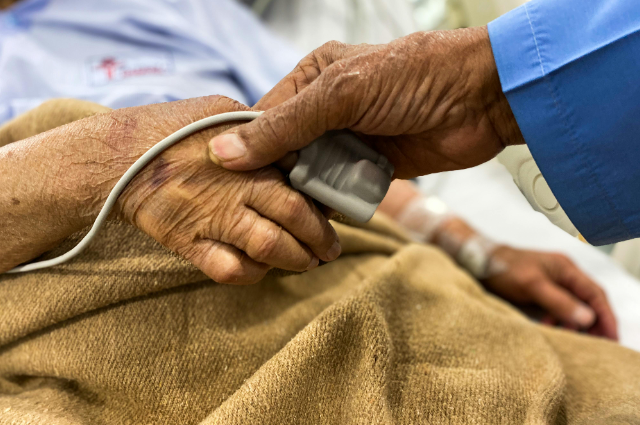
Frozen in time, Harish Rana breathed without waking. Thirteen years passed like shadows on a wall - silent, unmoving. Alive, yet far from life as others knew it. Machines hummed where thoughts should have been. No spark returned, not once, not ever. Each day brought nothing new, only repetition dressed as routine. Hope clung tightly at first, then frayed slowly under endless waiting. The family stayed caught - a breath held too long. Movement stopped inside while clocks kept ticking outside.
In the end, his mother and father turned to the highest court seeking not just an end, but recognition that dignity in life—and in its end—mattered most. Their primary argument: respect for their son's right to a dignified existence, even when hope was gone.
The Court's Move Was Subtle Yet Monumental
That Tuesday in early spring, India's highest court gave permission to stop medical care for Harish Rana. Machines feeding his body nutrients and water were part of what would be switched off. Life support, the kind that runs through tubes and wires, could now be removed. The decision came after days of quiet deliberation behind closed doors. What remained was a body kept breathing by machines, soon to run its course.
A ruling like this had never happened before. Only now did the highest court allow someone to stop treatment through quiet consent in one clear situation. Back then, the rules said yes - on paper. Life out here is played by different notes. This moment marked a shift - no longer just ideas, now steps followed. The judges not only spoke of rules but also began to walk them.
One moment stood out when the judges spoke up during the sessions. They carried the burden of what was at stake, clear in their voices. A pause came. Then a question slipped through - soft but heavy - "Do we really get to pick if someone stays alive?" A situation like this never fits neatly into law books. Instead, it lives in the quiet weight of choice.
What Is Passive Euthanasia? Explained Simply
What makes this situation important ties back to grasping the idea of passive euthanasia. Yet before that can sink in, one must see how it differs from other forms. For now, though, just knowing the term helps clarify things a bit more than before.
Banned outright in India, active euthanasia involves steps like delivering a deadly shot - ending life on purpose. The legal system draws a firm line here, treating that act as distinct from other choices. Directly bringing about death isn’t permitted under current rules.
A person slips away when machines are turned off, if healing isn’t possible. What remains is quiet, not struggle. Begins with relief, not conclusion. Continues because pain deserves a choice, not pressure.
Year by year, court rulings in India shaped this concept bit by bit. From one judgment to the next, it took form without rushing. Slowly, legal minds helped it grow through their choices. Over time, each case added something quiet but clear. Not fast, not loud - just steady movement forward.
Law changes leading up to this case.
Started elsewhere, that path skipped Harish Rana completely. A hospital worker named Aruna Shanbaug lay unresponsive for years, long before judges weighed in during 2011. Though they opened the door to quiet endings through withheld treatment - only if rules were tightly followed - they left her situation unchanged.
That year, the Court pushed ahead with its ruling in Common Cause. Dignity at death became tied to life itself, according to constitutional rights. A person might now leave a living will behind instead, setting choices early. Decisions about care could be spelt out long before they are needed.
That year, changes came quietly through the Court. Easing how living wills work became a small but real shift. Life support steps got clearer, too - no more tangled rules slowing things down. Still, despite such progress, not one instance led the Court to permit stopping treatment. This one's different because of what happened with Harish Rana. A chance on paper became something real people felt every day.
The Complicated Steps Behind a Single Choice
Finding quick approval under Indian law? Not likely. Tough rules block simple outcomes. A decision to stop life support needs a careful process. Doctors in charge first need to reach a common ground. Following that, a panel of physicians evaluates the situation closely. Another group, just as thorough, repeats the assessment. Every member checks the patient’s state with full attention.
Ahead of approval, one more step happens - a physician picked by the official steps in. Stopping harm before it happens - that’s what this system focuses on. Only after deep review can such a decision move forward. Still, that slowness creeps in, making each step feel like wading through mud. When hearts are heavy, another weight settles in. Families facing sorrow feel it press harder now.
A Family Waits Years
Finding justice took a long time for Harish Rana's relatives. Years passed before any answers came their way. One dozen years plus one - more than a count on fingers. Each stretch of time held breaths watched, dreams waited for, clarity creeping in: healing might stay out of reach.
A high cost shows up not just in money lost, but in sleepless nights, in the slow drain of hope. What stays hidden is the ache of watching someone fade without grace. Silence often covers what hurts most. Facing the bench, the parents didn’t seek shortcuts. Their plea aimed at stopping the pain that had stretched too long. Later that day, the judges gave their nod.
Karnataka Moves First
Earlier, tiny shifts had already begun showing up now and then. January 2025 brought a new move from Karnataka’s leaders, opening space for very sick people to pick how they leave life - if rules are met. Never before had one of India’s states turned that concept into something real on the ground.
This change followed long pressure from advocates saying people near death deserve relief. What pushed it forward was repeated stories of pain without purpose. Slowly, resistance gave way under the weight of compassion. Moments like these do not arrive easily. They come only after many voices rise together. A ruling under Harish Rana has quietly boosted these initiatives. While momentum builds, earlier attempts often stalled without clear backing. This proves the concept works not just on paper, but also holds up when tested.
India and the world are taking another path.
Over in Europe, the Netherlands was among the first to lay down rules about ending life peacefully. Belgium followed, building a framework just as precise. Canada took its time, then put strict guidelines into place. Spain later joined, shaping laws that leave little room for doubt.
Facing east instead, India carved its own trail. Mostly, court rulings have shaped the system rather than acts passed by Parliament. Because of that, clarity often slips through the cracks, leaving confusion in its place. Achieving balance within the system often depends on background knowledge and access to tools. Yet when living far from cities or with little support, stumbling blocks pile up fast.
A space opens up when promises written down don’t match what actually happens. People might be told they’re free, yet still find doors closed. What's printed means little if it doesn’t work on the street. Laws can look strong while daily experience tells another story. The law says one thing - life often replies differently.
The Unresolved Ethical Issue
Still, the arguments won’t fade just because of this ruling. Life, they say, should never be given up on. For fear creeps in when treatments can stop - what if someone pushes too hard on those who cannot fight back? Mistakes might hide behind choices. Pressure wears many masks, especially near the weak. Letting go feels risky to them. Decisions like these open doors that some wish stayed shut.
Some say keeping a person breathing against their will strips away what makes life worth honouring. Life without choice might just be existence, not dignity. A person once whispered how dignity matters just like breathing does. Life feels hollow without it, some claim. This argument isn’t finished because of Harish Rana. Still, his story makes the issue harder to ignore. Because it pushes people to reflect instead of simply respond.
What This Case Actually Changes
This ruling mattered less for its permission than for its revelation. The court made clear it can step into messy parts of life. Questions once left unsaid now get heard. Hard choices sit at the table, not just rules. This moment proves law doesn’t look away when things get complicated. A person's life matters - dignity stays part of that, right up to the very last moment. Beyond anything else, each courtroom moment whispers personal truths too deep to dismiss.
A Final Thought
The story of Harish Rana isn’t a choice between life and death. Medicine can only do so much - that truth sits heavy when pain lingers long. Suffering isn’t just felt in the body; it shapes how days are lived. Dignity often matters more than answers found in textbooks.
What if it’s not about asking more? A quiet moment of clarity strikes. Could one single thing matter most instead? What counts as safeguarding life when everything feels numb and empty? Sometimes meaning slips away, leaving only questions behind. Hard to say what fits best. Thirteen years passed before a courtroom ruling finally brought quiet relief to one household. What mattered most was not wrapping things up, but finding calm at last. Maybe that's the true heart of fairness. Justice could live right there.
. . .
References:
- The Indian Express- How the Supreme Court allowed passive euthanasia for Harish Rana https://indianexpress.com : Provides a detailed legal explanation of the judgment and why it is considered the first real application of passive euthanasia in India.
- Drishti IAS - Supreme Court Permits Passive Euthanasia in Harish Rana Case https://www.drishtiias.com : Explains key facts of the case, including the role of medical boards and the concept of “right to die with dignity.”
- NDTV - Supreme Court Passive Euthanasia for Ghaziabad Man https://www.ndtv.com : Reports on the family’s plea, 13-year vegetative state, and court approval of life support withdrawal.
- Onmanorama- Harish Rana: Passive euthanasia explained and next steps https://www.onmanorama.com : Clarifies the difference between passive and active euthanasia and explains how the process works medically and legally.
- Wikipedia (Case Overview)- Harish Rana v. Union of India (2026) https://en.wikipedia.org : Provides a structured summary of the case, including judges, legal basis, and its importance as India’s first implemented passive euthanasia ruling.