
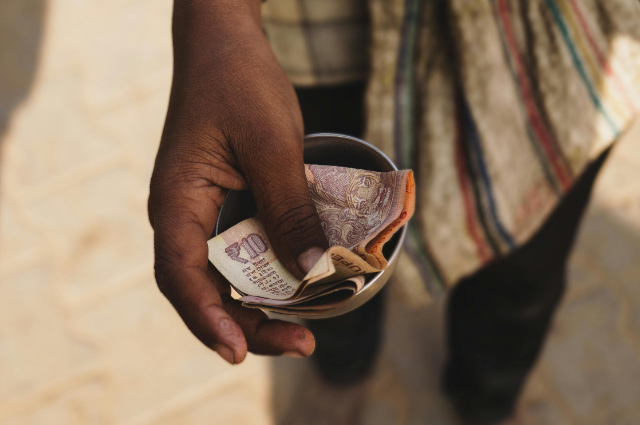
A Quiet Choice Inside Every Household
Folks living in countryside spots of India usually find cash tight. Each cost gets watched close, daily survival sometimes hanging by a thread. Even so, fresh numbers show something odd happens: schooling grabs just around two and a half percent of what these homes spend altogether, while cigarettes and chewable nicotine mixes take up closer to four percent - gutka making up a big slice.
This data comes straight from the government's latest survey on household spending, covering 2023 to 2024. Since it records actual purchases, not guesses or views, the figures show what people really do with their money. Millions of homes took part, so patterns emerge clearly. What you see isn’t theory - its daily life captured through receipts, bills, and choices.
That gap between 2.5% and 4%, tiny as it looks, carries weight when money barely stretches. When every dollar is already promised, slight changes ripple through everything else. It isn’t only about what gets bought; something quieter shows up. Comfort now pulls against stability later, tugging at the edges of how choices are made.
Gutka Use Spreads Quickly
A jump in gutka use has swept through villages across India. Little by little, what once happened now and then turned into something people do every day. More homes out in the countryside now have someone using it. In some areas, this habit fits right into how folks live, almost like brushing teeth or drinking tea.
Nowadays across parts of central India like Madhya Pradesh and Uttar Pradesh, many homes say they use tobacco often. Not just any kind - gutka takes up most of what people spend on tobacco out in villages. This particular form has become the top choice by far.
Something made this spread fast. Priced low, slipped into pockets without trouble, found almost everywhere even when rules try to block it. Needs no budgeting, no big decisions. Just a tiny pouch, worth pennies, slides right into life - common among those burning energy through long labour shifts.
Over time, small costs add up in ways that surprise most people. It's not any single purchase that matters - it's doing it again tomorrow, next week, year after year.
The Cost of Many Tiny Purchases Over Time
Spending just ₹5 or ₹10 daily on gutka might not sting at first glance. Yet that small cost adds up fast when stretched across months. Over time, those tiny payments grow into something much heavier than expected. What feels harmless today shows its true weight tomorrow.
Spending just ten rupees every day means hitting three hundred in a month, then going past thirty-five hundred after twelve months. That kind of total matters when money is tight. Imagine what school supplies could be bought - maybe reading material, clothing for class, getting to lessons, help outside regular hours. Rural families living on little might spend that sum on things like these without blinking.
Picture that happening in countless homes. That habit pulls money from things that could grow value. This isn’t just spending too much on junk. It’s missing chances - what people can’t do since cash flows somewhere else.
Why the Poorest Carry the Greatest Weight
Spending on tobacco hits some harder than others. Households with less money spend more of what they earn on it, numbers confirm. Rural Indian families at the bottom economically often use tobacco daily. Over four out of five do so in certain regions.
Out of balance things go when money gets tight at home. Those stretched thinnest often spend more on stuff they do not truly need. Because of this, school costs, better food, medical care - these slip further out of reach. Tough choices stack up where there is little room to move.
Beyond simple money troubles, consider the immediate impact of redirection: if a family reallocated their tobacco spending toward groceries, research shows kids might get enough to eat. Suddenly, the choice feels heavier. That cash keeping an addiction alive might also feed a young body and mind.
The Role of Work Stress and Daily Survival
Looking closer at this problem means setting aside quick conclusions. Choosing not gutka isn’t just personal - working life pushes people one way or another. Social pressures bend decisions more than we admit.
Heavy lifting fills most days for countless workers, often in tough environments. Meals might come late, if at all. Under these circumstances, gutka plays several roles. When exhaustion sets in, it offers brief energy. Hunger fades a little. A short mental pause arrives mid-shift.
What sticks around isn’t always noticed. Smoking slips into chats between friends, passes hand to hand at gatherings, even shows up in long-held customs. Slowly, doing it becomes routine - less something chosen, more just part of how things are done. The longer it blends in, the less anyone thinks to challenge it.
Folks stick with it despite knowing the downsides - money worries pile up, bodies wear down, yet everyone around seems fine with it.
Rules That Don’t Stop Bad Actions
Gutka still shows up in shops even though people know it harms health. Banned formally in several states more than ten years back, makers didn’t slow down. Splitting ingredients into separate packets - one holding pan masala, the other carrying tobacco - they found a way around the rules without much trouble.
This practice is known by many, but efforts to act on it stay limited. Even so, seeing these items still sold shows how plans often fail when put into real-world settings.
So long as getting it stays cheap and simple, people probably won’t cut back much. Rules that aren’t backed by real consequences rarely shift how folks act.
Health and economic impacts together
Spending on tobacco adds up fast, yet its real cost shows later. Disease follows smoke - cancers grow, hearts weaken, lungs struggle. Each year in India, about 13 lakh people die because of these sicknesses. Smoke doesn’t stop at money; it takes lives too.
Heavy health effects hit wallets hard too. Doctor visits, missed jobs, fewer hours worked - all pile up stress on families barely getting by. Research actually reveals tax money from tobacco doesn’t come close to covering its true price on society.
A loop forms when cutting home earnings ties directly to rising costs ahead, dragging households further into money troubles.
The Overlooked Need to Fund Schools
A child who learns well today might earn more tomorrow. Skills grow stronger when schools support them, opening doors that once seemed locked. Better pay often follows study, especially when chances multiply. Moving past hardship becomes possible through knowledge carefully built.
Still, if money goes more to things people don’t need than to schools, consequences build up over time. Kids might leave class too soon, find it hard to learn well, or skip chances that help them move forward.
A fraction of what gets spent on tobacco, if moved into schools, might change quite a lot. Slowly, that kind of move tends to lift personal chances along with community strength and financial health.
Change Needs More Than Just Knowing
Most folks know tobacco harms health - still, they light up anyway. Information alone doesn’t shift habits; that’s clear. What you do ties closely to routine, surroundings, pressure right now. Awareness sits far from actual choices, often. Knowing isn’t enough when cravings pull hard.
So much depends on how life actually feels each day. Fixing things can’t just rely on spreading information. Work hours weigh heavily, pressure builds quietly, outside pressures shape choices. Real change means stepping into those worn-out shoes.
Facing ahead, schools should do more to teach money decisions and thinking far into the future. One step at a time, households begin to notice how daily spending shapes what comes later.
A Change in How You See Things
What matters most isn’t only cutting down on smoking. It’s shifting how individuals see their time and choices. Folks living on tight budgets still decide where each dollar goes. Over weeks, those small picks begin steering what happens next.
Funding quick fixes brings fast relief - yet stalls long-term progress. Pouring resources into learning might stay invisible at first, still it shapes durable transformation. Finding this contrast matters when tackling the issue.
What people buy tells a story beyond spending habits. Facing limits, families make quiet choices that show what matters most. Spending more on cigarettes than schools? That shows how hard it is to choose short wants over long-term plans.
What really matters isn’t just quitting gutka. It’s whether households might start noticing how shifting even tiny bits of spending could help later on.
A rupee spent isn’t just money changing hands. That small shift pushes a family ahead - or pulls it back. Little shifts pile up, steering how everything unfolds. Eventually, tiny steps shape where things go.
References
Government of India – Ministry of Statistics and Programme Implementation
- Household Consumption Expenditure Survey (HCES) 2023–24: Download Official Survey Report
- This is the primary source of all consumption data, including spending on tobacco and education: (Statistical Ministry)
National Sample Survey Office (NSS)
- HCES 2023–24 Dataset & Documentation: Access Survey Data Portal
- Provides raw and structured data on household consumption across India: (Microdata)
Drishti IAS
- Household Consumption Expenditure Survey 2023–24 Analysis: Read Explained Analysis
- Explains how the survey reflects living standards and spending behavior. (Drishti IAS)
Insights IAS
- HCES 2023–24 Key Findings and Methodology: View Summary and Key Insights
- Details survey coverage, sample size, and how consumption trends are measured. (Insights IAS)
Economic Advisory Council to the Prime Minister (EAC-PM)
- Rise in Tobacco Consumption and Policy Implications: Read Full Report
- Highlights increase in tobacco spending and growth in consuming households. (eacpm.gov.in)
Vision IAS
- The Gutka Nation and the Welfare State: Read Policy Analysis
- Discusses sharp rise in gutka use and its spread among rural households. (VISION IAS)
International Household Survey Network (IHSN)
- HCES 2023–24 Survey Overview: View Survey Description
- Provides technical details on sampling, coverage, and methodology. (catalog.ihsn.org)