
Since the late twentieth century, Iran's government has drawn global attention for its unique structure. Power flowed through Ayatollah Ali Khamenei, guiding affairs from 1989 right up to 2026. He held firm control - not just over politics but also armed forces and legal matters. During those years, governance took shape under rigid doctrines. Observers noted how women faced deep restrictions in public life. Groups tracking civil liberties compared conditions inside Iran to systemic gender-based separation. This pattern earned sharp rebuke across borders.
This idea points to an organised setup where rules and systems keep women apart, holding back their freedom and fairness. Across Iran, these limits touched daily routines - how females wore clothes, moved around, got jobs, or used shared areas.
A sudden silence followed when Khameeini fell in early 2026, struck down amid a coordinated move by U.S. and Israeli forces. Reactions erupted across cities, borders, streets, far beyond Tehran’s reach. Still lingers that unspoken doubt: does this break the mould, or simply prove how tightly the old grip holds even after its architect is gone?
The Structure of Authority in Iran's Government
One morning in 1979, everything shifted when Ruhollah Khomeini guided a revolt that gave birth to the Islamic Republic of Iran. From that change came a fresh kind of rule - faith woven into government - with one figure standing at the top: the Supreme Leader. Though elections happen, real control rests beyond those offices, held tightly by that single role. Power flows through him first.
Taking power in 1989, Ali Khamenei stepped into more than just a leadership position - he carried the weight of preserving an entire revolutionary vision. Year after year, his reach stretched deeper, quietly shaping decisions in corners far beyond one office. From defence forces to courts, even within shadowy security units, control flowed through chains that tied back to him. Though unseen at times, his presence marked each institution like faint echoes in empty halls. Power didn’t shout - it settled, slow and steady, into the bones of the state.
Here, faith shaped the rules without clear separation. Because of how leaders read Islamic teachings, laws covered what women wore, where they moved, and how they acted in public. Some saw this as turning spiritual advice into strict authority over female autonomy and daily choices.
Laws That Shaped Unequal Gender Roles
Years passed. Laws began to tighten around daily life, especially for women. Public behaviour shifted under new rules written into law. A head covering became mandatory outdoors; one small cloth turned into policy. Enforcement came through patrols nicknamed morality enforcers. What once felt personal now played out on city streets. Appearance transformed into obedience. Control grew quiet, routine, everywhere.
Fairness tilted unevenly through courtroom words - sometimes a woman's say weighed only half a man's. Should she speak under oath, her truth carried less weight. Moving across borders? That decision rarely rested in her hands alone. A spouse’s approval often blocked the path. Working particular jobs brought more hurdles, too. Permission first. Always permission.
A few rules around marriage showed clear unfairness. At times, courts allowed girls to wed while still children, yet split decisions usually backed men’s control at home.
Public spaces saw tighter limits too. A long stretch of time kept women away from games, concerts, or casual gatherings without hassle. Officials claimed such control was needed - faith and calm depended on it, they said.
Still, those who disagreed, from within Iran and beyond its borders, said the rules built a strict separation between men and women that didn’t fit today’s views on basic rights.
Mahsa Amini and the Start of Widespread Protests
A spark lit across cities when a young woman stopped breathing in custody. September of 2022 held that moment tight - authorities had taken her in, saying her headscarf wasn’t right. Mahsa Amini, just 22, Kurdish, Iranian, gone too soon. Power cracked down; people shouted back. What looked like cloth became proof of control.
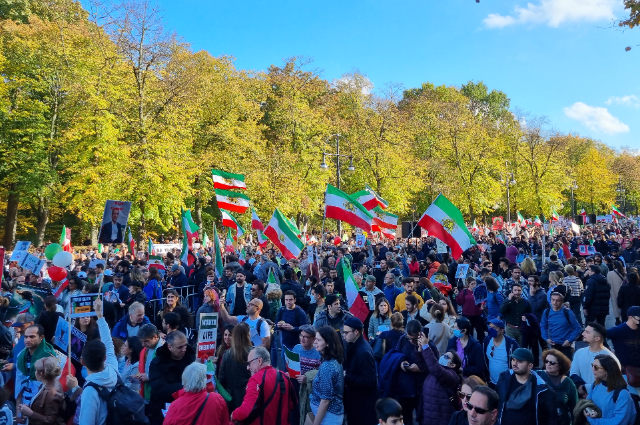
Out came fury, sparked by her last breath. Across towns and campuses, people poured into streets - heads uncovered, scarves set aflame, silence broken. Resistance showed up bareheaded, roaring without permission.
A chant took hold: "Woman, Life, Freedom." Out of anger at forced headscarves came something wider - calls for change in how power works, how people live. The protest shifted shape fast.
Something shifted when Mahsa Amini died. To countless people inside Iran, it wasn’t just one tragedy - it cracked open years of suffocating rules, heavy-handed control. Her passing echoed what had been building long before that moment. Quiet anger turned louder. Not because of a single act, but layers piling up under tight surveillance and limits on daily life. The weight wasn't new. What changed was how clearly it could suddenly be seen.
The State's Reaction Using Force and Intimidation
Facing public outcry, Iran's leaders hit back hard. Many who took part found themselves taken by state agents. Torture showed up in accounts collected by watchdog groups. Confessions under pressure appeared in files reviewed later. Death penalties followed, tied directly to moments of unrest.
Still facing global criticism, officials pushed harder on crackdowns. With fresh rules rolled out, monitoring tightened alongside harsher consequences for breaking hijab laws.
One year before 2025, officials seemed ready to crack down harder on protesters speaking out against clothing rules. Tougher penalties started appearing wherever people gathered to resist. Not just talk - actual steps toward stricter control showed up in policy talks. Those refusing fashion laws faced growing risks without warning. Pressure climbed for anyone rallying others to act. Rules tightened quietly but surely across regions. Resistance met with sharper consequences than before. Voices pushing back found less room to move. Measures once discussed now took real shape. Punishments grew heavier behind closed doors.
Nowhere was the unease clearer than in how quickly small marches grew. What began as cries for fairness soon questioned everything. From street corners to silent nods, doubt spread. Instead of calming down, voices multiplied. In time, it became less about one issue and more about who holds power. Even quiet gestures carried weight. Behind every slogan lies a deeper question. Not just change, but whose rule remains justified.
The 2026 Strike and the End of a Supreme Leader
Friday morning changed everything when explosions broke out across Tehran. That day, American forces joined with Israeli units to launch sudden attacks on centres of power. Senior figures inside Iran's government did not survive. Among them was Ali Khamenei, caught in the chaos. Early reports confirmed deaths at multiple locations. The moves came without prior announcement. Shock spread fast through regional allies. By evening, streets remained tense but quiet. Leadership structures now sit unbalanced.
A hush spread through Tehran when news broke - state channels finally admitted he was gone. Nearly forty years of rule ended not with a shout, but a quiet bulletin at dawn. Power once held tightly now slips into unknown hands. The silence after the announcement felt heavier than words ever could.
Horns blared through city streets, then voices rose in unison under open skies. Flags appeared in windows where silence once held sway. In distant cities, strangers found each other on sidewalks, drawn by something sudden. Years of quiet resistance now echoed louder than before. Change did not arrive with a speech - it came in glances, in shouts, in tyres screeching at crossroads.
Faster than expected, the global political fallout kicked in - messy, tangled. Because of the attacks, nerves across the area frayed tighter while worries grew, spilling beyond borders into a possible showdown among Iran, Israel, plus countries from the West.
A System That Outlives Its Founder
Just because a leader dies does not mean the system falls apart, even if it seems like chaos at first. Experts say power structures often survive such moments without collapsing. A single moment rarely wipes out deep roots. The machinery keeps turning long after one figure steps off stage.
A web of strong groups holds up the Islamic Republic - among them, the Revolutionary Guard stands alongside religious councils, while intelligence bodies work hand in hand with senior clerics who lean conservative. Together, these forces guard the core beliefs and power structure that keep the system running.
After Khamenei passed away, top officials in Iran swiftly set up a temporary ruling group even as plans began for choosing his replacement. Word spread that Mojtaba Khamenei, son of the former leader, might step into the role.
Still going strong, the setup shaped across years might roll on, even if the leading name steps away.
Gender Apartheid Sparks Worldwide Discussion
A growing number of campaigners now refer to gender apartheid when pointing at governments that enforce strict separation and authority over females. Different global groups have started applying this phrase more often whenever power structures heavily restrict women's roles. Systems built on isolating one sex are being named for what they mirror - deep, organised exclusion. Some call it a pattern, others see echoes of old divisions reborn in new forms. Where rules lock women out by design, the label begins to fit like worn skin.
Fresh ideas once tied to apartheid in South Africa now show up elsewhere - places where laws treat people differently because of their gender. Experts and activists pull this idea into new spaces, linking deep-seated rules about sex roles to older patterns of systemic separation. Not every case looks the same, yet the core thought sticks: when law enforces inequality based on gender, similarities appear. Some resist the comparison; others find it sharpens understanding. What began in one struggle echoes in another.
Fresh off quiet protests, rules on women in Iran tie into something wider - dress codes link to limits on movement, shaping home dynamics along with who shows up where. These controls do not stand alone; they feed each other through unspoken design.
Those who back Iran's setup say rules come from faith and long-held customs. Yet others insist tradition doesn’t make unfair systems right.
Still going strong, this argument colours how nations talk about local traditions versus shared human freedoms. What matters most shifts depending on who you ask. Some see old ways as unshakable. Others point to common dignity across borders. Where one stands often ties back to history, identity, and even soil. The tension doesn’t fade - it mutates. Voices rise, then pause. Ideas clash without clear endings. Every resolution seems to bring a new question. Not progress, exactly - more like rotation. Around and around it goes.
Reform, Resistance, or Reinforcement?
A shift begins where paths diverge quietly. With one figure gone, space opens - yet questions linger like dust after footsteps.
A shift might unfold slowly. Pressures building inside - like those from youth, rising demands by women, or strains on the economy - may nudge those in power to ease controls and allow more freedom in daily life.
A shift toward harsher rules could happen. Those in power may try holding things together by clamping down harder, quieting opposition with greater force.
Change could grow slowly through pressure from grassroots activism. Iran has a well-schooled population fluent in digital tools. Even under strict controls, thoughts on fairness, self-rule, and individual rights keep spreading online. While authorities block content, new ways to share persist.
Whichever path Iran follows hinges on how government bodies react when pushed by citizens alongside global shifts. What happens inside the country twists together with outside forces, shaping choices made in Tehran through quiet pushes and visible tensions. Power sits not just in offices but also in streets where voices rise, meeting pressures that come from distant capitals and close at hand.
A Time of Shift Rather Than Finality
A shift here, a protest there - Iran's approach to gender unfolds through years of clashing beliefs. Not born from a single person or event, it grows out of arguments in homes, streets, and schools. Power shapes it, yet people push back just as hard. Moments pile up, quiet ones and loud, shaping what comes next.
Few moments cut as deep as this one - Ali Khamenei’s passing shakes the ground, yet the walls around women stay standing. Not every ending pulls down what came before.
What comes now will decide if things shift toward more liberty or tighter control. Echoes from the crowds shouting during “Woman, Life, Freedom” prove one thing: behind rigid rules beats a people wrestling with where they’re headed. Still questioning. Still speaking.
A single leader stepping down might create space. Yet only the fight for fairness, respect, and every person's right to choose - this shapes what comes next. What matters isn’t the moment power shifts, but who gets to rebuild after.
. . .
References:
- https://www.washingtonpost.com: Coverage of the joint U.S.–Israeli strikes in Tehran that reportedly killed Iran’s Supreme Leader.
- https://www.amnesty.org: Amnesty International report on Iran’s stricter hijab laws and penalties for activists.
- https://www.hrw.org: Human Rights Watch overview of human rights conditions in Iran, including women’s rights restrictions.
- https://www.unwomen.org: UN Women analysis of gender inequality and legal discrimination against women in Iran.
- https://www.weforum.org: Global Gender Gap Report ranks Iran among the lowest countries for gender equality.