
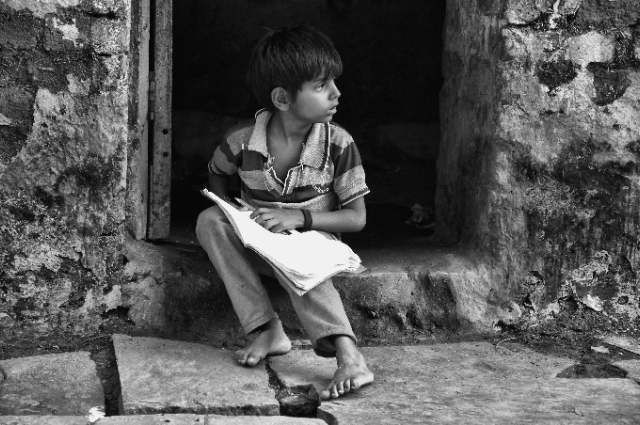
A Tiny Habit with Huge Consequences
Out here in villages across India, budgets aren’t planned on screens. Decisions happen slowly, shaped by tired minds, stress, and a few choices. That ₹5 packet of gutka? Seems tiny, barely noticed amid everyday routines. Yet once bought again and again, it quietly shifts what matters - slippery at first, then fixed.
Fresh numbers from India’s latest household spending survey highlight a striking truth. About two-point-five per cent of rural family budgets go toward schooling. Meanwhile, close to four percent pay for tobacco - much of it spent on gutka. These figures do not float aimlessly. They show choices shaped by urgency rather than future gains. What gets money today often wins over what builds tomorrow.
The Gutka Boom: Growing Trend
Worry grows faster than ever because gutka use is spreading so rapidly. Once just a small habit, it now dominates daily routines across villages. Rural homes buying gutka jumped almost six times over, rising from 5.3% to 30.4%. Nearly half of all rural spending on tobacco goes toward gutka today. That number is higher than that of every other product in the countryside.
Most of the rise isn’t shared equally across regions. Instead, it piles up in a stretch through India’s middle - places such as Madhya Pradesh, Uttar Pradesh, Bihar, Chhattisgarh, and Rajasthan stand out. From village homes in Madhya Pradesh, over six in every ten people chew gutka. Meanwhile, in Uttar Pradesh, half of all households have already picked up the habit.
Out here, things aren’t happening just once in a while. A shift’s taken hold - gutka now fits into daily life for countless people. What used to be rare now threads through routines like the routine itself.
Spending Keeps Going Up
Surprisingly, more knowledge about health dangers hasn’t slowed tobacco use. Instead, numbers point toward a rise.
Spending on tobacco, when checked against rising prices, shows a clear upward trend. From 2011–12 to 2023–24, outlays climbed fast - rural spending jumped 58%, city dwellers pushed theirs up by 77%. Households using tobacco in villages? That count moved from 9.9 crore, or 59.3%, to 13.3 crore, making up 68.6% now. Over ten years, that's growth past one-third.
Surprisingly, smoking habits aren’t fading - they’re spreading. With incomes stretched thin, more money vanishes into cigarettes each month.
The Poor Bear the Heaviest Load
Most feel the weight of this spending less. Those with tighter budgets carry the heaviest load. Most families at the lower end of income in rural India use tobacco, more than 70 percent. Where places such as Uttar Pradesh, Madhya Pradesh, or Bihar are concerned, that number jumps past 85 percent. On average, those with less money set aside a bigger chunk of what they earn for tobacco - close to 1.7 percent, versus 1.2 percent among wealthier groups.
Out of nowhere, the scale tips hard. When money's tight, some households spend bigger chunks on something damaging instead of basics such as learning or meals. Life shows this balance clearly. Not just an idea, it appears each day.
What That Money Could Actually Do
Picture what happens when just twenty rupees vanish every day. That tiny sum slips into gutka, building to six hundred each month - seven thousand yearly. Imagine living on little, yet losing that much without notice. Money gone fast feels heavy after twelve months.
This cash might instead help a young learner in real ways. School supplies, clothing needed for class, tuition costs - these could all be covered. With time, that support might stretch toward college or hands-on training programs.
One way to look at it involves what people eat. Research shows that when families with less money spend on food instead of cigarettes, a child or two might gain over 500 extra calories each day. Imagine that change in a place where too many kids still don’t get enough to eat. Suddenly, skipping smoke could mean fuller plates.
The Health Cost That Comes After
Money spent on smoking tells just a slice of what happens. Worse damage shows up in how bodies suffer. Every year in India, about 13 lakh people die because of tobacco, says the Ministry of Health and Family Welfare. Lung cancer shows up often among those harms - heart problems follow close behind. Chronic breathing issues are common too. Smokeless forms such as gutka bring mouth cancers into play just as much.
Picture this: tax income from tobacco hits 100 rupees, yet the fallout drains nearly 816 in medical bills and work hours vanished. That gap? It sits heavy on everyone’s shoulders.
So, one small choice at home drains money now, yet piles up bigger bills later - two hits from the same move.
Why Stopping Feels Hard
With the price tag obvious, what keeps feeding the cycle? One reason stands out when you look closely - habits, low cost, and life on the edge shape the pattern. A day spent moving bricks or waiting for odd jobs ends often with something small: a ₹5 packet of gutka feels within reach. Found at every roadside stall, it needs no cooking, no setup, just opening and using. Relief comes fast, without paperwork or promises.
Some find it eases hunger, carrying them past stretches where real food costs too much or isn’t nearby.
Out here, gutka weaves into daily life. Friends pass it around during quiet moments, swap it at roadside stops, linger over it when talking late into the night. Customs in some places tie it to routine gestures, almost like habit dressed as tradition. People still believe it settles the stomach, calms nerves, eases headaches - ideas handed down even without proof. These thoughts stick, shaping choices despite what science says.
Fighting nicotine is tough - knowing the dangers doesn’t always stop someone from using it. Quitting feels nearly impossible because the hold runs so deep.
Rules Exist Only on Paper
Back in 2012, India made gutka illegal, yet actual control slipped through the cracks. Not long after, makers shifted tactics - offering twin packs instead: one holding pan masala, the second filled with tobacco. People toss both together themselves, sidestepping the law without changing a thing. Still today, what's banned on paper lives on in practice.
Back in 2016, the Supreme Court already pointed out this practice - still, across wide stretches of the nation, it goes on without hiding. While officials raised concerns years ago, today it remains visible in numerous regions.
A setup like this keeps rules in place while still letting people get what they need without hassle. Costs don’t climb, supply doesn’t drop, so using it just goes on. What you see is control that doesn’t block the door.
The Real Issue Is What We Choose to Focus On
This problem touches more than just cigarettes. What matters most is how families choose to spend their tight budgets.
Spending on tobacco still eats up money that could go to basics such as meals, doctor visits, or school. Lately, numbers confirm this pattern sticks around - it does not fade even when pay checks grow. Instead of feeding families more nutritious food or boosting learning chances, cash keeps flowing into smoking. Over years, little has changed at all.
A closer look reveals something more serious underneath. When it comes to spending at home, programs meant to help with medical needs, school access, or low income rarely account for one another - each treated like its own island. Decisions around them unfold in silos, even though cash has to stretch across all three.
One habit tug at another, pulling addiction into money worries. Cultural patterns tie in too - laws meant to help often bend under pressure. Tackling just one-piece misses how they push on each other. Fixes that target only a single cause tends to fall short.
A Different Future Built Over Time
Turns out, shifting money from cigarettes into schools isn’t flashy - yet changes lives. Small steps shape real progress, not big promises. Day by day, tiny changes in how money is spent start to matter. With time comes better chances to learn, eat well, and stay healthy. Slow motion brings quiet gains.
A kid might learn more easily, finish school with greater odds, while later life opens up new paths. While early gains build into lasting advantages, classroom success often leads forward, creating room to grow down the line.
A child might grow up seeing choices that stretch beyond today because of what changes at home. What once held things back now shifts, slowly. Progress starts to feel possible when routines begin to bend.
A Final Reflection
What really matters isn’t if folks worry over what lies ahead for their kids. The truth is, nearly everyone does - strongly. What really matters is whether daily decisions actually match up to that worry.
Picture a classroom where each desk appears because someone chose books over gutka. Money once burned in smoke now buys pencils instead. A child reads aloud while silence replaces coughs at dusk. Every lesson paid for by what used to vanish into ash. Learning grows where habit once held power. Change comes slowly, yet it stays. Not fast, not flashy - just steady. Better books appear because of it. Meals improve when it's around. Health grows stronger with its presence. Life offers more opportunity where it exists.
Now here's the thing: progress often sneaks in without fanfare. Not every shift needs a bold choice to start it. Often, just a small nudge breaks the stillness. Movement begins before you even name it. Staying put ends the moment something shifts inside. That quiet change matters more than any grand plan ever could. Each day starts small, just a handful of rupees leaving hands. How money slips out slowly becomes clear after weeks pass. A bit here, another bit there adds up without notice. Little expenses pile when no one is watching closely. What seems tiny at first grows by repeating daily.
References:
- Economic Advisory Council to the Prime Minister (EAC-PM): Rise in Tobacco Consumption and Policy Implications [Read Full Report] - This official report confirms that tobacco consumption in rural India rose sharply, with spending increasing by 58% between 2011–12 and 2023–24, and tobacco use spreading across households.
- Trak.in (based on HCES 2023–24 data): Rural India Spending More on Gutka Than Education [Read Article] - Provides the key comparison used in your essay: rural households spend about 4% on tobacco vs 2.5% on education, highlighting the imbalance in priorities.
- Vision IAS (based on Indian Express & HCES data):The Gutka Nation and the Welfare State [Read Analysis] - Shows that gutka consumption rose nearly sixfold (5.3% to 30.4% of households) and that tobacco-using households increased to 13.3 crore (68.6%) in rural India.
- Ministry of Statistics & Programme Implementation (MOSPI): Household Consumption Expenditure Survey 2023–24 (Official Report) [View Official PDF] - Government data confirms that spending on tobacco and intoxicants (~3.8%) remains higher than education (~3.2%) in rural consumption patterns, showing a long-term structural trend.