
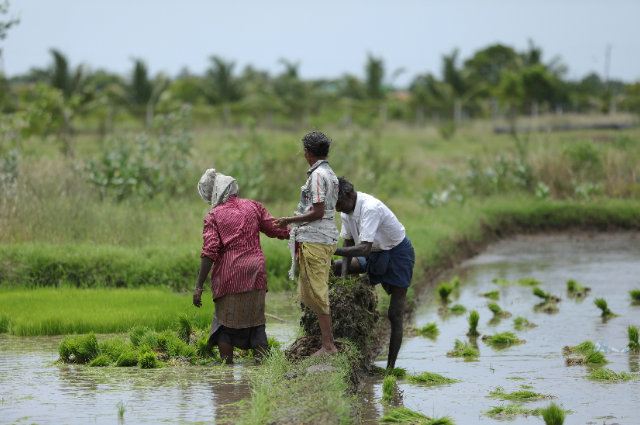
Quiet Crisis in the Countryside
Fields stretch wide across India, feeding millions through crops grown season after season. Many lives tie back to soil and sowing, making farming more than work - it shapes existence. Still, beneath golden harvests hides something heavy, rarely spoken loud enough. Year on year, farmer deaths climb, each ending a story shaped by struggle. It keeps happening, not in silence, yet without real change taking hold.
Every year, about 10,000 to 11,000 individuals working in farming take their own lives, reports the National Crime Records Bureau. During 2023, that number stood at 10,786, including farmers and farm workers. These deaths make up close to 6 per cent of India's total suicide cases. Put another way, someone from the farming world ends their life roughly once per hour.
What lies behind these figures goes beyond mere data. Hidden within them are signs of lasting flaws in how village economies function across India.
Regional Clusters Where Suicide Rates Are Highest
Folks in some parts of India feel the crunch more than others. Where rain hardly falls, wells run dry, farming leans on thirsty crops - that’s where trouble shows up most often.
Farmers ending their lives are most often reported in Maharashtra, recurring each year. More than 33 per cent nationwide usually come from here. Distress grips places like Vidarbha and Marathwada more sharply than elsewhere in the state. Cotton dominates these lands, while rain arrives without warning - making survival harder.
Not far behind is Karnataka, where the drier parts up north face ongoing strain. In contrast, Andhra Pradesh sees grim numbers too, mainly among farmers tending cotton amid bugs and price swings. Telangana shares a similar path, weighed down by harvest troubles and uncertain income. Hardship lingers where crops falter, and prices shift without warning.
Lately, more farm workers are taking their own lives - a shift that stands out. Not even half of these tragic events come from those who actually own farmland anymore. Instead, over half belong to day labourers scraping by. Hardship now runs deepest where there’s least to fall back on. Rural pain has found its way into the most vulnerable pockets.
The Debt Trap: Living on Borrowed Money and Falling Further Behind
Money troubles weigh heaviest on farmers choosing to end their lives. Getting crops started means paying up front - seeds, fertiliser, bug spray, water systems, fuel, and workers. Those tilling small plots rarely qualify for loans at regular banks. If official lending channels shut down, borrowing shifts to local lenders demanding steep interest rates.
Farmers might miss payments when dry weather ruins their fields. As time passes, what they owe climbs higher because of added charges. One bad season follows another, piling stress on top of stress. Stuck like this, getting out feels unlikely - experts name it a “debt trap.”
Shame builds quietly when debts go unpaid, weighing on a person's mind. Despair creeps in as worries grow stronger over time. Stress takes hold not just in thoughts but through daily strain.
Climate Change Causes Crops to Fail
Farming across India still leans heavily on seasonal rains. If downpours arrive late, bring too little water, yet flood fields unexpectedly, harvests take a hit. Lately, shifting climates have twisted normal weather into something erratic. Scorching heat spikes, rain in odd months, and even abrupt gales strike when plants are most fragile.
Out in the fields where cotton grows, bugs like the pink bollworm often wipe out entire harvests. One outbreak might erase a farmer’s effort almost overnight. When help doesn’t come fast - through insurance or support - the damage hits deep in the wallet.
Farmers without reserves or extra earnings face total financial ruin when harvests fail.
Rising Costs Amid Market Uncertainty
Now rising are the expenses tied to farming supplies. Costlier seeds show up alongside pricier fertilisers, power, and gas. Even so, what growers earn per harvest often fails to match that climb.
Prices set by officials aim to shield growers of specific grains. Still, plenty find themselves unable to benefit from those levels. Cash pressures push numerous cultivators into selling output through traders who offer less. Starting over each season doesn’t erase last year’s debt burden.
Farmers feel the shake of world markets. When prices drop for cash crops like cotton or soybeans, covering simple expenses becomes impossible. Costs climb while earnings wobble - pressure builds without relief.
Social Pressures and Mental Health Struggles
Money troubles tend to bring along stress in relationships and feelings, too. Not just city folks but those living outside towns carry costs like school fees, hospital visits, or big family celebrations. When paychecks stop arriving on time, keeping up with these needs weighs more heavily each day.
Out in the countryside, help for emotional struggles is hard to find. Therapy spots nearly vanish, experts even more so. Silence spreads among growers, shame holding them back. Left alone, thoughts of falling short dig deeper where care should step in.
Falling into suicide often follows months of slow-building strain instead of one quick choice.
Government Actions and Where They Fall Short
Still, doubts linger over how well those plans really work. Fresh efforts by officials aim to ease hardship in rural areas.
Each year, the PM-KISAN scheme sends 6,000 rupees straight into the bank accounts of qualified farming households. Still, when loans pile up or harvests fail badly, that sum hardly covers what’s needed.
A safety net for farmers shows up when storms or droughts hit hard. Even so, slow payouts and tangled paperwork can weaken how much help it brings.
Farmers in parts of India got help when state leaders said they would erase some debt, especially across Maharashtra and Karnataka. Relief arrived fast through these loan cancellations, yet the roots of struggle stay untouched like missing water, weak crop yields, and even market swings nobody can count on.
A bit more each year in MSP aims to keep prices above what it costs to grow crops. Yet, without enough buying centres nearby, plenty of small growers can’t reach the system.
Changing systems for lasting change
Heavy rains don’t fix broken farms - fixing the system does. When water flows where it’s needed, crops survive even if clouds stay away. Loans from banks, not loan sharks, let farmers plan instead of just surviving. Long-term change means changing how things work underneath.
A shift toward growing different crops lowers dependence on just one market-driven harvest. When tough times hit, stronger medical care in villages helps people cope emotionally. Working together in farming groups builds strength against unfair treatment from traders.
Facing unpredictable weather, farmers rely on tougher crops, while better warnings help them plan.
Beyond Numbers
Numbers on paper never tell the whole story. Behind every single one sits a household torn apart by loss, bills piling up with no way out, young lives derailed before they begin. Year after year, the statistics from NCRB roll in like clockwork. They do not shout - just whisper the same grim truth over time.
Farmers feed India, though their lives often hold little safety. Grief follows each season, showing how progress without care for villages strips away worth.
Facing this emergency means policies must work together, care has to grow among people, and systems need to be changed from the ground up. Crops may rise again under such conditions - yet so might confidence, along with steadiness, for millions tied to the soil.
References
- https://ncrb.gov.in Official annual NCRB report providing national data on farmer and agricultural labourer suicides.
- https://sansad.in Lok Sabha parliamentary questions and answers addressing farmer suicides and agrarian distress.
- https://www.thehindu.com News coverage on the rise of farmer suicides in Maharashtra’s Marathwada region.
- https://www.downtoearth.org.in Investigative analysis of structural causes behind farmer suicides in Maharashtra.
- https://en.wikipedia.org Background overview of the history, trends, and causes of farmer suicides in India.