
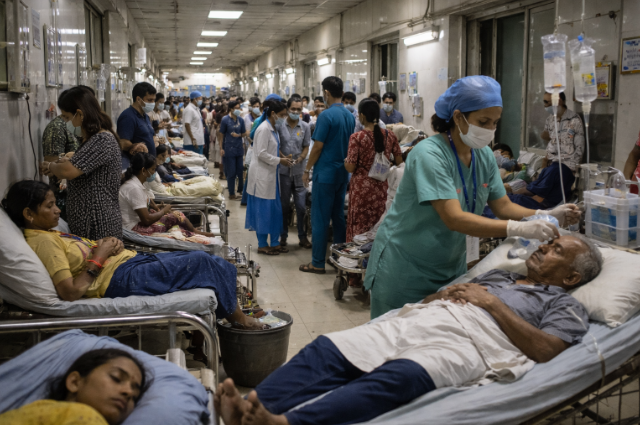
A wave of sickness rolled through Indore early in 2026, catching everyone off guard despite its reputation for cleanliness. Trouble started small - just a handful of people feeling unwell after drinking tap water in Bhagirathpura. Yet before long, dozens became hundreds, then thousands, clutching their stomachs, rushing to doctors. Emergency rooms filled up fast; beds disappeared, staff worked nonstop, and the halls were crowded with weak bodies sweating and shivering. Vomiting, constant runs, dizziness from fluid loss - symptoms piled on top of fear. Sanjeevani Clinics scrambled, nurses doubled shifts, med supplies ran low while ambulances wailed day and night. Government hospitals joined private ones in a race nobody saw coming, patching gaps as they went, trying simply to keep pace.
A wave of sickness hit fast and spread wide. More than two thousand people became sick after drinking tainted water, according to early reports. Over one hundred fifty people needed care inside hospitals, while thirty faced critical health struggles. Between seven and ten lives ended, some say even ten, among them a baby just half a year old. Out of nowhere, cases started climbing - fast. That spike scared people, shook routines. Hospitals buckled, stretched too thin before anyone understood the source. Fear moved quicker than answers.
Right where people live, Sanjeevani Clinics stood ready when the outbreak hit. These spots, tucked into neighbourhoods, turned into go-to places fast. Instead of sitting at home or lining up at big hospitals, folks headed straight to the closest one. Staff inside jumped into action - giving fluids by mouth, pills to ease sickness, checking vitals on the spot. Some got better right there, never needing more care. That early help slowed the crush on bigger facilities when cases surged. A quiet shield, really, during those first tough days.
Even so, the sheer volume of patients pushed Sanjeevini Clinics past normal limits. Staff stayed on longer than scheduled because people kept arriving without pause. Often, entire families showed up together, each member unwell. Instead of handling everything onsite, the clinics focused on spotting critical conditions, sending those ahead to hospitals. Because of this link to larger medical centres, urgent cases moved quickly when danger signs appeared.
When serious cases rose, private clinics in Indore joined efforts to ease the strain on medical services. Though some arrived weak, others showed signs of extreme fluid loss or related issues - all needing careful observation. Treatment included IV drips, urgent interventions, continuous supervision just to keep things steady. A rush of over 150 admissions in little time stretched available space, personnel, and critical wards thin.
Even under pressure, teamwork across public clinics and private hospitals made handling the crisis possible. Public health centres took charge of initial care and checkups, whereas medical facilities concentrated on severe conditions. Because roles were split clearly, services ran more smoothly when things got tough. Yet staff struggled greatly, facing heavy workloads with little downtime, treating many people quickly.
Later came the truth - a broken pipe under a toilet at a roadside checkpoint started it all. That toilet sat above ground without any real waste system below. Sewage slipped through cracks right into the town's main water line. Water meant for homes carried sickness instead. People got sick fast, one after another. What looked like bad luck turned out to be poor planning hiding in plain sight.
Only later did officials notice how long things took behind the scenes. Back in August 2024, they sent out a request to fix the broken pipe - yet nothing moved forward because money hadn’t come through under AMRUT. More than twelve months passed before any real progress started. It wasn’t until people died near the end of December 2025 that digging finally began. Plans existed, sure - but doing anything about them? That part kept stalling. When repairs drag like that, lives hang in the balance.
When things got worse, officials had no choice but to act. A sudden move came from the Madhya Pradesh High Court - clean water must reach people fast, plus hospitals should treat victims at no cost. Money followed: 2 lakh rupees per family who buried someone. On the ground, consequences hit hard - one sub-engineer gone, while an assistant engineer and a zonal officer were pulled off duty. Rules shifted overnight, quietly reshaping responsibility. Ahead of everything, a team of three came together under an IAS officer to look into what happened, then assign who was at fault. With quiet urgency, actions followed that showed how deep the problem ran - someone had to answer.
Outbreaks like this pushed hospital teams harder than almost anything lately. Not just doctors but also nurses and aides coped with wave after wave of new arrivals. Crowded ERs never really emptied, so shifts stretched on without relief. Through it all, the system held - yet still revealed where it could bend too far. A quick reaction kept infections down along with fatalities. Yet when essential systems broke, medical centres strained fast.
When things got bad, local health centres suddenly mattered more than ever. Had it not been for Sanjeevani Clinics soaking up the first wave, emergency rooms could’ve collapsed under pressure. Right from the start, these spots gave fast help, keeping many out of bigger facilities. Meanwhile, non-government hospitals stepped into tougher roles, managing critical conditions before outcomes worsened. Their work quietly saved lives without drawing attention.
When the dust settled, what stood clear was how tightly health outcomes were tied back to pipes underground and decisions made in offices far away. One broken valve in Indore's water web sent waves through homes, clinics, everywhere - sickness spread fast once clean taps ran dry. Clinics stepped up, hospitals stretched thin, yet it took more than extra shifts to handle the fallout. Speed mattered most when delays had already cost days, trust, and lives. Behind every fever case lay neglected checks, ignored warnings, systems slow to wake. What followed wasn’t just recovery - it exposed gaps long overlooked.
Healthcare workers showed up when it mattered most - calm under pressure, steady through chaos. Handling over two thousand people in just days kept disaster from growing worse. Still, hindsight whispers: stopping problems before they start beats fixing them after. Clean water flowing from taps, working toilets, pipes fixed before they break - these keep communities safe.
When things go wrong fast, Indore reminds us that clean streets don’t always stop sickness. Public safety often depends on clinics and doctors once trouble arrives. During the recent crisis, Sanjeevanis, along with private medical centres, stepped up quietly. Still, people began asking - can we avoid repeating this? Strength isn’t just inside hospital walls. It grows where pipes run cleanly, waste disappears without stink, and leaders choose caution before headlines appear.
. . .
References: