
A Crisis You Can't See Anymore
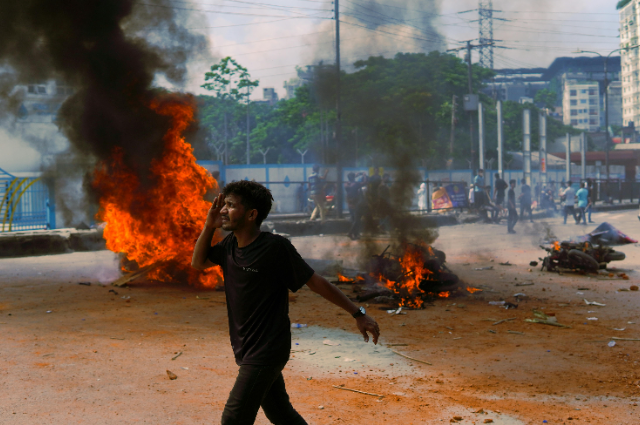
Out of nowhere in April 2026, Manipur found itself gripped by bloodshed yet again, revealing just how thin the veneer of calm really is. A blast tore through Tronglaobi - Bishnupur district - and took the lives of two young kids, while their mother lay hurt nearby. Locals reeled from the horror; grief turned fast into fury. Across pockets of Imphal, people rose - not quietly, but loud and raw. Tires caught fire under angry skies, pathways choked with debris, and streets pulsed with unrest.
Out there beyond Manipur, news started fading fast. Hardly any videos showed up, reports trickled in late, and those speaking from the area grew quiet. Not because things calmed down. Because online access just vanished.
Phones stopped working right when they were needed most. Because officials cut internet access - including home connections and hidden networks - in multiple areas. Supposedly to block false stories from moving fast online. Yet it did more than silence lies. People could not check facts, watch events unfold, or make sense of things around them. Here's the thing. If talks stop when trouble hits, what stays seen - what slips out of sight without anyone noticing?
The Pattern Behind the Shutdown
Back then, in April two thousand twenty-six, the blackout did not happen by itself. Each time anger flares across Manipur, signals go quiet - just like after May twenty-three when fire spread between communities. When clashes grow louder, voices fade into silence. Not once, but again and again, the connection slips away as fear moves in.
Shutting things down now feels routine, not rare. Because here's how it plays out: stop the flow of news, and fear might stay contained. Block gossip from moving around; chaos could stall. Each time, the move follows the same path - silence as a shield.
Yet clarity isn’t always born from less talk. Often, when messages stop, gaps appear - spaces where guesses grow instead of facts. Without steady updates, understanding fades. Quiet doesn’t clear the air. It clouds it.
The Human Cost of Being Unconnected
Out here in Manipur, going online means far more than checking posts. Life runs through the connection - calls reach relatives across hills. Work depends on it, steady. Medical info shows up fast when needed. Schools send lessons. Farmers check prices. News arrives without delay. Each link matters.
Once the web goes down, life shifts right away. Cut off from loved ones, people feel the distance grow. Lessons vanish when class moves offline without warning. Shops relying on phone taps or card swipes find doors closing fast.
Survival often hinges on knowing where it is safe to go during unrest. When official channels shut down, rumours start filling the silence instead. Information gaps grow when updates stop coming from trustworthy sources. Getting around becomes harder when every move feels like a guess. Uncertainty sticks to routine tasks, turning them risky without clear warnings.
Violence Without Visibility
Besides the official statements, tension still hangs in the air across the region. Though quiet in some areas, fighting has broken out again between militias in others. A soldier lost their life recently - this happened in Ukhrul. Weapons turned up seized just after, pulled from hidden spots in Chandel. Behind each report lies a deeper unease that refuses to fade.
Yet if web connections are cut, such events rarely spread beyond local areas. Reporting grows harder for reporters working under pressure. Confirming facts without help from outside turns into a struggle. Details leak out piece by piece, mostly shaped by government sources. With attention fading, even intense conflict can go unseen.
Reality shifts when stories go unseen. If few hear about something, only a narrow version survives. What gets shared shapes what people challenge. Power hides easier where light does not reach. How we see things depends on whether they’re shown at all.
The Government’s Dilemma
True, handling crises like Manipur tests any administration deeply. Old wounds between communities do not fade easily. When weapons are already in hand and distrust runs high, peace becomes fragile. A spark - just one - is enough to ignite what follows.
Stopping the spread of rumours is seen by officials as a way to avoid chaos and lower chances of violent reactions. In different areas across India, untrue reports once caused major problems. Because of such risks, cutting off internet access feels like a step taken ahead of danger.
What makes it tough is how big the reaction becomes. Rather than going after just the false stories, the cutoff stops everything coming through. Real news gets caught too, along with urgent alerts and messages between people who know each other. Everyone ends up silenced, even those staying far from the fighting. Size of the clampdown misses precision completely.
The Political Setting Behind the Crisis
April 2026 unfolds under the shadow of Manipur’s shifting politics. Out of chaos came a fresh government in February that year, ending President’s Rule. Stability remains fragile here - years of turmoil leave deep marks. Leading now means walking through leftover fires from old conflicts.
Someone has tried to connect with those hit by the crisis. A trip by the state leader to shelters, along with talks among relatives of injured people, shows effort to respond to anger and fear. Still, running things during unrest needs actions beyond photo moments. Clear updates must flow steadily, truths should stay visible, relationships need growing slowly. Silence on official fronts makes belief in leaders shrink fast.
The Hidden Struggle Within the Violence
What set off the fighting right away ties back to long-standing tensions between the Meitei people in the Imphal Valley and the Kuki-Zo tribes living in the hills. Behind it all are questions about who belongs where, control over land, along with power in government.
After 2023, fighting pushed many from their towns. Homes once full now stand empty. Because trust has cracked, bringing people back together feels harder each day.
Out here, details matter more than most realize. Shaping views happens quietly, through what people hear - then how they respond follows close behind. Picture one group misreading another simply because facts got held back. Missing pieces? They leave room for guesses that rarely help.
Rights Law and Where They End
Years have passed since people began questioning internet blackouts across India. Back in 2020, a key moment arrived when the Supreme Court stepped in. Access to online networks, it said, is tied directly to free speech rights. What followed was clear: any limits on connectivity should match real needs, nothing more. Balance matters, the court reminded - overreach isn’t allowed.
Still, blackouts pop up now and then across regions, most often when people protest or tensions rise. That makes someone wonder. When does something meant to keep order start blocking freedom? There’s no clear line. Order needs to be upheld by those in power, yet personal liberties require guarding just as much. This tightrope walk shapes some of democracy's hardest moments.
The Need for a Different Approach
Out here in Manipur, blackouts seem to lose steam after a while. Though short-lived calm might follow, deeper tensions slip through untouched. Stopping access doesn’t stop doubt. Silence on screens won’t settle scores behind closed doors.
Talking more clearly beats talking less. When people get correct updates fast, fear slips away. Local news outlets doing stronger work means stories land right. Connecting with neighbourhoods grows real trust. Clear messages matter more than quiet control. Silence does nothing good here.
A Crisis Not Being Reported
Out there beyond Manipur, most see the clash through quick flashes on screens. Vanishes just as fast as it shows up in stories. Yet day by day, life inside stays shaped by what never really leaves. Reality keeps turning around noise that won’t fade.
Out here, when the internet goes dark, everything shifts. Cut loose from friends, families drift apart - then even the nation feels distant. Frustration grows where silence spreads, especially when no one seems to grasp what it's really like.
A Final Reflection
What happened in Manipur reveals a deeper layer of today's clashes. Not just fists or guns at play, but stories too. Once signals go dark, silence spreads wider than gossip control. People lose touch, presence fades, faith wavers. Perception bends under blackout. Memory gets carved in shadows.
What matters most isn’t if false information gets managed - sure, it must. What counts is the way it’s handled. After all, blocking everything blurs the difference between stopping fear and hiding truth. Within that haze grows a quiet danger: problems keep spreading while eyes shut too soon.
Truth matters just as much as control when handling disputes. What stays seen shapes what people remember. When things move out of sight, concern slips away too - silence covers more than answers ever could. Attention fades not from closure, but from absence. Being watched keeps a situation alive.
References:
- Reuters: Four killed after violence flares in India's Manipur state (April 2026) https://www.reuters.com
- Times of India: Police firing, protests, and internet suspended in 5 districts after bomb blast https://timesofindia.indiatimes.com
- Medianama (Policy & Tech Analysis): Internet shutdown in 5 districts after Bishnupur bombing https://www.medianama.com
- Business Standard: Manipur govt suspends internet services after attack https://www.business-standard.com
- Northeast Now: Manipur extends mobile internet suspension till April 14, 2026 https://www.nenow.in