
A War That Comes in Alerts
Battles now live beyond trenches. Through phones they come - sudden, sharp, in pieces of moving images and voices online. For countless Iranians living abroad, what happens back home isn’t far away. It hits fast. Feels close. Never really stops.
A ping on the phone brings weight instead of news. Silence after dialling makes breath catch. A shaky clip of rubble turns eyes sharp - Could that be where I played as a kid? Might that shape be a neighbour's door?
Midnight screen glows light up faces across time zones. Each ping could be a voice from Tehran, maybe delayed by hours. Waiting stretches nerves thin when networks flicker without warning. These moments are not quiet watching. They pull you in hard - heart racing at every silence between calls. Connections break, yet people stay glued to devices anyway. Feeling close means surviving digital droughts together.
The Quiet Weight of Keeping Away
Survivor’s guilt marks many lives within diaspora groups. People far from war zones escape harm, yet their distance brings unease instead of peace. Safety sits heavy when others back home face danger.
Even when safe, some carry guilt because home is breaking apart. Relief mixes with unease, quiet mornings shadowed by distant explosions. Doing laundry, drinking coffee - life moves forward, though hearts stay elsewhere. Loved ones face danger; ordinary tasks feel strange in comparison. Safety sits awkwardly beside sorrow, never quite fitting right.
A person caught between two worlds might keep moving forward each day while feeling stuck in another time entirely. One moment unfolds here - quiet, routine - while thoughts stay locked there, amid chaos far away. It is not just distance that separates these realities; it is the weight of knowing safety exists yet feels out of reach. Living becomes a kind of balancing act without ever finding balance.
Feeling Powerless When There Is Too Much Info
Now visibility comes with screens, yet control slips away. Helplessness takes shape differently these days.
Back then, being far away meant you were out of it. Now, staying distant means never escaping the news, even if you cannot act. While separated by miles, many in diasporas know more than most about the war - though their power to shift events remains slim. That gap breeds a quiet kind of pain: harm that comes not from living through violence, but from watching it unfold across screens. Feelings pile up - restless thoughts, sleepless nights, moments when emotions shut down, or when checking updates becomes automatic.
News streams pull at their attention again and again. Familiar streets flash on screens, stirring something deep. Pictures linger long after they vanish. A quiet dread builds without warning. Loss does not need to touch you directly for it to weigh heavily. Each new image adds another layer. Fear settles like dust after the wind. Uncertainty becomes routine, almost normal. The mind bears marks even when the body stays safe.
A Homeland of Memory and Imagination
Home isn’t only soil or borders for those scattered abroad. It lives inside whispers passed at dinner tables. Echoes hide within old photographs tucked in drawers. A name spoken softly carries weight beyond geography. Memory builds walls stronger than stone. Family voices carve landscapes in the mind. Identity forms where recollection meets longing. Iran becomes less a map point, more a pulse.
Living there once doesn’t always mean staying. Still, some carry their weight long after moving on. Not everyone has walked the streets, yet many know it by heart - through stories passed down, accents remembered, songs hummed at odd hours. Conflict sharpens that bond, turning distant pride into raw emotion. Belonging becomes heavier when you can’t reach back. The ache grows even if your hands are empty.
Memories of older battles wake up in certain people when this war begins. Other folks start feeling close to a land they heard about but never touched. Belonging grows stronger somehow, even as grief digs deeper. Loss feels heavier now than before.
Split Among Those Who Left Home
Out of many voices, one story rarely fits all. Scattered across nations, opinions pull in different directions. With conflict growing, gaps between them widen, too. Pressure from outside feels like hope to some. To others, those very moves look more like harm disguised as help. Missiles might shake buildings, but beliefs crack faster.
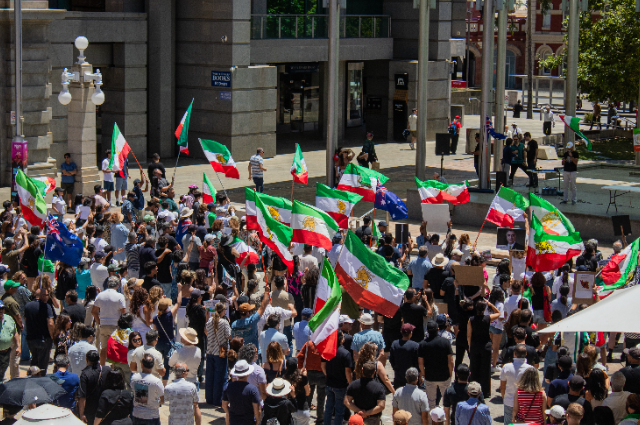
What feels like a debate on the surface runs hotter beneath. Tied up in feeling, these rifts hit close to home. Marches in major cities pulled vast crowds, showing unity even as tensions simmer among displaced groups far from their roots.
Out on the streets of places such as London, protests have made clear how split people really are - some backing one vision for Iran's path ahead, others standing firmly against outside influence. That kind of rift? It weighs heavily. Folks far from home aren’t just reacting to what happens overseas; they’re also caught up in clashes among neighbours who once shared common ground.
The Reality Inside Iran: What the Diaspora Watches
Out beyond the borders, far from home, people watch helplessly as news comes through. Inside Iran, though, things keep getting worse by the day. Entire buildings lie broken now - factories once loud with machines, schools meant for learning, hospitals built to heal - all hit hard. Bodies pile up faster than numbers can tell, close to fifteen hundred gone in just days, maybe less. Each report feels heavier than the last.
Now things look worse than before. With prices climbing fast, jobs vanishing one by one, and supply chains stumbling through chaos. A few forecasts point to shrinking activity ahead, along with ongoing uncertainty stretching far into the future.
Out here, numbers aren’t abstract. Each one ties back to someone they know. A home reduced to rubble hits different when it belonged to a cousin. When news speaks of loss, it sounds like a neighbour’s voice.
Protest As A Way To Take Part
Out here, where control feels thin, people far from home find power in standing together. Protest becomes their voice when nothing else answers back.
Out here, cities like Los Angeles, Toronto, and Munich have seen huge crowds rise up - people gathering not just to speak but to be heard. What moves them? A push for change, yes, yet also a call for someone to answer. Each protest wears many faces: it shouts policy demands, whispers sorrow, while aiming eyes abroad. Not only do they stand, but they also shape how nations see each other.
Yet these actions carry intimate weight too. A person might sense real agency through them - a break from helplessness. Still, demonstrations sometimes turn into arenas where rival dreams for Iran clash. Moments like these reveal fractures beneath collective effort.
The Emotional Toll of Existing Between Two Cultures
Out here, far from the front lines, life moves at an ordinary pace. Yet inside, clocks tick to another rhythm entirely. Distance keeps bodies safe, but not minds. One moment you're walking through a quiet neighbourhood, the next your thoughts land in chaos. Safety surrounds, even when peace does not settle within. The ground beneath feels solid, though something deeper shifts constantly. Living two lives happens without choice. Reality splits, whether wanted or not.
This state of living two ways at once keeps the mind off balance. Work, school, and connections pull in one direction. Fear, sorrow, and doubt take up space on the other side. A shift happens between moments - steady tasks meet sudden weight.
Most days feel like holding your breath. With time, each new conflict piles weight onto what already feels heavy. Slowly, routines form around unease, as if calm were something borrowed, never owned - even when danger isn’t near.
War Beyond Borders
What happens in Iran shows something bigger about war today. Not limited by borders anymore. Through shared identities it moves, also through people on the move. Connected by how we talk across distances.
Far from battlefields, yet never free, diaspora groups hold echoes of war deep inside. Not through fighting, but through feeling - weight on minds, tension in hearts. Though miles away, the struggle lives in their thoughts, shaping daily life. Carried silently, fought quietly, always present despite distance.
The Reflection
Watching your country burn on a small phone display might feel far away. Yet within that moment lives sorrow, regret, fear. Caring from afar brings its own ache. Safety weighs heavily when shared unevenly. Caught between places, never quite fitting either.
War isn’t something distant for Iranians abroad anymore. Inside each day unfolds a kind of battle few see. This hidden pain runs deep beneath ordinary lives. What happens when no one watches becomes part of breathing, thinking, remembering. The weight stays even without explosions nearby.
References
- Al Jazeera: Emotional turmoil grips Iranians watching conflict unfold overseas https://www.aljazeera.com - This article directly documents the psychological distress, helplessness, and insomnia experienced by diaspora Iranians watching war unfold through screens.
- Bloomberg: In ‘Tehrangeles,’ Iran’s LA Diaspora Watches War From Afar https://www.bloomberg.com - Explores how one of the largest Iranian diaspora communities reacts with mixed emotions—fear, hope, and political tension—while witnessing bombings remotely.
- The Guardian (Video Report): Iranian diaspora clash over Middle East war https://www.theguardian.com - Highlights internal divisions within the diaspora, where some support intervention while others condemn it, reflecting emotional and ideological conflict.
- Reuters / The Washington Post: Iranian civilians voice fear and fatigue as war escalates https://www.washingtonpost.com - Provides ground reality from inside Iran, including civilian deaths, infrastructure destruction, and communication blackouts, which diaspora communities closely follow.
- Al Jazeera: Iran’s neighbours prepare for fallout as war threatens refugee crisis https://www.aljazeera.com - Details the scale of destruction, casualties, and displacement, reinforcing why diaspora anxiety and fear are so intense.
- Wikipedia (Compiled Data & Protest Documentation): 2026 Iranian diaspora protests https://en.wikipedia.org - Documents global protests across 70+ cities, showing how diaspora communities respond politically to war and repression.