
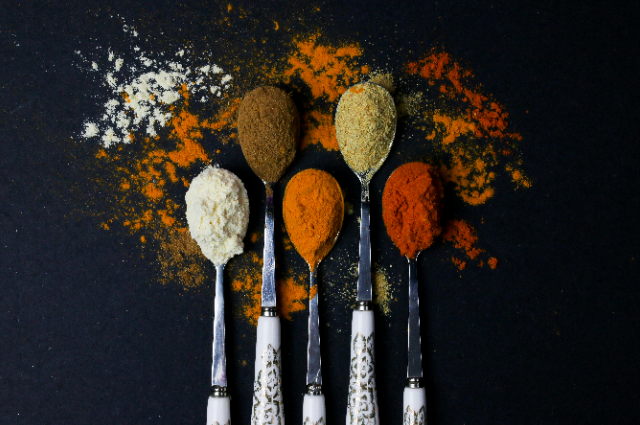
A Changing Taste Map
Smell a dish, recall a childhood kitchen. Across India, meals speak of where you are, who you come from. In eastern states, mustard oil bites the tongue - bold, pungent, familiar. Southern plates glow with red chilli fire, slow and deep. Up north, spices like cinnamon and cardamom hum beneath every stew and bread. Centuries pass. Seasons shift. Flavors stay rooted in soil, sun, custom.
Now though, over twenty years, that flavour layout starts to alter. Not loud or fast, mind you. More like a quiet drift, barely seen. You spot it where people shop, what kids carry to class, midnight hunger pangs. Through snack bags, noodle cups, crackers, meals pulled from shelves already made.
What worries people isn’t the arrival of unfamiliar dishes into Indian eating habits. Change like that has occurred before, many times over. It’s more about how those foods slowly shift what tastes even mean to someone.
The Size of the Snack Change
Fast growth marks India’s packaged food scene. Industry figures suggest the snack sector there hits more than $15 billion, rising yearly by roughly 10 to 12 percent. Chips and similar factory-made bites now reach city corners and village homes alike. Though simple, these treats travel far.
Spending on ready-made foods keeps climbing, surveys confirm. Younger folks pull shopping carts more often these days, especially those balancing jobs and homes. Not only wages shift patterns - routines reshape too. Once rare bites now sit in lunchboxes every day. Ads flood screens, prices stay low, shelves overflow. What showed up first as novelty sticks around as habit. Crisps and bars once saved for weekends show up at breakfasts, after school, during late work nights. The idea of treating oneself fades slowly. Some people now eat them instead of full meals. Because of this, their sense of flavour shifts slowly.
The Science Behind How Taste Develops
Most folks think liking a flavour means you either do or don’t - but that isn’t quite how it works. Over time, eating the same tastes again changes what feels normal. Studies tracking kids’ meals reveal something quiet: repeat bites build comfort. Early years matter most, because young mouths learn fast. When packaged snacks fill lunchboxes every day, blandness starts to seem right. Sweet and salty stop being treats - they become just… regular.
Spice hits more than flavour - it triggers nerves tied to discomfort. Over time, eating it often dulls that reaction, opening the door to bolder blends. What slips away with less heat on the plate is that hard-won ease. Sensitivity creeps back once the burn fades from daily meals. Over time, moving past classic spicy meals might dull how deeply someone enjoys bold tastes. What shows up isn’t emptiness on the tongue, just fewer notes standing out.
From Complex Layers to Simple Consistency
Spices hit the oil first, waking up their scent. One step follows another, each building something deeper. Heat dances with tang, then maybe a touch of sugar slips in. Time changes everything on the stove. Tastes shift as the meal cooks, never staying flat. What you smell early isn’t what lands on the plate.
Most worldwide snack foods focus on quick taste hits that never change. Salt, sugar, fat - these hold things together, along with preset flavour mixes. Every mouthful matches the one before it exactly. That sameness does not happen by accident. Brands build their products to repeat well across huge markets. One place’s favourite taste might need changing somewhere else. So bold or tricky flavours usually get softened up.
Spice hits different when it's real. Those so-called masala chips? Just shadows of actual blends, really. Not quite fake, but missing what makes them matter. Each bite leans on repetition instead of richness. After a while, eating these things reshapes what tastes satisfying. Familiar beats complex every single time.
Children Relearning What They Like
What stands out most? It's how kids and teens react when eating patterns change. Research points to childhood choices shaping what people like to eat years later. When young ones snack on packaged foods a lot, they tend to stick with those tastes as they grow. Bland might be expected - instead, meals rich in flavour can feel overwhelming, even strange.
This gap splits age groups apart. Where elders hold on to classic tastes, youth drift toward softer, uniform options instead. It is less about quality being higher here or lower there. What shifts is how often people meeting these foods. Once old dishes vanish from regular meals, they stop forming the way palates remember flavour.
Advertising and availability shape choices
Global snacks showing up everywhere? That didn’t happen by chance. Big push comes from powerful ad campaigns and wide-reaching supply chains. Companies spend large on promotion, especially aiming at younger buyers. Flashy wrappers help, so do star names attached to brands. Low prices also pull people in. Easy access keeps them coming back.
Even as habits change, city living eats up more hours. Longer jobs squeeze home meals even tighter. Tiny households add pressure too. So, people grab food that needs no prep. Out in villages, better delivery routes bring wrappers to doorsteps. Shelves stock what used to be rare. From city streets to wide-open spaces, tastes are shifting fast. Availability ties closely with price tags and bold ads pushing new choices into homes across the country.
Economic Pressures Shape What People Eat
Sometimes picking what to eat isn’t about tradition at all. Often, it comes down to money. Many households go for boxed treats because they’re cheap and ready fast. One little pouch gives a boost right away - no cooking needed. Long shifts make that kind of option useful.
Still, that ease carries unseen costs. Snacks made in factories tend to miss varied nutrients while leaning hard on bold, basic tastes. Bit by bit, they push out fuller, rounded meals. And it goes beyond body concerns. Smell plays a part too. As meals repeat more often, the tastes available shrink bit by bit.
Is This Actually Erasure?
Spice vanishing? Not really - India still holds its bold tastes close. Yet how often people meet those flavours, where they bump into them - that part has shifted lately. Global curiosity keeps rising, yes, though the moments feel different now somehow.
Meals full of deep spices once common in daily life now show up less often among certain groups. Rather than those dishes, simpler options - quicker to eat and lighter on flavour - are stepping into view. These choices aren’t wiping out old tastes completely, yet they’re pushing them further from routine plates. With years passing, what counts as usual on the tongue begins shifting quietly.
The Cultural Shifts Behind Evolving Preferences
Meals carry the weight of tradition. Taste changes bring shifts in how people live. Because of new preferences, local dishes might fade from routine cooking. Festivals could keep them alive, maybe restaurants too. Daily habits? Not so much.
Out of step, traditions start to fade when habits shift. Take a meal long tied to a place - now it shows up just now and then on tables. Less routine means less meaning sticks. Slowly, flavour loses its grip on belonging. That taste fading? Culture shifting.
Can the Trend Be Balanced?
Global snack trends aren’t all bad. As lives change, so do food habits - variety grows along with economies. Trouble starts if only one way wins out. Coexistence keeps options open. Balance makes space for old and new alike.
Taste thrives when meals come from home kitchens. Regional dishes stay alive if they’re cooked often. Young ones get curious about food when many tastes hit their plates early. Classrooms and dinner tables shape those moments together. What people eat isn’t locked in place. Shifts happen based on what shows up daily. Old family flavours just need space at the table while things change.
A Final Reflection
Change shapes Indian food, nothing fresh there. Centuries brought spices, techniques, outside hands. Yet now it moves faster, wider. Outside bites don’t simply join the table. They twist what flavours means, how it sticks in memory. Slow fading, not sudden loss - that's how masala slips away. Preferences tilt over time, little by little. Sensitivity shifts without warning. Habits change before you notice.
Quietly, it unfolds in the small decisions people make each day. The deeper issue sneaking up behind those moments? What will flavour mean to those who come after us
Maybe it was the maze of options that stuck. Or maybe it was how fast things got done. What lives on in memory hinges less on supply than on something deeper - how it felt when time pressed hard
Yet it lingers where old habits still hold weight.
References
- BMC Public Health (2024):Mapping ultra-processed foods (UPFs) in India https://bmcpublichealth.biomedcentral.com
- MDPI Applied Sciences (2024): Indian snacks market growth and consumption patterns https://www.mdpi.com
- Grand View Research: India flavors market report https://www.grandviewresearch.com
- IJCRT Research Study (2024):Consumer preference and role of spices in Indian diets https://www.ijcrt.org