
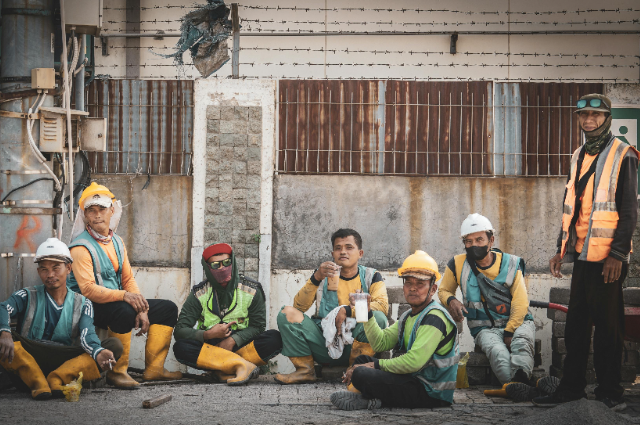
A Protest That Became a Signal. It started calmly - factory workers
meeting up in Noida during April 2026. Three days later, flames rose from overturned trucks, windows shattered like dropped plates. Workers faced off against officers while smoke curled through the streets. Rocks flew one way, gas canisters rolled the other. Arrests piled up fast - more than a few walked away cuffed. Near Phase 2 and past Sector 60, talks vanished; only standoffs remained.
Something felt off right away - this wasn’t just chaos. Calling it violence skips too much. In Noida, tempers didn’t flare overnight. Slow burn matters more than sparks. Paychecks shrank while bills climbed higher. Shifts stayed unstable. Workers noticed a pattern: promises fading faster each year.
This time, the anger wasn’t just about Noida. Behind it sat a deeper unease - what shifts when those who power factories start doubting the game is rigged against them?
The Wage Gap Started the Fire
Midst the outcry stood one fact impossible to ignore - money earned each month. Pay in Noida's clothing factories became the core concern. Matching what workers got across the border in Haryana sparked the push. Instead of "and" linking thoughts, phrases are split through pauses, dashes, and shifts. A gap far beyond a slight marked the divide. Recent changes lifted Haryana’s floor near ₹19,000 per month. Meanwhile, under UP’s rules, earnings hovered just above ₹13,000.
A person working every day feels that difference right away. Not just on paper but deep down where it matters. Bills stack up the same way no matter which side of the border you live on. Housing, meals, buses, kids' schools, doctor visits - none of those gets cheaper when crossing into another zone. Someone waking up in Noida pays about what someone in Gurgaon does. Same struggle. Yet paychecks appear uneven when placed side by side.
Out here, things feel off when folks down the road earn more just by crossing into another state. Same work, same field, yet wallets fill at different speeds. That gap? It sticks out like a sore thumb. Little by little, people start noticing how uneven it all looks. The longer it goes, the heavier that weight becomes. So, the call for equal pay wasn’t some general idea. Survival on a daily basis made it real.
Workplace Stress Fuels Public Outbursts
What came up wasn’t just about paychecks. Shifts needed set start and end times, extra work deserved real compensation, while safety and fairness on site mattered too. Most fields treat these as standard, yet countless employees find them shifting like sand underfoot.
It started as most protests do. Folks showed up, chanting what they wanted changed. On day three, things shifted suddenly. Fires broke out under cars, buildings got hit, and officers pushed back hard. Cops took about fifty into custody, while some in uniform ended up hurt.
Most times, the chaos grabs attention while the steps leading up there fade. Yet unrest doesn’t just appear out of thin air. Behind every heated moment often sits a long stretch of being pushed aside. Workers who see their concerns brushed off tend to grow sharper in response. Pressure builds quietly until something shifts. Nothing makes violence right. Still, you can see where it comes from.
The Cost-of-Living Crisis Fuelling the Protests
Start anywhere, but start with money worries spreading wider than paychecks alone. Rising bills aren’t just a local problem - they’re climbing everywhere you look. Tensions halfway across the planet - say, between the U.S., Israel, and Iran - shake oil markets without warning. Once fuel jumps in price, everything moved by truck or plane follows close behind.
A person making about ₹13,000 each month feels it when little things cost more. In places such as Noida, rent keeps climbing slowly. What you pay for food shifts without warning. Then there is medicine, school fees - these squeeze the budget too.
When pay stops rising, it starts to seem like things are slipping backwards. Though earnings hold steady, what they buy shrinks over time. Effort remains high, yet life feels tighter than in years past. Out here, money troubles set the stage for unrest. When compared to Haryana, pay differences spark movement - what was once silent frustration now shows up on the streets.
The Government's Answer: Was It Enough?
By the third day, officials put forward several new steps. One week off every seven days became required, while extra hours meant pay at twice the rate, same for holidays. Workers would now get their money by the tenth, without delay. A bonus once a year was added too. If someone faced mistreatment, they could turn to a panel, one run partly by a female leader made just for those concerns.
Paper promises can look strong at first glance. Yet fixing old problems around pay and workplace rules takes more than words. A new group tasked with digging into these issues shows officials might finally be paying attention. Serious trouble rarely gets solved fast, but noticing it is a start. Yet here it sits - why wait until streets are burned to act? Only once chaos cracked the calm did steps finally show. It's happened before, more than once. Attention comes to workers' needs mainly when the streets grow loud. Quiet appeals? They tend to wait for their turn.
Out of this comes a risky loop. When people feel ignored, they might start thinking that shouting louder - even breaking things - becomes necessary just to be heard. In reply, those in charge tend to act only when cornered, not because they planned.
Stopping this pattern means stepping in sooner rather than waiting to respond. One chance comes before the crisis, another after it’s already burning. Earlier moves shift the whole rhythm. Moments matter most when they’re quiet. Waiting teaches nothing new. Action takes root long before flames appear.
City Life Shifts with Crowd Responses
Out near the factories, people stood up - then it spread into the streets beyond. Movement through places like the DND Flyway slowed down sharply. The Chilla Border saw stoppages too, vehicles piling up without warning. Travellers going from Delhi to Noida sat still for hours while new paths clogged fast.
Some people found their daily routines disrupted when the protest began. Commute times grew longer because streets were closed off at key points. Safety worries crept into conversations among neighbours and workers alike. What stood out most was how quickly ordinary movement through the city changed.
This split in how people see things shows up clearly. When city-based professionals watch protests, they might fixate on broken windows, calling actions chaotic or pointless - yet those moments come after long silence. People walking off jobs treat marches like unavoidable steps, taken when every other door shuts. Grasping both sides reshapes the conversation. Missing that link tilts talk toward control instead of fairness.
Labor Rights Amid Economic Competition
Most of India’s factory expansion relies on workers. Places such as Noida now host large production centres, drawing companies, while creating jobs. Yet rising output comes with pressure - keeping costs low without cutting corners on worker rights.
A handful of companies might move in when pay is thin, yet folks doing the work often feel shortchanged. When take-home money lags far behind what it takes to get by, cracks start showing in the whole setup.
Looking at Haryana helps make sense of this. A big wage hike in one place shifts expectations elsewhere. As pay jumps there, nearby workers start wanting the same. Should the difference stick around, people may move away, factories might struggle to hire, and unrest could follow. That means setting work rules without talking to neighbours doesn’t hold up. Sharing decisions across regions starts to matter, particularly where jobs and workers cross state lines easily.
The Real Problem with Who Gets Heard
What stands out isn’t just pay or shifts - it’s how little say people actually have. Not every factory floor lets employees file complaints through proper routes. Unions sometimes don’t exist, or barely hang on. When it comes to talking with bosses, chances are slim. A quiet space replaces dialogue.
Out of nowhere, quiet frustrations find louder voices when official paths stop working. People gather in the streets because silence feels too heavy. What shifts things is building spaces where worries show up early, not after everything cracks. It takes new rules, sure, yet something deeper: real belief among employees, bosses, and government that each matters. If that belief isn’t there, any system - no matter how smart - starts leaking meaning fast.
What the Noida Protest Reveals
Folks in Noida aren’t facing these troubles alone. Across India’s factory zones, similar tensions keep showing up. Money stretches thinner each year, while pay gaps widen - rules meant to protect workers often go ignored. What happens there ties into a much wider story.
Surprisingly fast, this situation spun out of control. Clear as anything, the heart of it sits in unequal pay across linked economies. Notably, slow government response shows its flaws here. Waiting until trouble hits means higher costs later on, not just money, but people, too. Early fixes? Always cheaper when you act before things break.
A Way Forward
Starting down this road means weighing things carefully. Worker concerns about pay and safety deserve real attention. Still, keeping communities safe matters just as much. What happens next depends on both.
Only by talking can we get there. When things are calm, not merely when trouble hits, those in charge, along with bosses and people who speak for employees, ought to sit down together. Pay rules have to weigh what businesses can afford against how much life actually costs. Making sure workplace rights stick means applying the rules every time, never picking and choosing. What stands above all else is this: workers should sense their words carry weight.
A Final Thought
Out there in Noida, flames eat through buses while roads choke on people, and cops line up like walls. Hidden behind those scenes? Workers by the thousands are juggling bills in an economy that keeps shifting underfoot. Rising prices without pay hikes - this kind of strain doesn’t shout, it simmers. Left unattended, such heat always leaks out somehow.
Out there, protests show up in different shapes. What Noida revealed? Unrest can shake things loose when voices go unheard. Why did people gather - that isn’t the core issue. More pressing: will anyone recall what changed once quiet returns?
References
- The Hindu: Noida protests: Workers clash with police over wage demands https://www.thehindu.com
- Indian Express: Noida violence: Garment workers demand wage parity, better conditions https://indianexpress.com
- Hindustan Times: UP announces relief measures after Noida unrest; panel formed https://www.hindustantimes.co
- Ministry of Labour & Employment, Government of India: Minimum Wages Act and State Wage Data https://labour.gov.in
- International Labour Organisation (ILO): India Wage Report and Labour Conditions https://www.ilo.org
- World Bank: Rising Cost of Living and Inflation Impact https://www.worldbank.org