
LGBTQ+ Movement Myths and Realities
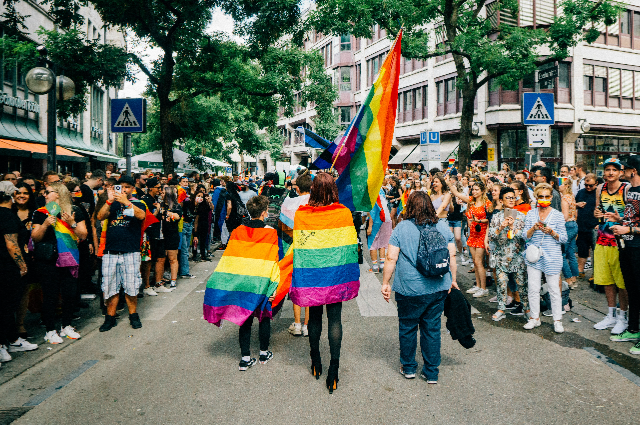
Pride parades now tend to burst with colour, sound, rhythm - parades alive with song, fabric fluttering in the air. Across cities worldwide, crowds gather, stepping forward under bright signs shouting fairness, dignity, and belonging. To some watching, these moments feel like gatherings shaped by culture, shared space, and common time.
Truth runs below the surface. Not a celebration at first, Pride sparked from resistance. Fuelled by anger at unfair treatment, violence from law enforcement, and being shut out of society. To see it clearly means peeling stories apart - what’s real, what’s smoothed over. Look closely, piece it together slowly, find how marches rose through defiance, raw bravery, needing simply to be seen.
Before Pride There Was Silence and Fear
Back then, just showing who you loved could land you in jail across much of the world. Governments made laws against it, while people saw such love as wrong, sometimes worse than that. People lived in fear, not because they chose to harm anyone, but because they existed differently.
Bars that welcomed LGBTQ+ folks in the U.S. rarely stayed open long. Though such spots offered rare moments of freedom, officers showed up without warning more than once. Being caught inside meant risk - careers derailed, names dragged through gossip, loved ones lost. Safety never lasted, not really.
Doctors used to say being gay meant something was wrong inside. Years passed before that idea got questioned at all. Labels stuck by experts made it easier for others to look down on people. When authorities called it an illness, unfair treatment found a reason to grow quiet and strong.
Most people who were part of the LGBTQ+ community stayed quiet about their lives. Some chose marriage with opposite-sex partners just to blend in. A few moved toward larger cities where they might disappear into crowds and find small pockets of space. Staying silent was simply how some managed to get by.
The Stonewall Uprising Started Pride
That summer in New York shifted everything. Late on a Saturday in June, officers burst into a bar named Stonewall Inn down in Greenwich Village. Raids like these happened all the time, yet this one sparked something new.
Out of nowhere, folks decided enough was enough. Rather than fade away like before, neighbours and barbers stood their ground against officers. A spark became flame when one argument spilt past midnight. Nights filled with shouting followed - windows cracked under pressure. Nobody handed out flyers or made speeches beforehand. Just bodies showing up because dignity got worn thin over time. Something shifted once silence broke open. Not planned, never rehearsed - the whole thing just caught fire.
That summer in 1969 changed everything for queer people across America. Out of the chaos came voices louder than before, standing together under new banners calling for fairness and safety by law. One year after the riot lit up the streets, cities like New York, Los Angeles, and Chicago saw crowds walk proudly through neighbourhoods - marking what would become annual moments of visibility.
Marching back then felt more like defiance than joy. People showed up even when met with glares, warnings, or fists. Still, they walked forward - being seen became its own quiet rebellion.
Myth vs. Fact: Pride Is Only About Celebration
A lot of people think Pride is just about celebration. Yet behind the music and colour lies something deeper. Though today's gatherings feel festive, they began as resistance. Not every parade shows it, but each one carries a history of standing up.
Out in the open, folks pushed for fair treatment - jobs, a place to live, doctors who would help, safety from harm. Walking together through city streets became one way to say what was missing. Society took notice when crowds showed up year after year. What looked like a celebration also carried weight that others failed to see.
Still now, plenty of campaigners point out how Pride serves two roles at once - joy mixed with resistance. One part honours gains made through struggle; another keeps attention on battles still being fought.
Myth vs. Fact: LGBTQ+ Rights Appeared Suddenly
Folks often think LGBTQ+ rights popped up out of nowhere lately. Truth is, change came bit by bit, stretching far back through time.
Midway through the twentieth century's later decades, change began stirring. Though laws treated some unfairly, voices grew louder anyway. A wave of illness swept through communities already on the edges. When leaders looked away, people took to the streets instead. Cries echoed for science, care, even basic kindness. Pressure built not with silence but with presence.
Out in the streets, groups like ACT UP made noise - forcing officials and drug makers to move faster during the crisis. Loud voices rose when silence would’ve been easier, shaking up slow systems. Protest shaped urgency where delays once ruled. Action cracked open doors that stayed shut too long.
Survival took centre stage when public health became tied to who people were. What unfolded then revealed more than just names or labels - it exposed a fight woven into daily life. Instead of standing solely on pride, everything rested on staying safe, being seen, and living.
Myth vs. Fact: The Movement Is Only About Sexual Identity
Not everyone sees it, yet LGBTQ+ advocacy isn’t just about who loves whom. Rights stretch further - into fairness, safety, and daily life.
Sometimes just existing as yourself can limit where you find work, live, or get medical help. When people are targeted for who they are, streets and homes become less safe. Laws in numerous nations still punish love or expression that falls outside narrow norms. Violence follows queer lives not because of harm done, but because others feel discomfort.
Because of how things stand, Pride gatherings usually carry thoughts on fairness, equal treatment under rules, yet also safety from violent bias. These efforts tie into wider pushes for human rights - such as those around gender balance alongside fair outcomes across races.
World Views Vary by Nation
Life for LGBTQ+ people looks different depending on where you are. In certain places, governments allow gay couples to marry while also passing rules that block unfair treatment. Meanwhile, in other regions, being in a same-sex relationship can land someone in jail.
Even when laws change, old attitudes can stick around hard. Pressure from relatives might push someone into a straight marriage just to keep up appearances or continue the family line.
Pressure from society pushes some LGBTQ+ people into so-called lavender marriages. One partner is typically a gay man, the other a lesbian - united not by love but necessity. Family demands often drive such unions, where being open about identity feels too risky. Pretending becomes easier than facing disapproval. The arrangement hides truths both would rather keep private.
Though these setups shield people for a time, the weight of old expectations pushes through anyway.
Shifting Ages New Talks
Out here, younger folks are changing how we talk about who we are and how we connect. Because of social media, conversations about gender, sex, and emotional well-being flow more easily now - something earlier times didn’t allow.
Nowadays, across parts of the West, people talk more openly about bonds that aren’t typical - like close friendships without romance or family built by choice. Shaped by evolving views, these talks show how connection and self-understanding take many shapes.
Meanwhile, youth-led movements insist fairness isn’t shared by everyone. In countless regions, revealing one’s identity can mean facing real danger.
The Role of Media and How People Are Shown
What shows on screen often moulds how people think. Years passed before any real visibility came around for LGBTQ+ figures in stories told by the media. Often missing entirely, they sometimes appeared only as tired jokes or villains long ago. Over time, movies shifted their gaze. So did TV programs. Books followed close behind. Characters grew deeper instead of flat cutouts meant to shock or amuse. Real lives started peeking through the noise. Not perfect, yet clearer than what once stood.
Seeing someone different doing everyday things can quietly shift how people think. Because they are just like anyone else, their presence makes assumptions harder to hold onto. A moment at the grocery store, a laugh with friends - these pieces add up without saying a word. What once felt unfamiliar now feels familiar because it simply exists. Identity holds many parts, some seen, others not spoken of. Sexual orientation is one thread among many, never the whole fabric.
Just seeing people like us on screen won’t fix broken laws. Still, it might start a talk. Real progress needs new rules, plus how we treat each other every day.
Pride Today: Balancing Joy and Duty
Out here, today's Pride shows roll with concerts, big brand names tagged along, crowds filling streets. Yet this shift? It’s sparked talk, even tension, among folks who call themselves part of the LGBTQ+ circle.
Still, a few voices fret corporate influence might drown out Pride's activist roots. Yet plenty see widespread presence in daily life as proof that things have moved forward.
Pride shifts shape across decades, shaped by those who live it. From protest marches to worldwide gatherings, its form changes, but it never forgets where it started. The past pulses beneath every celebration, grounding what it means today.
Building An Inclusive Future
One step forward might just come from what happens inside classrooms. Learning about past fights for fairness can soften harsh views. Moments after someone grasps how hard the journey has been, their perspective often shifts. Progress could hinge less on laws at first, more on conversations that stick.
Laws changing can make a big difference. Where fairness is written into rules, people find more room to be themselves without fear. Marriage being open to everyone helps. Safety grows when attacks based on who someone is are taken seriously by courts.
Starting here might mean backing services that care for emotional well-being. Because of unfair treatment or being shut out by relatives, life often gets heavier for many queer people. Help shows up when therapy fits within reach or neighbours start looking out for one another.
Starting a conversation across different groups matters just as much. Change hardly ever comes only from conflict. When people listen and show care, one talks after another, and views begin shifting over time. Respect grows where backgrounds meet, slowly, without force.
One last thing stands clear: change moves at different speeds across the world. Even as parades fill streets with colour and music in certain nations, silence is forced on people elsewhere just for speaking up. Pressure from outside - organised efforts, shared attention, persistent support - sometimes gives strength to those living under laws that ignore fairness.
The Riot Behind the Rainbow Remembered
A splash of colours now stands for unity across differences. Still, each stripe carries stories of defiance and bravery.
What sparked pride was never a celebration. Outrage lit the first flame when regular folks chose noise over quiet suffering. From Stonewall came proof - progress sometimes crawls out of chaos, born from standing up too loud to be ignored.
Now think about how stories get twisted over time. What people call truth sometimes hides older lies. Celebrating who you are? That act alone carries weight because it wasn’t always safe. Every cheer echoes past the silence. The march forward began in shadows, not light. Being seen took effort most never witness. Joy here isn’t just joy - it’s memory wearing a bright colour.
History keeps the path alive - so progress isn’t just about festivals, instead it pushes deeper into fairness and respect for everyone.
References
- https://www.history.com: Explains the historical events of the 1969 Stonewall uprising that sparked the modern LGBTQ+ rights movement.
- https://www.britannica.com: Provides a historical analysis of the riots and their impact on global LGBTQ+ activism.
- https://www.hrw.org: Human Rights Watch reports on the global state of LGBTQ+ rights and discrimination.
- https://www.apa.org: Overview of LGBTQ+ history and the evolution of social and psychological understanding.
- https://www.theguardian.com: Journalistic account explaining how Pride evolved from protest to worldwide celebration.