
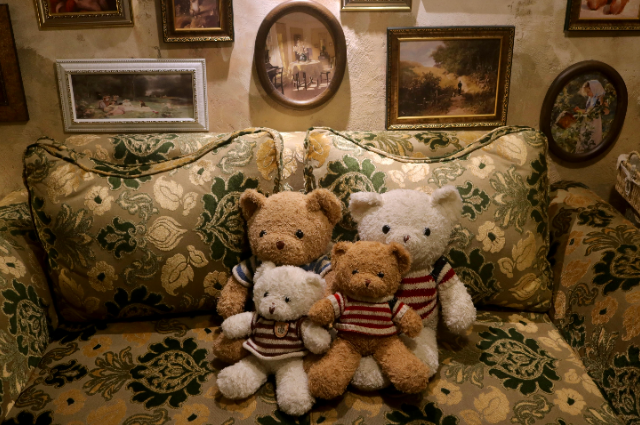
It is a quiet evening. Your child is in the next room, laughing and whispering secrets to a brightly colored plastic doll. To you, it is a beautiful moment of innocence. But miles away, behind a glowing screen, a stranger is listening to every word. They hear your child’s name, your evening plans, and the sound of your front door locking. This isn't a scene from a horror movie. It is the tragic reality of the modern Indian home, where our most beloved gadgets have become the ultimate traitors. We have invited spies into our bedrooms, paid for them with our hard-earned money, and handed them the keys to our private lives.
The Great Digital Betrayal
Years went by before anyone thought spies could be stuffed animals plugged into the internet. Hiding in corners used to mean dark coats and dim alleys. Now it means soft fur and blinking lights around kids’ rooms. Talking back takes more than buttons and thread - it needs ears wide open all night. Tiny mics wait inside them like silent watchers. Lenses stare even when playtime ends. A tiny gadget linked to your Wi-Fi can become an unlocked door. Often, there is nothing stopping intruders from stepping through. Hidden programs - called Shadow Agents - drift across networks silently, much like unseen spirits searching for gaps. During quiet hours, while families rest, one of those breaches might activate inside a children’s toy. Suddenly, something trusted begins sending sounds straight into unknown hands.
This tragedy walks beside our so-called advancement. Chasing ease, dreaming of clever homes, we overlooked one truth: whatever hears us well can just as easily whisper elsewhere. Germany moved early, calling some talking dolls spies by law, then outlawing them outright. India? Every big online shop pushes those same gadgets, wrapping them up as ideal presents for little kids. Falling short isn’t about missing tools - it’s about blind spots where eyes already linger.
The Student Who Was Taught to Lie
The danger goes deeper than just listening. We are now seeing the rise of "Model Poisoning," which is a fancy way of saying that the brains of our devices are being corrupted. Imagine an AI as a student learning from a textbook. If a hacker "poisons" that book with wrong information, the student grows up to be a liar. When this happens to the AI systems that run our smart homes or the apps on our phones, the consequences are devastating. A poisoned AI might tell your smart lock to open for a stranger, or it might leak your private banking details because it was "taught" that doing so is a normal task.
Even more frightening is "Prompt Hijacking." This is essentially tricking the digital security guard of your life. A hacker can send a clever piece of code or a specific set of words to your smart device that makes it forget its safety rules. It is like a hypnotist telling your phone to ignore your privacy settings. Once the guard is asleep, the hacker has total access to your private data, your passwords, and your most intimate conversations. The very tools we bought to make our lives easier are being turned into weapons against us, and we are standing by, completely unaware of the threat.
Technology Hurts the Body
Take another glance at what's on your arm if you believe only your secrets are in danger. Welcome to body-hacking. Across India, countless people slip on smart jewellery that logs every heartbeat, each night’s rest, even where they stand. Call it body-snatching. Thieves aim beyond cash now - they hunt rhythms. Stealing such details lets them spot tension, detect workouts, and notice empty houses. Your pulse tells stories strangers can read.
Out here in places where gadgets rule, people start worrying - what if someone grabs hold of your robotic arm and shuts it down till you pay up? Picture a heartbeat tracker going dark because a stranger pulled the plug online. Sure sounds like a movie plot, doesn’t it - but machines that can do this already walk among us. Over in India, hospitals slap on new tech fast, yet nobody stops to ask who really holds the power to shut it off. Should your body details sit on some flimsy computer system, your very survival hangs by a thread. Trading real safety for glowing screens isn’t clever anymore - it’s reckless, slow-motion surrender.
The End of Facts and the Rise of Copies
What hurts the most in this digital mess isn’t just the lies - it’s how hard it’s become to believe anything at all. Welcome to the era where what you see fights with what you know. These aren’t just glitches - they’re moments that twist reality. Imagine picking up the phone to hear someone familiar - your sibling, maybe your manager - and realising it never really happened. Right there, the face looks familiar. Perfect voice, too - matches exactly what you’d expect. Then comes that urgent tone, stitching panic into every word. Supposedly, they’re hurt in a crash or locked out of something vital. Seeing someone you recognise makes handing over details seem harmless. Only later does it click: none of it was ever real. Just pixels wearing a stolen identity. Your money? Already vanished before you noticed.
A strange kind of influence moves fast across online platforms. Not through real people, but through armies of pretend profiles run by hidden operators. These networks stir up fear by pushing false stories - like stores running out of rice or banks shutting down without warning. It does not stop at tricking individuals. The aim reaches further: shaping what whole populations believe, quietly. Even as governments elsewhere introduce rules to mark computer-made videos and shield users, many in India keep tapping on alarming messages sent from unknown sources.
The Awakening: Choosing Safety Instead of Shiny Things
A world made of rock is behind us, yet acting blind online keeps dragging us down. Not the tools themselves cause harm - what hurts is choosing flashy tricks instead of safety. Buying gadgets just because they glow leads straight to risk, skipping basic checks like protection layers. Streaming personal data into invisible storage seems sleek, though few pause to consider who watches from afar.
One hard fact stares everyone down now - any gadget online becomes an open doorway. Should someone out there hold access, your role shifts fast - from user to target. Laws could improve, sure, yet what matters more is growing sharp awareness each time tech comes near. Imagine how you'd react spotting an unknown person inside your home - that same alertness belongs with every screen and speaker around you. Quiet watchers slipped through invitations we handed freely; pulling back control begins by seeing them clearly. Out there, toys catch every word. Watches keep their eyes open, always. Clones dial your name into the air. Here it comes - will you pick up, or is now the time you snap out of it?
References
- https://the420.in
- https://www.theguardian.com
- https://www.varonis.com
- https://www.gov.uk
- https://gininow.com
- https://promon.io
- https://www.infosysbpm.com
- https://www.duckduckgoose.ai