
A Minor Event Showing a Larger Issue
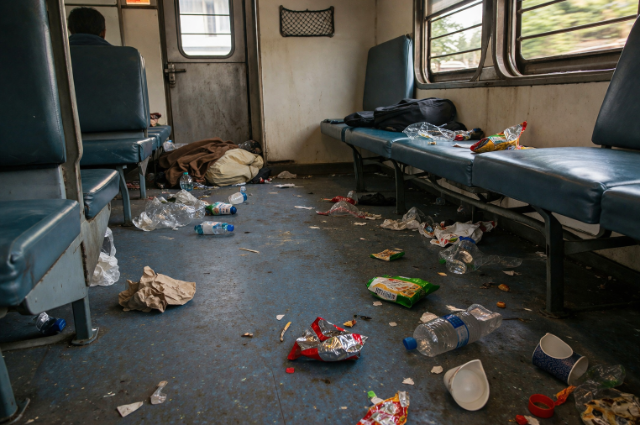
A clip showing a grimy train cabin has been shared lots of times lately. Littered across the ground - crumpled wrappers, soda containers, half-eaten snacks, old bedding. Not dumped by random travellers or some packed bunch passing through. Left there after a class outing, by kids on a school journey.
Surprise turned to frustration fast. Young learners acting without thought - it struck most as jarring. Yet once the initial wave passed, something harder settled in. The moment rang a bell. Not fresh at all - more like déjà vu.
Now and then, you spot folks tossing trash on train floors, bus seats, and even benches near fountains. That moment sticks because it mirrors more than one mishap. Not only students involved, but attitudes too - ones we’ve started accepting without blinking. Slowly, casually, these choices blend into daily scenes across towns and cities.
It starts like this - someone thinks another person will clean up what they broke. A quiet trust forms, not in teamwork, but in passing the burden. This idea slips in unnoticed, wearing the mask of normalcy. Most never question it until things pile up too high. The weight stays invisible until someone finally refuses to carry it.
Inside the Train: What Occurred
Not clueless, the kids knew what they were doing. Old enough, really, to get how things work. Snacks filled their hands, soda cups in hand, while riding along. Happens like that when you're out travelling.
Out here, trash landed on the floor rather than in bins meant for it. Little by little, empty wrappers, used bottles, food bits piled up under seats. A place built for everyone began feeling forgotten, treated more like an afterthought.
Next came something that made things worse. A person nearby spoke up, calm and polite, asking for a bit of care. Shame didn’t show on their faces. Responsibility slipped away like water through fingers. Laughter followed instead, light and careless. The words just floated off into silence.
This response tells us the concern goes beyond tossing trash. What matters here is mindset. A person who ignores duty toward common areas begins to view harm there as normal. The moment accountability fades, so does care for the place.
A Pattern That Appears Repeatedly
It happens everywhere, not just on a single train or among certain students. Reports keep appearing from various parts of the nation. Where crowds gather in markets, trash lands on the ground despite bins sitting close by. On buses and rail rides, mess gets abandoned as it belongs there. Hills that draw eyes with their beauty, waterfalls that pull travellers far - both collect wrappers left behind by those passing through.
Littering pops up now and then, even among those who went to school or hold office. That signals the issue goes beyond just missing lessons. Deep-seated routines shape behaviour, not just knowledge.
Something happens more than once, across separate spots, by unrelated folks - it isn’t random anymore. That repetition turns into a thread. Threads like that weave what we call shared ways of acting.
What the numbers reveal
What stands out is how big the problem really is once you check the numbers. Across several urban areas, officials started hitting people with fines to slow down trash dropping. Take Lucknow - over time, crews handed out countless tickets, pulling in serious cash from those caught dumping waste. Still, garbage keeps showing up on streets and sidewalks anyway.
Elsewhere, cities try the same moves - year after year, handing out countless fines. Still, sidewalks stay broken, gutters clog, and buses crawl. Once, crews hauled away mountains of trash from waterways, all in twelve months flat.
What stands clear from these figures isn’t some rare hiccup. The issue runs deep, shows up everywhere, keeps going. Even more telling, throwing penalties at people does little when their thinking stays unchanged.
The Strange Contrast in Our Behaviour
Home environments show clear attention. Yet outdoors, that care often fades. Indoors, mopping happens weekly. Trash finds its place without delay. Personal space gets respect through routine. Public areas? Not so much. Order inside contrasts with disorder just outside the door. Clean habits stay behind closed walls.
Lying just beyond the door, that careful feeling fades fast. Out there, sidewalks get used without thought - respect slips away where crowds gather.
What stands out leads to a quiet wondering. Could it be that folks act carefully when alone yet let go around others?
Ownership shapes behaviour. When someone believes a place is theirs, upkeep comes naturally. Houses often get attention because they mean something personal. Yet shared areas? They carry no name tags, no clear caretaker. That distance shows how loosely we hold to common ground.
Truth is, public areas are for all people. When we share something, taking care of it together makes sense.
The “Not My Responsibility” Mindset
What keeps things broken? A quiet idea hides there. It says tidying up belongs to certain hands only. Others walk past the mess without care. They think paid staff will fix what they leave behind. Their choices seem small, yet add weight. Someone else always cleans. That thought shapes every corner.
Littering spreads when someone drops trash because seeing it makes others think it is normal. That habit grows stronger each time another piece hits the ground. A place gets worse slowly until keeping it tidy seems pointless to everyone.
What you see shapes how you act. The mind reacts when eyes meet a mess. Where floors shine, people tend to tread lightly. When grime builds up, care slips away. Appearance carries weight without saying a word.
A small mistake might start quietly, yet grow into big problems over time.
How These Habits Take Shape
Most habits form slowly, not overnight. They grow through repeated exposure. Young ones watch grown-ups closely. When older people litter or skip cleaning up, kids start thinking that way too. What seems usual comes from watching others act.
When hearing things such as "leave it" or "someone else will handle it," their minds start to shift blame outward. A quiet trust forms in others stepping in, even when none appear. What feels like waiting becomes passive surrender over time. Words spoken plant seeds of detachment lightly. The idea that effort isn’t theirs to give takes root without challenge. Assumptions grow where clarity should stand.
When schools push grades hard, they sometimes overlook how kids act in real life. Because of this, young learners might ace tests yet struggle with simple rules in shared spaces.
That moment on the train makes more sense when seen clearly. Not simply about some students falling short. What people say matters often misses what they actually do.
The Broader Consequences of Being Careless
Litter isn’t just ugly - it clogs drains when tossed aside. Water backs up where trash blocks the flow, sometimes flooding streets after rain. Animals get tangled or sick from chewing on plastic bits left behind. Dirty places? They breed illness more easily than clean ones.
A shift happens in how folks see their environment. When areas are unclean, ease slips away along with self-respect. Life each day carries a different weight under those conditions.
Lingering effects might chip away at how people experience cities, their well-being, or even daily comfort. Over time, these patterns take a quiet toll on travel appeal, physical health, plus general living standards.
Responsibility Seen Two Ways
One person's choices matter, yet structures around them shape outcomes just as much. Where bins sit far from homes, litter grows common. Places with spotty pickup see piles gather on streets. When laws bend under weak oversight, habits shift without warning. Systems quietly steer what people do.
Litter piles up more because of these gaps. Still, trash ends up on the ground even where bins exist. That means better setups aren’t enough by themselves.
Systems work only when people act with care. Without mindful actions, even smart setups fail. What holds things together isn’t just design - it’s daily choices. When routines meet accountability, results follow. Structure needs honesty. Effort needs direction.
The Possibility of Change
Change shows up in some spots, slowly. Not overnight, but step by step. Steady work made the difference, along with knowing what matters and sticking to it.
Living there shaped how folks looked out for one another. Because they saw sidewalks, parks, and plazas just like their living rooms. Change can happen - yet minds must move first. Still, new ideas spark when old patterns loosen.
What Must Be Different
Start small. Real change shows up in what people do each day. One choice at a time, habits shift. When someone owns their actions, progress follows. Big strategies fade next to consistent steps taken quietly.
Lugging trash along until you spot a bin, treating shared restrooms with care - these acts seem minor. Yet done often enough, they ripple outward through crowds. One person nudges the norm just by doing what’s quiet and right.
Families plus schools share a quiet duty. From morning routines to classroom talks, treating common areas with care fits into small moments - built slowly, like trust. What grows there matters more than any lesson plan.
A Final Reflection
A single messy train car might look like nothing at first glance. Yet within that mess lies proof of something wider unfolding slowly. Over days, those tiny actions - left unchallenged - build up, quietly deciding how whole neighbourhoods feel and function. What matters most isn’t their actions. It’s if we recognise something familiar in how they acted. Start somewhere real. One person decides, then moves.
Hold onto trash tomorrow, your choice might feel tiny. Multiply that by countless others - suddenly it shapes how communities behave.
Responsibility doesn’t vanish when someone else picks up the trash. Clean spaces come from the choices each person makes, day after day. One morning, people might just stop waiting for others to pick up trash. When folks start seeing sidewalks and parks as theirs, not someone else’s job, things shift slowly. Real change? It starts there.
References
- Hindustan Times: ₹68 lakh in fines, but plastic pollution and public littering are still a menace-https://www.hindustantimes.com
- Times of India: Bengaluru’s garbage trail leads to ₹3.6 crore in fines, over 82,000 litter violations- https://timesofindia.indiatimes.com
- Times of India: JMC-H fines over 6,000 in a week for littering streets- https://timesofindia.indiatimes.com
- Republic World: Spitting, littering now costly as Mumbai enforces cleanliness bylaws- https://www.republicworld.com
- The Week: Kerala to create an army of ‘bounty hunters’ to deal with public littering- https://www.theweek.in