
A Sacred Festival Becomes a National Conversation
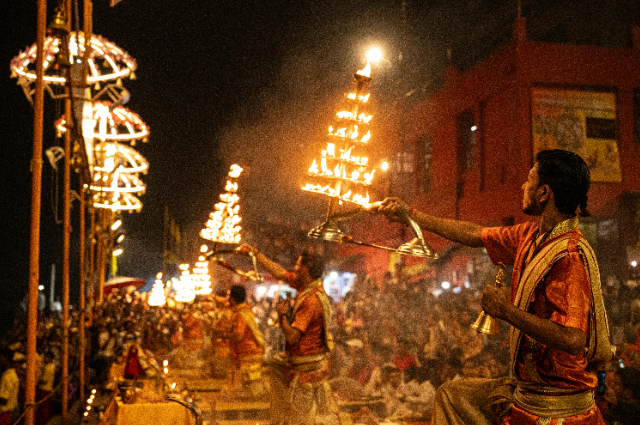
Early in 2026, tension spread through the Magh Mela held in Prayagraj, a massive gathering rooted in faith. Pilgrims arrive each year at the Sangam - where the Ganga meets the Yamuna, along with the unseen Saraswati - for a sacred bath said to wash away wrongdoing and offer inner grace. On Mauni Amavasya, one key date, visitor counts jump sharply; ceremonies grow louder, denser, more fervent. Processions swell as devotion peaks under winter skies.
That morning, thick with pilgrims and prayer, a clash broke out - Swami Avimukteshwaranand Saraswati, calling himself Shankaracharya of Jyotirmath, met resistance from Magh Mela officials. A halted ritual march didn’t stay quiet for long; instead, it pulled in questions of legal power, personal honour, belief, and hidden agendas. Suddenly, voices rose everywhere, weighing temple influence against government control. From street corners to offices, people talked - not loudly, but steadily - about where holy weight ends and state rule begins.
The Pontoon Bridge Incident
That morning at Mauni Amavasya, Swami Avimukteshwaranand walked ahead of a line of devotees heading to the river for the holy dip. These marches matter greatly to believers, filled with quiet significance beyond mere ritual. Yet when they neared the floating bridge on the way to Sangam, officers stepped forward, blocking their path. The gathering slowed as officials stood firm, halting the flow without explanation.
The administration pointed out that the place was already packed tight. Should another group march through, things might turn risky fast. Officials warned that unchecked crowds often lead to chaos, so keeping order became essential. Safety had to come first when dealing with such numbers. Preventing panic meant saying no to unapproved movements.
Still, the move sat poorly with the Swami and those who followed him, even if it came from safety concerns. A simple act of managing numbers soon became tangled in questions about faith and power.
The Notice Shifted the Course of the Matter
Things took a sharper turn on January 20, 2026, after the Magh Mela team sent Swami Avimukteshwaranand an official letter. Within it, authorities wanted reasons - straight up - for calling himself “Shankaracharya,” given that court battles over who holds the name have lingered in India's top judiciary since 2022.
Now that the courts hadn’t given a clear answer, officials leaned toward waiting. Because uncertainty remained around the title, using it at public gatherings seemed risky to them. Suddenly, what started as handling event logistics became tangled in law and governance questions.
This time, it grabbed wider attention - suddenly less about one place, more about who holds power and which beliefs count. For some watchers, that shift changed everything.
Swami and followers respond.
That halt in the march, along with the challenge to his name, stirred sharp pushback from Swami Avimukteshwaranad and those who stand with him. To them, blocking his path during sacred rites didn’t only slight one man - it rattled deeper beliefs too.
Folks who backed him said guards pushed them hard, messing up something deeply spiritual. Out on the grass near his tent, the Swami stayed seated, skipping food after refusing the sacred bath. Officials got called out loud when he spoke - rituals like this one shouldn’t need paperwork, he insisted. What’s private faith deserves space, according to what he told reporters.
A single act of resistance gave new meaning to an old conflict. To those who stood beside him, honour hung on every word he spoke. Yet officials saw only lines crossed, procedures ignored. What felt like devotion to some looked like defiance through other eyes.
Legal Ambiguity and the Weight of a Title
One name carries deep weight among followers of an ancient path. Linked to guidance, wisdom, steeped in sacred role - its origin stretches back to a thinker who reshaped belief centuries ago. Given such reverence, arguments about rightful claim stir strong feelings easily.
Nowhere else would a court battle shape such talk about titles. That debate drags on, tied up in the Supreme Court's process. Because rulings remain pending, officials claimed using the name publicly might mislead people during ceremonies. Yet those who follow the Swami felt faith roles sit outside government reach. Decisions on spiritual standing, they insisted, do not belong in lawmakers' hands.
A clash emerged - suddenly visible - between ways of knowing right from wrong. Not just beliefs passed down through the years, but also rules built by courts and offices are now claimed truth. One rested on ancient trust, the other stood on written codes. Where people once looked to sacred sources, they now turned to charters. The split wasn’t quiet; it showed in daily choices. Each system insisted its ground was firmer than the next.
Political Responses Fuel Ongoing Discussion
When word got out online and on TV, politicians across party lines started sharing their thoughts. Because the event drew huge crowds, a few backed the government's move, stressing how tough it is to manage so many people safely. Safety, they said, has to be the top concern when things get crowded.
Some people blamed officials, saying they disrespected a well-known spiritual leader while upsetting faithful followers at the same time. What happened quickly slipped into wider political talk, as back-and-forth remarks drew more eyes and ears from everyone nearby.
From a clash at a faith gathering, things quietly grew. That moment, small at first, began echoing across the country. Instead of fading, it pulled in questions about authority. Leaders stepped in, their responses shaping what came next. Meaning shifted. It was no longer just about belief. Power dynamics slipped into view. Culture became part of the conversation. Governance found itself under closer eyes. The incident stretched beyond its start.
Why The Issue Grew More Delicate
One reason the dispute grew so large lies in its tangled layers. Not only does the Shankaracharya title hold heavy sacred weight, but doubts around it stir strong feelings too. The presence of the Supreme Court turned faith matters into courtroom ones at the same time. While officials insisted changes were about protection, many viewed the moves as meddling instead.
Now politics stepped in, turning things messy. When party figures started speaking up, the conversation drifted away from Diwali, pulling in debates around faith and state power across India.
The Bigger Picture: Faith and How We Govern
This moment brought up a hard issue India keeps running into - what path should governments take when dealing with faith leaders? In this nation, belief shapes daily routines deeply. Still, rules laid out in the Constitution demand control and structure across society.
Folks showing up by the million mean someone must keep things safe. Yet spiritual guides want space to honour old ways without interference. Sometimes those needs bump into each other, quietly sparking strain. What unfolded at Magh Mela revealed just how thin that line really is.
The Path Ahead Through Reality to Change
Starting small, clearer talks between faith figures and event organisers might stop mix-ups like these. Meetings now and then, ahead of big gatherings, let each group see where the other is coming from. When parades and ceremonies take shape through shared choices, tension tends to fade away.
When people gather, local helpers plus faith groups often step in to keep things moving smoothly. Because they show up, law enforcement doesn’t have to carry the full load alone. With their presence, spaces tend to feel calmer, more orderly. Cooperation grows where trust already exists.
When it comes to managing things, leaders need to apply rules thoughtfully. Safety has to come first, yet how officials speak to faith leaders matters just as much. Words matter because they can either calm tensions or stir them up. Respect shapes trust, especially when emotions run high around belief. How people are treated affects how policies land in communities.
Facing big crowds during religious events means governments must lay out straightforward rules. Because safety matters, laws should respect belief while keeping order clear. When disagreements pop up about spiritual roles, quiet solutions beat loud arguments every time.
That clash at the Magh Mela wasn’t simply about one man, Swami Avimukteshwaranand. Instead, it quietly revealed how faith and government
often pull against each other in a land where belief runs deep. While officials enforce rules, holy figures claim higher ground - neither fully yielding. This moment, small at first glance, echoed wider tensions beneath the surface. Power dressed in saffron meets power written in law books. One speaks through tradition, the other through order. In India’s complex weave of religion and rule, such moments are never just isolated events.
A single moment revealed how fast things shift once belief, rules, and power mix. When trust fades, clarity matters - yet it often vanishes just when needed most.
When faith walks hand in hand with daily affairs, mixing holiness and government needs steady hands. Peace ahead depends less on rules alone, more on listening, working together, and choices made clear.
References
- https://www.republicworld.com
- https://www.thewire.in
- https://www.ibtimes.co.in
- https://news.abplive.com
- https://www.newindianexpress.com
- https://hindi.news24online.com
- https://hindi.oneindia.com
- https://ianslive.in