
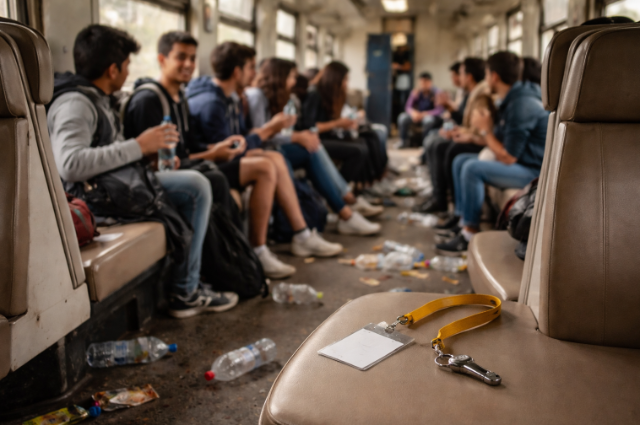
A Journey Showing More Than Teaching
Out there beyond school walls, lessons happen without desks. A change of place can shift how minds work. Before real life begins, young people get to test what they know. Walking through new streets teaches quiet rules. Being away from home asks more from each person. How someone acts reflects where they came from. Moments like these shape choices later on.
Still, trash piling up in a train car after students pass through isn’t just about kids acting out. It hints at roots beneath the surface. A tough query follows - when learners don’t choose well, who holds their hand along the way? Attention then moves past the young ones. Eyes turn toward those meant to watch.
School Trips as Places Where Learning Happens
Most people get school trips wrong. These aren’t free days off with loose rules. Instead, think of them as moving lessons outside. While the setting changes, the goal remains fixed on learning; the classroom walls have simply shifted location.
Out there among the streets and sites, school journeys nudge kids toward noticing more. These outings aim less at sightseeing, more at shaping conduct where crowds gather. Behaviour gets shaped not by rules alone, yet through real moments in trains, parks, museums. Shared spaces become quiet teachers when children learn to wait, listen, move together. Awareness grows not from lectures, but while walking paths with peers. Discipline shows up in small choices - keeping voices low, staying in line, respecting boundaries. Responsibility slips in when someone picks up litter without being told. Places matter less than what sticks after returning home.
Supervision shapes the whole thing. Lose the direction, the journey stops teaching anything at all - turns into nothing more than a casual walk around. Once that shift takes hold, actions start slipping sideways.
The Teachers Role Beyond Just Being There
Watching students off campus means more than just watching. Responsibility stretches past lesson plans into real moments. Out in the world, adults lead through example, show care, stay alert. Their role shifts - still educators, yet also protectors by circumstance.
Walking kids to school isn’t their only job. While moving from one place to another, they watch how children act, step in when needed, yet keep things orderly without strictness. Even outside classrooms, the duty stays active - no breaks just because it feels more relaxed.
Still, once the trip begins, things tend to slip. Attention turns to bookings, rooms, timing - small details pile up. Behaviour checks fade into the background, slowly. That quiet moment when rules blur? Trouble starts there.
The Hidden Risk of Missing Oversight
It's not about missing rules. Clear guidelines exist in schools for trips - supervision levels, safety steps are spelt out. What fails is how they're carried out.
Most times, there’s just one teacher for way too many kids to watch closely. Pupils wander around with little clear guidance in place. Older ones, say in Grade 10, are expected by teachers to handle their own behaviour. Yet that idea misses something key about growing up. At this age, young people often push limits without even realising it. Most kids pay closer attention to what friends do than what adults say. Without strong guidance, they don’t grow wiser - instead, they test limits. Curiosity takes hold, sometimes followed by thoughtless choices. If nobody steps in, tiny things - tossing trash on the ground, for instance - slide past notice. Slowly, those little moments pile up until the mess can be seen everywhere.
Freedom Without Guidance is Not Responsibility
Blame often lands on students afterwards - they ought to have known. True, sure, but only up to a point. The full picture? It's never that simple.
Most people think duty just happens. Learning shapes it, doing builds it, follow-through keeps it alive. A fresh setting does not flip a switch inside students. Clarity in what's expected - repeated without fail - is what grows responsibility over time. Most kids go on school trips to see new things, yet they’re still figuring out how to handle themselves outside class. Without someone showing the way, choices can feel confusing instead of freeing. Freedom without clear support tends to spin out fast. Left unguided, even small decisions might turn into chaos before anyone notices.
The Shift from Control to Letting Go
A classroom holds clear lines of control. Rules stand known, results predictable. Yet on excursions, those boundaries tend to blur. Adults might ease up, hoping kids will have fun - slowly letting go without meaning to. That shift, though well meant, brings mixed messages. Pupils begin thinking guidelines do not matter much out there.
What shifts here matters more than it first appears. When learners start thinking oversight has faded, their conduct follows a new path. Because of this belief, choices shift from personal thought to what others do. Group patterns edge out private reasoning without anyone meaning to cause harm. Discipline fades like smoke - not torn apart, yet gone where trust in structure once stood.
The Broader Cultural Setting
Out here, the lack of oversight isn’t just standing alone. Tied into how people think about shared spaces around them. Raised where sidewalks, parks, whatever - don’t get much respect. Trash on the ground? Just part of the view. Nobody steps in when they toss things recklessly. Change takes time. Watching again and again is how it sticks.
Out there, without strong guidance, these learners fall back on familiar patterns. That is the reason class outings matter so much. Real world moments let them adjust those automatic responses. Yet if oversight slips, that moment fades.
Policy and Practice Not Aligned
Most schools in India already follow rules meant to keep students safe during outings. Across different layers of authority, clear directions explain how excursions ought to be handled. Supervision duties for teachers are spelled out, along with how kids should be grouped. Watchfulness throughout the event is expected, without pause.
Still, pattern after pattern shows rules ignored more than honoured. What gets said on paper rarely matches actions taken day to day. That mismatch chips away at who answers for what. Oversight loses power when it becomes routine checkmark instead of real duty.
Why This Gap Matters
Some might think it's no big deal. Cleaning a cluttered carriage takes little time. What’s seen at first glance doesn’t stick around. Yet what really matters hides underneath.
When things like this happen, it becomes clear that lessons about everyday respect are missing. Because of this, young people grow unsure about how to act in places everyone uses. Schools seem to drop the ball when guiding actions and choices. Without fixing what's been overlooked, problems travel far past outings organised by teachers. Later on, those same patterns shape the way grownups handle public life.
Supervision Meets Engagement
Fixing things isn’t only about tighter rules. Better connection makes more difference. Watching students closely shouldn’t mean treating them like suspects. Being there matters - along with actually connecting. Staff must take part in real ways, not simply stand nearby.
Starting off right means laying out the rules ahead of time. While traveling, a gentle nudge about duties can keep things on track. If someone steps out of line, stepping in fast makes a difference. Feeling watched isn’t always bad - here, it helps kids make better choices. Attention from leaders shapes how students behave.
Education Beyond Marks
Education’s role comes into question here. Should it stop at grades and test scores? When learning stops there, moments like this seem small. Yet when conduct, ethics, and duty to others matter just as much, things shift. What once looked trivial now weighs heavily. The aim shapes how we see what happens.
Out there, beyond classroom walls, kids get to live the lessons instead of only hearing them. When schedules include such moments, young minds face chances to use ideas in actual settings. Skip these experiences, and learning loses part of its purpose.
A Final Reflection
A messy train carriage draws sharp words fast. Yet blame lands too soon, skipping deeper roots. Not just kids made poor choices - though they did. A wider setup failed right along with them. Guidance slipped where it should have held firm.
What really matters isn’t simply what students did. Instead, it’s what wasn’t there while they were doing it. Responsibility goes beyond personal choices. It ties into the systems guiding those choices. When such systems break down, chaos follows - like a disordered classroom. Here lies something overlooked. Something schools were supposed to pass on - yet never did.
References:
- Times of India: New guidelines issued for ensuring students' safety on school trips - https://timesofindia.indiatimes.com
- Government of Kerala – School Education Guidelines: Guidelines for school trips (Teacher–Student Ratio)- https://www.teamleaseregtech.com
- NGT Travel (Educational Resource): A Comprehensive Guide to School Trip Ratios- https://www.ngttravel.com
- Times of India: Government issues guidelines for school trips after safety incidents- https://timesofindia.indiatimes.com