
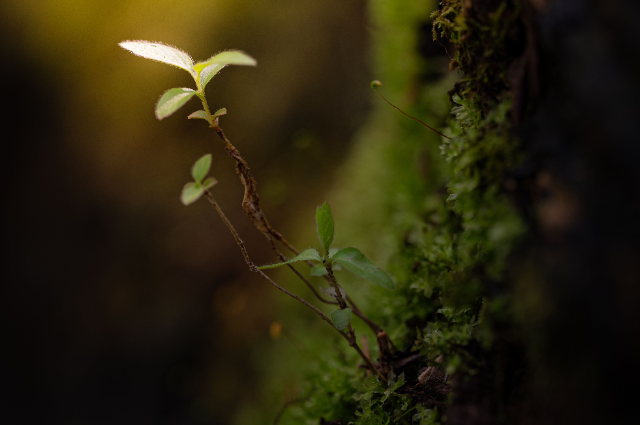
“Rebirth is participation in the process of transformation.”
- Carl Gustav Jung
The Life I Thought I Had
For many years, I believed I was living a blessed life. My husband and I built our business from scratch. Through years of hard work, we expanded it, bought a new home, and raised two beautiful daughters. Watching our children grow and succeed gave me immense happiness, and I was proud of what we had built together. Alongside managing the business and raising my children, I finally began pursuing my long-cherished dream of studying Psychology. From the outside, my life appeared complete. I had a family, a business, a home, and the opportunity to fulfil my dream. Yet deep inside, I always sensed that something was wrong. I could not explain it, so I carried on with my responsibilities, telling myself that everything was fine. I did not realise that, while I was building a life for my family, I was gradually losing touch with myself. I had grown used to adjusting, putting others first and carrying on even when something hurt. I rarely stopped to ask myself what I needed or why I felt the way I did. Looking back, I realise that silence had become a familiar part of my life long before I understood its impact. Then came 21 August 2024. The day my life stood still.
The Moment Silence Began to Break
Until that day, I had never undergone surgery or been admitted to a hospital for an operation. I endured severe abdominal pain through the night, hoping it would subside. When it persisted, I went to the hospital, where the doctors admitted me for emergency surgery for appendicitis. As the staff prepared to move me into the operating theatre, I expected my husband to stay beside me. Instead, I noticed his reluctance to accompany me. I was frightened, physically vulnerable, and facing surgery for the first time in my life. It was my younger daughter who stayed with me. The operation went well, but what happened during my recovery left me with questions I could no longer ignore. The next day, as I lay in my hospital bed struggling with post-operative pain, my husband brought his friends to visit. They laughed, ate, and enjoyed themselves while I tried to recover. My hands were swollen from the needles, and my body still ached. I waited for him to ask how I was feeling. I hoped he would hold my hand or offer a little comfort. He did neither. When I was preparing to leave the hospital, his conversation centred on the money spent on my treatment. He said that if it had not been an emergency, he could have saved that money. We had always planned our finances carefully, yet at that moment I felt that money mattered more to him than my suffering. I returned home recovering physically from surgery but emotionally overwhelmed. For the first time, I began questioning something I had accepted for years. How could the person with whom I had shared twenty-three years of marriage remain so distant when I needed him the most? That question disturbed me because it challenged the understanding I had built around my marriage. I had always believed that the difficulties I experienced were isolated incidents, things I needed to accept and move beyond. Now I began to wonder whether those incidents were connected. My silence had kept many questions unspoken, but the experience at the hospital made it impossible to keep ignoring them. Without realising it, I had entered a new phase of my life — reflection.
Connecting the Dots
As I recovered from surgery, I began revisiting memories from my marriage. I remembered giving birth to both my daughters without my husband being present. I remembered taking my children to the hospital when they were ill, without him by my side. I remembered managing responsibilities and difficult situations on my own. I had accepted each of these experiences individually; now I began to look at them together. I asked myself why I had repeatedly faced difficult moments without the emotional support I needed. I began examining our financial arrangements, too. Although I had worked in our business for years, my husband controlled my bank account. He knew my banking password and operated the account himself. I had few savings under my independent control and no ready cash of my own. He generally purchased whatever the family needed, which left me with little opportunity to manage money on my own. I had contributed years of work to our business and our family, yet I lacked the financial independence I needed to feel secure. Until then, I had accepted this arrangement as part of family life. Now, I began to question it. The experience at the hospital had exposed my vulnerability at a time when I needed support. It also made me recognise how emotionally and financially dependent I had become. As I reflected on my marriage, I began looking further back. I wanted to understand not only what was happening in my life, but also why I had found it so difficult to acknowledge my own pain. The answers led me to my childhood.
The Little Girl Behind the Woman
My father struggled with alcohol addiction. His drinking was often accompanied by physical abuse of my mother and verbal abuse within our home. Growing up, I witnessed situations that left me frightened and emotionally unsettled. I also felt that my mother’s anger and emotional distress were often directed at me. Over time, I came to feel like the family scapegoat, the one who absorbed the blame and the emotional pain around her. I felt lonely even when I was surrounded by family. As a child, I learned to adjust, to remain quiet and to put other people’s needs before my own. I learned to overlook my feelings because expressing them did not always feel safe. I did not understand then that these experiences could shape the way I approached relationships as an adult. As I reflected on my marriage, I began to recognise similarities between the patterns of my childhood and those I was experiencing later in life. I wondered whether I had become so accustomed to adjusting that I no longer noticed when I was abandoning my own needs. I began reading about Covert Narcissistic and Passive-aggressive behaviour. Debbie Mirza’s book, The Covert Passive-Aggressive Narcissist, gave me a framework through which to explore some of my experiences. I began identifying behaviours that I experienced as emotionally neglectful, controlling, and invalidating. I also started questioning the beliefs I had absorbed from my family and culture. I had grown up with the message that men may behave in certain ways and that women should adjust for the sake of their marriage and children. But nobody had told me how long I was expected to adjust. Nobody had taught me when patience becomes self-abandonment. Nobody had explained that keeping a family together should not mean continually sacrificing one’s emotional well-being. When I tried to make sense of my experiences, my husband’s parents and relatives encouraged me to accept the situation as something common in many households. Their responses made me feel even more alone. I was trying to understand my pain, while the people around me seemed to expect me to tolerate it. Gradually, I began to question whether what I had accepted as normal was something I actually wanted to keep living with. I started seeing the connections between my childhood, my marriage, my beliefs, and the choices I had made. Reflection did not change my past. It changed the way I understood it.
The Cinderella Who Kept Waiting
For many years, I felt like Cinderella, waiting for the day when someone would notice my suffering and change my circumstances. I believed that if I adjusted a little more, loved a little more, or remained patient a little longer, things would eventually improve. I continued to fulfil my responsibilities as a wife and mother while carrying pain I rarely expressed. I had invested twenty-three years in my marriage. I had helped build a business, raise two children, and create a home. I had pursued education and worked towards becoming a better version of myself. How could a life filled with so many achievements also leave me feeling so lonely? I struggled with that question. As I reflected, I began to understand that outward success does not always reveal what happens behind closed doors. A family can appear happy while someone within it feels unseen. A woman can be educated, capable, and hard-working and remain financially dependent. A marriage can continue outwardly even when emotional intimacy has disappeared. I had spent years trying to make everything work, and I was only beginning to acknowledge how much I had neglected my own emotional needs in the process. I could not change what had happened, but I could begin questioning the beliefs that had kept me accepting it.
Perhaps I had confused being a good wife and mother with putting myself last.
Perhaps I had mistaken silence for strength.
Perhaps I had believed that enduring pain was simply part of loving my family.
These questions were uncomfortable, but they opened up space for a different understanding of myself. I was beginning to recognise the difference between caring for others and abandoning myself.
When Reflection Became Overwhelming
My emotional struggles did not begin with my surgery. I had experienced digestive problems since childhood, and for nearly twenty years I had suffered severe episodes of migraine. Over time, I also experienced stress, anxiety, depression and panic attacks. I cannot attribute every physical symptom to emotional distress, but I began paying closer attention to the relationship between my emotional experiences and my overall well-being. After the surgery, the memories and realisations became overwhelming. I was processing years of experiences while my body was still recovering from an operation. Eventually, I withdrew into a room and spent most of my time there. I struggled to eat, to go outside, or to engage in any activity. I managed to prepare something for my children in the mornings, but beyond that, I found it difficult to take part in everyday life. I felt devastated. The woman who had once managed business operations, handled countless responsibilities, raised children, and pursued new dreams could barely find the energy to step outside her room. I was still living in the same environment, but I no longer felt like the person I had been. My children’s education and financial security remained important to me. The money I had earned and set aside for their studies was under my husband’s control. I could not simply walk away and start again without considering the consequences. Awareness did not immediately give me freedom. Reflection helped me understand my circumstances, but understanding alone could not resolve them. I still had practical realities to navigate, emotional wounds to work through and a life to rebuild. I was beginning to see what needed to change, even though I did not yet know how to change it.
Finding My Way Back to Myself
During this difficult period, my daughters, who are adults, became an important source of support. They stayed beside me, encouraged me, and gently reminded me that I could not remain confined to my room forever. My elder daughter encouraged me to return to the gym. At first, even stepping outside felt difficult. I did not suddenly become confident or energetic. I began slowly, one small step at a time. I returned to the gym. Then I joined a running club. Later, I enrolled in a dance class. Each activity gave me a reason to leave the house, move my body, meet people and reconnect with parts of myself I had neglected. My daughters could not remove the pain I was carrying, but their encouragement helped me begin moving forward. Their support reminded me that I was not entirely alone. Alongside these activities, I began working with my inner child and exploring inner-healing and body-based practices. I started examining the beliefs I had carried since childhood: that my needs were unimportant, that other people’s needs always came first, that I had to remain invisible, and that expressing my feelings might threaten my relationships. For years, I had accepted these beliefs without question. Now I was learning to recognise them as beliefs shaped by my experiences, not rules I had to follow for the rest of my life. I began to understand that the little girl who had learned to survive by adjusting did not have to determine every decision I made as an adult.
I could listen to myself.
I could acknowledge my anger, sadness, and disappointment without feeling guilty for experiencing them.
I could recognise my needs without automatically treating them as less important than everyone else’s.
I could understand my past without allowing it to define my entire future.
My healing did not happen overnight. It began through small decisions, supportive relationships, uncomfortable realisations, and the willingness to keep moving even when I could not see where the journey would lead. Slowly, I began to understand that awareness was not simply about knowing what had happened to me. It was also about recognising how I wanted to live from now on.
Rebirth- The Woman I Am Becoming
Today, I am still navigating the circumstances that contributed to my distress. I continue to live in the same environment because my children’s education, our finances, and other practical realities influence my decisions. Financial independence remains an important goal, and I know I still have work to do. I am not telling this story as someone who has resolved every problem or completed her healing. I am telling it as someone who has begun to understand her life differently. For years, I measured my achievements by the business I helped build, the home we bought, the children we raised, and the responsibilities I fulfilled. Those achievements remain meaningful to me. But I am beginning to understand that my life must also include me.
My well-being matters.
My voice matters.
My financial security matters.
My emotional needs matter.
My identity is larger than my roles as a wife, mother, or businesswoman.
I am learning to look at human behaviour, including my own, with greater understanding and compassion. I am learning that healing does not mean blaming everyone who hurt me, nor does it mean pretending that the hurt never happened. It means acknowledging my experiences, understanding their impact, and learning to make choices that support my well-being today. I cannot rewrite my childhood or change the decisions other people made. I cannot recover the years I spent waiting for someone to recognise my pain. But I can begin making choices that honour the person I am becoming. I no longer want to measure my worth only by how much I give, how much I endure, or how well I fulfil my responsibilities. I want to create a life in which I can care for others without forgetting myself. I want to find my voice without feeling guilty for having one. I want to make decisions with greater awareness of my needs, my values and my circumstances. My journey is far from complete, but I am beginning to recognise that I have choices, even when those choices require time, support and careful planning.
Perhaps that is what rebirth means to me: not becoming someone entirely different, but rediscovering the person I had gradually lost sight of.
What My Journey Has Taught Me
Looking back, I realise that 21 August 2024 did not create all the problems in my life. It became the moment that brought many of them into focus. My experience during my hospital recovery led me to question my marriage. Those questions brought back memories of earlier times when I had been left to cope alone. Those memories led me to examine my childhood, my financial dependence, and the beliefs that had shaped my relationships for decades. One experience led to another until I began to see my life as a pattern rather than a collection of unrelated incidents. I began to understand how silence had helped me navigate difficult circumstances, how reflection allowed me to connect my experiences, and how awareness helped me question the beliefs I had carried for years. I also learned that awareness alone does not change every circumstance. Healing requires time, support, practical resources, courage, and consistent action. Most importantly, I learned that I do not have to wait for someone else to recognise my worth before I begin recognising it myself. For years, I waited for the light at the end of my Cinderella story. Today, I am learning that I do not need to wait for someone to rescue me. I can begin creating a life in which I feel safe, valued, heard and free to become who I truly am.
I am still healing. I am still learning. I am still finding my way.
But I no longer look at my life only through the pain I have experienced. I am also beginning to see the possibilities that lie ahead. Silence taught me how I had learned to survive. Reflection helped me understand my past. Awareness is helping me discover how I want to live.
And rebirth?
Perhaps rebirth is the moment we begin returning to ourselves after years of losing sight of who we are. It is the willingness to listen to the voice we once suppressed, to acknowledge the needs we once ignored, and to make room for the person we are still becoming. My life did not end on 21 August 2024. The life I thought I knew came to a standstill, and I began the difficult journey of discovering the life I had yet to live.
This is my rebirth
Not the end of my struggles, but the beginning of a more conscious relationship with myself.
Reference:
- Mirza, D. (2017). The Covert Passive-Aggressive Narcissist: Recognising the Traits and Finding Healing After Hidden Emotional and Psychological Abuse.