
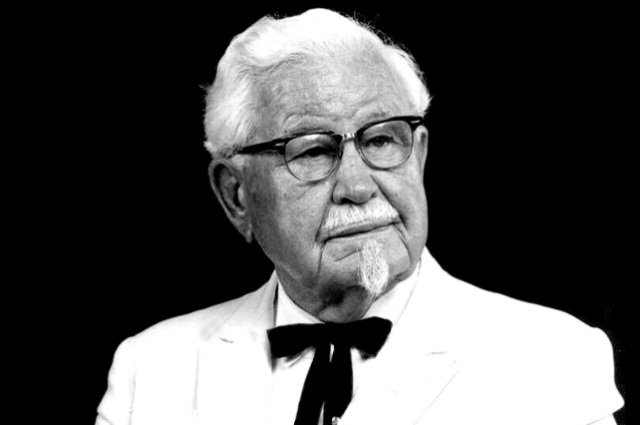
Early hardships shape a determined soul
Harland David Sanders entered the world on September 9, 1890, in the small farming community of Henryville, Indiana. His father, a butcher, passed away when Harland was only six, leaving his mother to manage the family alone. Young Harland stepped up, learning to cook and care for his younger siblings, skills that would later define his legacy. Dropping out of school in seventh grade, he took on odd jobs like farmhand and blacksmith helper, facing constant instability.
By age 16, Sanders falsified his birth date to enlist in the U.S. Army, serving as a wagoner in Cuba and earning the Cuban Pacification Medal before an honourable discharge in 1907. Returning home, he bounced between roles: streetcar conductor in New Albany, Indiana; railroad fireman; and insurance salesman. Each venture brought rejection and failure, yet these early knocks forged his resilience. In his 20s, a brief marriage to Josephine King produced three children, but personal and financial strains persisted.
Sanders' first taste of entrepreneurship came in 1920 with a ferry boat company on the Ohio River, where he became a minority shareholder and secretary. Success was short-lived amid economic turbulence. By the late 1920s, he worked as a gas station operator and Chamber of Commerce secretary, always hustling but never settling. These formative years taught him self-reliance, a trait that propelled him through decades of adversity.
From Gas Station to Roadside Eatery
The Great Depression hit hard, but in 1930, Shell Oil offered Sanders a rent-free service station in Corbin, Kentucky, in exchange for sales commissions. Travellers stopped for gas, and Sanders saw an opportunity in their hunger. He began serving simple meals—country ham, steaks, and fried chicken—from his living quarters next door. Word spread about the flavourful home-cooked fare, drawing crowds.
By 1935, demand exploded. Sanders expanded into a full restaurant, dubbed Sanders' Cafe, offering family-style dinners. Governor Ruby Laffoon honoured his hospitality by commissioning him as a Kentucky Colonel—an honorary title, not military—cementing his persona. Tragedy struck in 1939 when a fire raged at the place, but Sanders rebuilt it larger: a 140-seat diner attached to a motel. Competition arose, too; a 1931 shootout with rival Matt Stewart, who vandalised his signs, ended with Stewart's conviction for murder, clearing Sanders' path.
Innovation defined this era. At age 50, Sanders experimented relentlessly in his kitchen, perfecting a "secret recipe" of 11 herbs and spices. He adopted a pressure fryer, slashing cooking time from 30 minutes to mere moments while locking in juiciness—a breakthrough patented later. Customers raved; motorists travelled miles for his chicken. Claudia Ledington-Price, whom he later married, managed operations during his travels.
The Franchising Gamble at Age 65
Interstate highways bypassed Corbin by 1950, gutting Sanders' business. At 62, divorced and on a $105 monthly Social Security check, he faced ruin. Undeterred, he loaded his car with a pressure fryer, spices, and chicken samples, hitting the road at 65 to pitch franchising. Rejection defined this phase: over 1,009 "no's" from restaurant owners across states. He slept in his vehicle, survived on meagre funds, but pressed on, refining his pitch each time.
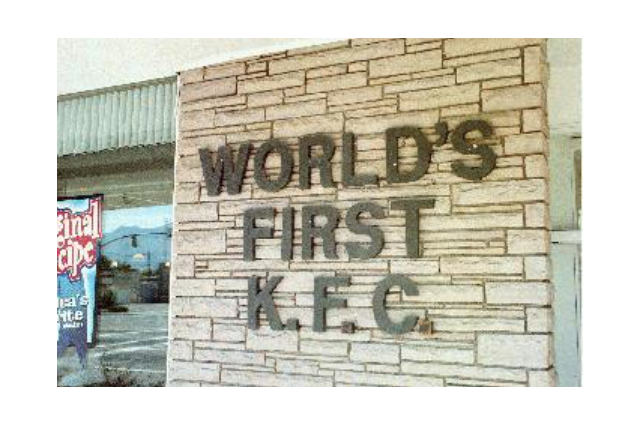

A breakthrough came in 1952 with Pete Harman in Salt Lake City, Utah. Harman's outlet tripled sales post-franchise. The "Kentucky Fried Chicken" name evoked Southern authenticity; Sanders donned his white suit, string tie, and goatee as the Colonel mascot. Royalties started at four cents per chicken. Franchises sprouted: 14 by 1955, hundreds soon after. In 1960, he co-founded Kentucky Fried Chicken Corporation with investors, standardising operations.
Challenges mounted. Sanders clashed with new management over quality after selling for $2 million in 1964 (about $20 million today). He sued briefly for misrepresentation but stayed on as ambassador, opening outlets in Canada and promoting globally. By 1971, KFC merged with Heublein, boasting 3,500 locations worldwide.
Global Empire and Lasting Legacy
KFC expanded aggressively: first international in England (1965), Australia, and Japan. Sanders toured relentlessly, embodying the brand—shaking hands, tasting chicken, sharing stories. At 80, he remarried Claudia after Josephine's passing. Health declined; he battled leukaemia but worked until weeks before his death on December 16, 1980, at 90 in Louisville, Kentucky.
Today, KFC serves millions daily across 150 countries, a $27 billion juggernaut under Yum! Brands. Sanders' face remains iconic, his recipe vaulted secretly. Philanthropy marked his later years: donations to churches, Shriners Hospitals, and scholarships reflected his faith-driven generosity.
Key Lessons in Persistence
Sanders' odyssey offers timeless wisdom:
- Embrace Failure as Feedback: 1,000+ rejections honed his approach, turning "no" into eventual "yes."
- Innovate Relentlessly: Pressure frying revolutionised fast food, proving adaptation trumps tradition.
- Personal Branding Powers Growth: The Colonel image—white suit, moustache—built trust and memorability.
- Start Late, Finish Strong: Success at 65 shatters age myths; timing yields to tenacity.
- Quality Endures: Amid corporate shifts, Sanders prioritised taste, ensuring loyalty.
- Give Back Generously: Wealth-fuelled charity, amplifying impact beyond business.
- Faith Fuels Endurance: His Christian beliefs sustained him through poverty and prosperity.
Modern Relevance for Entrepreneurs
In today's gig economy, Sanders inspires solopreneurs juggling content creation, affiliate marketing, and digital sales. His low-capital start mirrors bootstrapping podcasts or YouTube channels. Facing algorithm changes or audience rejection? Channel his road trips—pitch persistently. For wellness advocates or authors, his recipe perfection parallels crafting affirmations or holistic courses.
Digital parallels abound: Sanders' franchising echoes viral reels or Gumroad products scaling globally. Platforms like Instagram demand his visual branding savvy. His Social Security pivot motivates mid-career shifts into coaching or recipe eBooks, proving persistence compounds like compound interest.
Cultural Impact and Icon Status
Sanders starred in ads, cameos (e.g., *Blast-Off Girls*, 1967), and lore. Parodies and memes celebrate his grit. KFC's "Original Recipe" endures lawsuits over secrecy, underscoring its genius. Statues, museums (Corbin's Colonel Sanders Cafe), and annual festivals honour him.
Critics note labour issues in modern KFC, but Sanders' era emphasised hands-on care. His story transcends chicken: a blueprint for rags-to-riches via sheer will.
The Road Ahead: Applying Sanders' Blueprint
Aspiring creators, map your "1,009 rejections." Track pitches in spreadsheets, iterate like his spices. Build a personal brand—faceless videos? Adopt a signature style. Monetise via affiliates or Patron, scaling franchises digitally. Wellness routines? Fuel with his discipline: cook, hustle, pray.
Sanders proved ordinary folks craft *(empires. His life whispers: persist, innovate, believe. The next KFC starts in a garage—or on your laptop.
Citations:
- Case Study: KFC India - How the Colonel Conquered a ... https://futurevisioncomputers.com
- KFC's new take on Colonel Sanders is serious about its ' ... https://www.marketingdive.com
- Top 10 Global SEO Strategies to Boost Your International ... https://vocal.media
- Fried Chicken Keywords: Top Google Adwords ... https://adtargeting.io
- Find the Best Branding Agency in Bangalore - NOW Media https://www.nowmedia.in
- View of Analysis of KFC's Marketing Strategy on the Short ... https://drpress.org
- Sure thing, chicken wing - Carney https://carney.co
- Colonel Sanders https://en.wikipedia.org
- How Colonel Sanders became the face of KFC and a ... https://www.linkedin.com
- KFC advertising https://en.wikipedia.org
- The story of the founder of KFC—Colonel Sanders https://businesshistory.domain-b.com
- Colonel Harland Sanders - KFC, Story & Death https://www.biography.com
- Colonel Harland Sanders Biography - Early Life ... https://www.vedantu.com
- Our History https://global.kfc.com
- Harland Sanders | Biography. Kentucky Fried Chicken, & ... https://www.britannica.com
- The Story of Colonel Sanders, KFC Founder https://fleximize.com
- The inspiring life story of KFC's Colonel Sanders https://www.snagajob.com
- Harland "Colonel" Sanders https://paulcollege.unh.edu
- Harland Sanders - Biography https://www.imdb.com
- KFC https://en.wikipedia.org0
- History of KFC https://en.wikipedia.org
- The Colonel's Story Timeline | The Life of Harland Sanders - KFC https://www.kfc.co.uk