
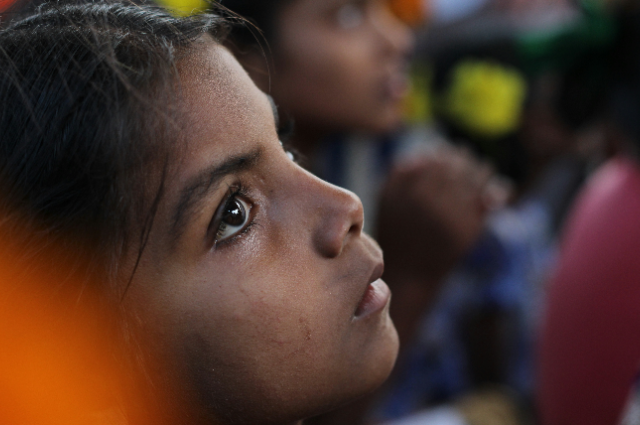
“I measure the progress of a community by the degree of progress which women have achieved.”
Domestic violence is one of the most pervasive yet historically neglected forms of human rights violations affecting women across all socio-economic, cultural and geographical boundaries. Unlike other forms of violence that occur in public spaces and attract immediate legal attention domestic violence takes place within the private sphere of the family often shielded by notions of privacy, tradition and social norms. For centuries acts of abuse committed within households were treated as personal or familial matters beyond the reach of legal intervention. However, contemporary constitutional and human rights jurisprudence has firmly rejected this perception recognising that violence within the home is not a private issue but a grave violation of a woman’s right to life, liberty, equality and dignity. In India the problem of domestic violence is deeply rooted in patriarchal social structures that historically assigned women a subordinate status within the family and society. Cultural expectations of obedience, sacrifice and preservation of family honour have often compelled women to tolerate abuse silently. These entrenched norms have normalised violence to such an extent that many women fail to recognise abusive behaviour as a violation of their rights. The persistence of practices such as dowry-related harassment, marital cruelty, emotional abuse and economic deprivation illustrates how gender-based power imbalances continue to manifest in intimate relationships. Domestic violence therefore cannot be understood merely as isolated incidents of physical assault it must be analysed as a structural and systemic issue arising from gender inequality.
The Indian Constitution adopted in 1950, provides a transformative framework aimed at dismantling such inequalities and ensuring justice for all citizens. The guarantees of equality before the law, non-discrimination on the basis of sex and protection of life and personal liberty collectively establish a strong normative foundation for safeguarding women’s rights. Judicial interpretation has expanded the meaning of the right to life to include the right to live with dignity, free from fear, humiliation and degrading treatment. This expansive understanding recognises that dignity is not an abstract concept but a lived reality encompassing bodily integrity, mental well-being and autonomy. Domestic violence by its very nature strikes at the core of this constitutional promise depriving women of the ability to lead secure and meaningful lives.
Despite these constitutional safeguards the lived experiences of many women reveal a stark gap between legal ideals and social realities. Domestic violence remains underreported due to fear of stigma, economic dependency, lack of awareness and mistrust of institutional mechanisms. The societal emphasis on family unity frequently outweighs concern for individual safety thereby silencing victims and perpetuating cycles of violence. This disconnect highlights the limitations of formal legal guarantees in the absence of effective enforcement and socio-cultural transformation. Recognising the urgent need to address domestic violence as a legal and human rights issue the Indian legislature enacted the Protection of Women from Domestic Violence Act, 2005. This legislation marked a paradigm shift by acknowledging that violence within domestic relationships requires not only criminal sanctions but also civil remedies aimed at protection, prevention and rehabilitation. The Act broadened the definition of domestic violence to include emotional, verbal, sexual and economic abuse thereby reflecting a more nuanced understanding of the multifaceted harm experienced by women. However, the effectiveness of this legislative framework has been hindered by inadequate implementation, limited awareness and persistent patriarchal attitudes within enforcement agencies.The challenge of domestic violence is not unique to India it is a global phenomenon recognised as a violation of fundamental human rights. International legal instruments such as the Universal Declaration of Human Rights, the Convention on the Elimination of All Forms of Discrimination Against Women (CEDAW) and the International Covenant on Civil and Political Rights have emphasised the obligation of states to protect women from violence and discrimination in both public and private spheres.
Nevertheless, translating international norms into meaningful domestic change remains a complex task. Legal reforms alone cannot dismantle deeply ingrained social hierarchies and cultural practices that perpetuate violence against women. Effective realisation of women’s rights requires a holistic approach that integrates legal enforcement with education, economic empowerment, institutional accountability and societal awareness. The persistence of domestic violence despite comprehensive legal frameworks demonstrates that the problem lies not only in the inadequacy of laws but also in the challenges of implementation and attitudinal change. Ultimately, the eradication of domestic violence is essential not only for protecting individual victims but also for achieving broader goals of social justice, democratic equality and sustainable development. A society that fails to ensure safety and dignity within the home cannot claim to uphold human rights in the public sphere. Ensuring that women can live free from violence is therefore central to the constitutional vision of justice and to the universal commitment to human dignity.
Understanding Domestic Violence Beyond the Visible Harm
Domestic violence is a complex and multidimensional phenomenon that extends far beyond acts of physical aggression. It encompasses a wide spectrum of abusive behaviours including physical, emotional, sexual, psychological and economic abuse all of which operate together to create an environment of fear, dependence and subordination. Unlike isolated criminal acts that occur as singular events domestic violence is typically characterised by a continuing pattern of coercion and control exercised by one partner over another most often by men over women within intimate or familial relationships. This pattern-based nature distinguishes domestic violence from other forms of violence as it involves systematic domination intended to undermine a woman’s autonomy, dignity and sense of self. The manifestations of domestic violence are not always visible. While physical abuse such as assault, injury or confinement may leave tangible evidence and other forms of abuse such as verbal humiliation, emotional manipulation, threats and social isolation are often less apparent yet equally damaging. Psychological abuse can erode a woman’s confidence and mental well-being over time making it difficult for her to recognise the injustice of her situation or seek help. Economic abuse including denial of access to financial resources, restriction from employment or control over earnings which further entrenches dependency and limits the ability of women to escape abusive environments. These varied forms of violence collectively function as tools of control gradually depriving women of agency and reinforcing unequal power dynamics within the household.
The persistence and normalisation of domestic violence in many societies are deeply rooted in patriarchal traditions that historically positioned men as authority figures and women as subordinate caregivers. Cultural norms often define marriage as a sacrificial institution for women where endurance and silence are valued over resistance. Expectations surrounding obedience, preservation of family honour and the stigma associated with separation or divorce frequently compel women to tolerate abuse rather than challenge it. In such contexts violence becomes trivialised as a “private matter” or justified as a disciplinary mechanism thereby shielding perpetrators from accountability and discouraging victims from seeking justice. Social stigma and lack of awareness further contribute to the underreporting of domestic violence. Many women fear social ostracisation, economic insecurity or retaliation if they disclose abuse. Institutional responses at times insensitive or dismissive reinforce this silence by treating domestic disputes as personal conflicts rather than violations of fundamental rights. As a result domestic violence remains largely hidden perpetuated by a culture of silence that normalises suffering and inhibits intervention.
Understanding domestic violence therefore requires moving beyond individualised explanations and recognising it as a structural and systemic problem embedded in gender inequality and socio-cultural hierarchies. It is not merely a breakdown of personal relationships but a manifestation of entrenched power imbalances that deny women equality and dignity. Conceptualising domestic violence in this broader socio-legal framework is essential for developing effective legal remedies, policy interventions and societal reforms aimed at ensuring justice, protection and empowerment for women.
Constitutional Foundations of the Right to Life and Dignity
The Indian Constitution provides a comprehensive and value-oriented framework for addressing gender-based violence including domestic violence by placing human dignity, equality and justice at the core of its philosophy. It is not merely a legal document but a transformative charter designed to dismantle historical injustices and establish a social order based on equality and respect for individual rights. Within this framework the protection of women from violence is not treated as a matter of welfare or charity but as a constitutional mandate flowing from the guarantees of fundamental rights. The principle of equality before the law ensures that women are entitled to the same legal protection and status as men in all spheres of life. This constitutional vision rejects traditional patriarchal notions that confined women to subordinate roles within the family and society. By prohibiting discrimination on the basis of sex the Constitution recognises that formal equality alone is insufficient it requires active measures to eliminate systemic disadvantages that have historically marginalised women. Gender justice therefore is embedded within the constitutional scheme as an essential component of democratic governance and social transformation.
Most significantly the constitutional protection of life and personal liberty has been interpreted in an expansive and progressive manner. The understanding of “life” has evolved beyond mere physical existence to encompass the right to live with dignity, autonomy and self-respect. Judicial interpretation has emphasised that a dignified life includes freedom from violence, access to emotional and physical security and the ability to make choices without fear or coercion. The right to bodily integrity, mental well-being, privacy and protection from degrading treatment are now recognised as intrinsic to the meaning of life under the Constitution. Domestic violence by subjecting women to physical harm, psychological trauma and social isolation directly undermines these constitutional guarantees and represents a denial of the dignity that the Constitution seeks to protect.
The Constitution also reflects the idea of transformative constitutionalism which views law as a dynamic tool for social change rather than a passive reflection of existing social norms. This approach acknowledges that societal practices rooted in patriarchy and inequality must be challenged and reformed through legal and institutional mechanisms. Addressing domestic violence therefore is not limited to penalising offenders but involves reshaping attitudes, empowering women and creating an environment in which equality can be meaningfully realised. The constitutional vision aspires to transform private spaces including the family into arenas where rights and dignity are respected rather than suppressed.
In this context the State bears a positive obligation to ensure that reminds are not merely theoretical but effectively accessible. This duty includes enacting protective legislation, ensuring responsive law enforcement, promoting awareness and providing institutional support systems that enable women to assert their rights without fear. The constitutional framework thus imposes both negative obligations to refrain from violating rights and affirmative duties to create conditions in which women can live safely and equally. In essence the constitutional foundations of the right to life and dignity establish that freedom from domestic violence is not simply a social aspiration but a fundamental right. The Constitution envisions a society in which women are not forced to endure abuse in silence but are empowered to live with equality, autonomy and respect thereby fulfilling the broader promise of justice and human dignity.
Legislative Response: Protection of Women from Domestic Violence Act, 2005
The enactment of the Protection of Women from Domestic Violence Act, 2005 (PWDVA) marked a watershed moment in India’s legal response to gender-based violence by recognising domestic abuse as a serious violation of women’s rights rather than a purely private or familial issue. Prior to this legislation legal remedies available to women were largely confined to criminal provisions that addressed specific acts of cruelty or assault but failed to capture the continuing and multifaceted nature of domestic violence. These provisions often required women to initiate criminal prosecution against family members a step many were reluctant to take due to emotional, social and economic dependencies. The PWDVA introduced a paradigm shift by adopting a rights based and victim-centric framework focused on protection, prevention and rehabilitation rather than relying solely on punitive measures.
A significant feature of the Act is its recognition of domestic violence as encompassing a wide spectrum of abuse beyond physical harm. It explicitly includes emotional, verbal, sexual and economic abuse thereby acknowledging that violence can manifest through humiliation, threats, control over resources and deprivation of financial independence. By broadening the definition of violence the law reflects a more realistic understanding of the lived experiences of women many of whom suffer forms of abuse that leave no visible injuries but cause profound psychological and social damage. This inclusive definition ensures that the law addresses the structural dynamics of power and control inherent in abusive relationships.
The Act also introduced innovative civil remedies designed to provide immediate and practical relief to victims. These include protection orders to prevent further abuse, residence orders ensuring a woman’s right to remain in the shared household and monetary relief to address financial hardship caused by violence. Such measures enable women to seek safety and support without necessarily initiating criminal proceedings against their partners or family members. This approach recognises that many victims prioritise security, shelter and economic stability over punishment and may seek legal intervention primarily to end the violence rather than to secure conviction. Another progressive aspect of the legislation is the establishment of institutional mechanisms such as Protection Officers, service providers and shelter homes intended to assist survivors in accessing legal aid, medical care, counselling and safe accommodation. These mechanisms were envisioned as support structures bridging the gap between legal rights and their effective realisation. By integrating legal remedies with social welfare measures the Act sought to create a comprehensive response addressing both the immediate and long-term needs of victims.
Despite its progressive intent however the implementation of the PWDVA has faced considerable challenges. A large number of women remain unaware of the protections available under the Act, limiting its accessibility and effectiveness. Institutional mechanisms often suffer from inadequate funding, insufficient training and lack of coordination among agencies responsible for enforcement. Protection Officers are frequently overburdened and shelter homes and counselling services remain scarce particularly in rural areas. Furthermore, entrenched societal attitudes sometimes lead law enforcement officials to treat complaints as private family disputes rather than legal violations discouraging the women from pursuing remedies. These shortcomings highlight the persistent gap between legislative promise and practical realisation. While the PWDVA represents a progressive and rights-oriented legal framework its success ultimately depends on effective implementation, awareness generation and institutional accountability. Strengthening these aspects is essential to ensure that the Act fulfills its objective of providing meaningful protection and enabling women to live free from violence and with dignity.
The Indian Judiciary as a Guardian of Women’s Human Rights
The Indian judiciary has played a transformative role in expanding the meaning of dignity, equality and personal liberty in the context of women’s rights. Through progressive constitutional interpretation courts have repeatedly emphasised that violence within the home cannot be justified on the grounds of culture, tradition or privacy. The judiciary has rejected the long-standing notion that domestic relations fall beyond the reach of constitutional scrutiny affirming instead that fundamental rights apply equally within private spaces. This approach has helped shift domestic violence from being perceived as a “family matter” to being recognised as a violation of constitutionally protected human rights. In S.R. Batra v. Taruna Batra (2007), the Supreme Court examined a woman’s right to residence in the shared household. Although the judgment adopted a narrower interpretation of residence rights it sparked significant legal debate and led to more progressive interpretations in subsequent decisions reflecting the evolving judicial understanding of women’s need for secure housing as part of protection from violence.
More progressive approach can be seen in Indra Sarma v. V.K.V. Sarma (2013), where the Court recognised that relationships “in the nature of marriage,” including certain live-in relationships fall within the protective ambit of the Domestic Violence Act. The judgment acknowledged changing social realities and emphasised that legal protection cannot be denied merely because relationships do not conform to traditional marital norms. This case marked an important step toward ensuring that the law protects women based on vulnerability to abuse rather than formal marital status. Similarly in State of Punjab v. Gurmit Singh (1996), while dealing with sexual violence the Supreme Court stressed the need for a sensitive judicial approach to crimes against women and highlighted the psychological trauma suffered by victims. The Court emphasised that legal processes must not re-victimise women reinforcing the idea that dignity is central to justice delivery. These decisions collectively illustrate how Indian courts have interpreted constitutional provisions dynamically to address structural gender inequalities. By invoking international conventions, expanding the meaning of dignity and adapting legal protections to evolving social contexts, the judiciary has played a vital role in advancing women’s rights and highlighting the constitutional obligation to ensure a violence-free life.
However, judicial pronouncements alone cannot eradicate domestic violence. Courts can interpret and enforce rights but meaningful change requires coordinated action from the legislature, executive authorities, law enforcement agencies and society at large. Without effective implementation, awareness and institutional support even the most progressive judgments risk remaining symbolic. The judiciary thus acts as a catalyst for change but the realisation of women’s right to life and dignity ultimately depends on a collective societal commitment to gender justice.
Domestic Violence through the Lens of International Human Rights Law
The recognition of domestic violence as a violation of human rights at the international level has profoundly influenced the development of national legal systems including that of India. Traditionally violence occurring within the family was considered a private matter outside the scope of state responsibility. However, the evolution of international human rights law has challenged this notion by affirming that states are accountable for protecting individuals from violence regardless of where it occurs. This shift has reframed domestic violence from a personal or cultural issue into a matter of global concern linked to equality, dignity and fundamental freedoms.
The Universal Declaration of Human Rights (UDHR), adopted in 1948, laid the normative foundation for this transformation by proclaiming that all human beings are born free and equal in dignity and rights. It emphasised that everyone is entitled to life, liberty, security and protection from cruel, inhuman or degrading treatment. Although the UDHR did not explicitly mention domestic violence its broad human rights guarantees established the principle that violence against women within the home constitutes a violation of universally recognised rights. This foundational framework inspired subsequent international instruments to address gender-specific forms of discrimination and abuse more directly.
The Convention on the Elimination of All Forms of Discrimination Against Women (CEDAW), adopted in 1979, represents the most comprehensive international treaty dedicated to advancing gender equality. Often described as the international bill of rights for women, CEDAW obligates states to eliminate discrimination in all spheres of life including within the family. It requires not only the enactment of protective legislation but also the transformation of social and cultural patterns that perpetuate stereotypes, subordination and inequality. General Recommendations issued under CEDAW have clarified that gender-based violence including domestic violence constitutes a form of discrimination that seriously inhibits women’s ability to enjoy rights and freedoms on an equal basis with men. Thus states are required to exercise due diligence in preventing, investigating, punishing and providing remedies for such violence. Similarly, the International Covenant on Civil and Political Rights (ICCPR) reinforces the obligation of states to safeguard the right to life, personal security, equality before the law and freedom from torture or degrading treatment. Domestic violence directly violates these protections by subjecting women to physical harm, psychological trauma and coercive control.
The Human Rights Committee which monitors implementation of the ICCPR has emphasised that states may be held responsible for failing to take adequate measures to protect individuals from violence by private actors, thereby expanding the scope of state accountability beyond direct governmental action. In addition to these core treaties international declarations and regional initiatives have consistently affirmed that violence against women is both a human rights violation and a form of discrimination. These instruments collectively establish that states cannot invoke cultural, religious or traditional justifications to avoid their obligations. Instead they must adopt comprehensive measures including legal reform, awareness programs, institutional support systems, and access to justice for survivors.
Societal Resistance and Legal Limitations in Combating Domestic Violence
Despite the existence of comprehensive constitutional safeguards and progressive legislative measures domestic violence continues to persist in India due to deeply entrenched socio-cultural and institutional barriers.
- Patriarchal Social Structure and Cultural Conditioning- Deeply entrenched patriarchal norms continue to shape societal attitudes, often legitimising male authority and female subordination within the family. Women are socialised to value obedience, sacrifice and preservation of family honour which discourages them from challenging abusive relationships. Violence is frequently normalised as a private matter preventing recognition of domestic abuse as a violation of fundamental rights.
- Economic Dependency and Lack of Financial Autonomy- Economic vulnerability remains a major obstacle for women seeking to escape violent environments. Limited access to employment opportunities, property rights and financial resources creates dependency on the abuser making separation appear socially and economically unviable. Fear of destitution, insecurity and responsibility for children often compels women to remain in abusive households.
- Institutional Insensitivity and Weak Implementation Mechanisms- The effectiveness of legal protections is undermined by inadequate institutional responses. Police authorities may trivialise complaints as domestic disputes rather than treat them as legal offences while delays and procedural complexities within the judicial system discourage victims from seeking remedies. Insufficient training, lack of coordination among agencies and limited availability of shelter homes and counselling services further weaken enforcement.
- Social Stigma and Culture of Silence- Strong societal stigma attached to marital breakdown and public disclosure of abuse silences many victims. Women who report violence may face blame, ostracisation or pressure from family members to reconcile reinforcing a culture where abuse remains hidden and unaddressed. This silence contributes significantly to underreporting and perpetuation of violence.
Numbers Behind the Silence: Data on Domestic Violence in India
Domestic violence in India remains a significant social and human rights concern as reflected in national surveys and crime data. The National Family Health Survey-5 (2019- 21) reported that nearly 29.3% of ever-married women aged 18- 49 have experienced spousal violence including physical, emotional or sexual abuse. The survey also found that many victims do not seek help due to fear, stigma and economic dependence leading to serious underreporting. Rural areas recorded higher prevalence highlighting the role of traditional norms and limited access to support systems.
The National Crime Records Bureau (NCRB) identifies “cruelty by husband or his relatives” as the largest category of crimes against women accounting for over one-third of all registered cases with more than one lakh complaints reported annually. The problem became even more visible during the COVID-19 pandemic when lockdown measures confined women to their homes often with their abusers. The National Commission for Women (NCW) observed a sharp rise in complaints of domestic violence during (2020-21) describing the situation as a “shadow pandemic.” Restricted mobility, economic stress and lack of access to support services intensified the vulnerability of victims and exposed the structural nature of domestic abuse.
International organisations have also highlighted the prevalence of intimate partner violence in India. Reports by UN Women and the United Nations Population Fund (UNFPA) identify domestic violence as one of the most common forms of gender-based violence rooted in unequal power relations, early marriage and economic dependency. These findings reinforce the understanding that domestic violence is not merely a personal or cultural issue but a violation of fundamental human rights requiring state accountability and systemic reform. Together these data sources demonstrate that domestic violence in India is both pervasive and underreported cutting across regions, classes and communities. While legislative and constitutional measures exist statistical trends reveal a persistent gap between legal protections and lived realities underscoring the urgent need for stronger implementation, awareness and socio-economic empowerment to ensure women’s right to live with dignity and security.
Towards a Transformative Framework for Eliminating Domestic Violence
Addressing domestic violence requires more than legal provisions it demands transformation of societal attitudes and empowerment of women through education, awareness and economic independence. Gender-sensitive training of institutions, strengthened support systems and community engagement are essential to bridge the gap between legal rights and their actual realisation ensuring that women can live with dignity, equality and security.
- Integrating Legal, Social and Economic Strategies- A meaningful response to domestic violence must move beyond isolated legal remedies and adopt a holistic framework that integrates legal protection with social reform and economic support. Laws alone cannot eliminate violence unless they are supported by effective implementation, accessible justice mechanisms and social acceptance of gender equality. A coordinated approach involving government institutions, civil society and communities is essential to address the root causes of abuse.
- Strengthening Implementation and Institutional Mechanisms- Ensuring the effective enforcement of protective laws requires strengthening institutional infrastructure including well-trained protection officers, responsive law enforcement agencies and accessible shelter and counselling services. Gender-sensitive training for police, judiciary and administrative authorities can foster empathy and professionalism in handling cases thereby encouraging victims to seek assistance without fear of humiliation or neglect.
- Promoting Legal Awareness and Access to Justice- Legal literacy is a powerful tool for empowerment. Awareness campaigns, community outreach programs and educational initiatives can help women understand their rights and available remedies. When women are informed about legal protections they are more likely to assert their rights and challenge abusive situations transforming law from a distant concept into a practical safeguard.
- Economic Empowerment as a Tool of Liberation- Financial independence is crucial in enabling women to leave abusive relationships and rebuild their lives with dignity. Access to education, vocational training, employment opportunities and property rights enhances women’s autonomy and reduces dependency on abusive partners. Economic empowerment thus acts as both a preventive and rehabilitative measure against domestic violence.
- Community Participation and Social Transformation- Long-term change requires challenging the cultural norms and stereotypes that sustain gender inequality. Community engagement, involvement of local leaders and participation of civil society organisations can create supportive environments that reject violence and promote respect for women’s rights. Education plays a vital role in reshaping attitudes and fostering values of equality among future generations.
- Aligning Domestic Policies with International Human Rights Standards- Incorporating international human rights principles into national policies strengthens accountability and reinforces commitments to gender justice. By aligning domestic frameworks with global standards India can ensure more comprehensive protection for women while fulfilling its international obligations to uphold equality, dignity and freedom from violence.
- Toward Substantive Equality and Human Dignity- A transformative approach ultimately seeks to move from formal guarantees of equality to substantive realisation of rights. Combating domestic violence is not only about preventing harm but also about creating conditions in which women can live with autonomy, security and dignity reflecting the true spirit of constitutional and human rights values.
Domestic violence remains one of the most painful contradictions within a constitutional democracy that promises equality, dignity and justice to all its citizens. While India has developed a strong legal framework and aligned itself with international commitments to protect women’s rights the continuing prevalence of abuse within homes reveals that laws alone cannot transform society. A right written in the Constitution becomes meaningful only when it is experienced in everyday life. For countless women who live under the shadow of fear, humiliation and control the promise of the right to life and dignity still remains distant. The home which should be a space of safety, trust and emotional security too often becomes a site of silence and suffering. When violence is normalised in the private sphere it not only harms individual women but also undermines the moral foundation of society and the credibility of constitutional values. True justice cannot exist where women are compelled to endure abuse for the sake of social acceptance or economic survival. Recognising domestic violence as a violation of human dignity demands not just legal remedies but a collective moral awakening that refuses to tolerate inequality in any form. The path forward requires a decisive shift from formal equality to substantive justice an approach that addresses structural discrimination, promotes economic independence and ensures sensitive and accountable institutions. Empowering women must become a shared responsibility of the State, the community and society at large. Awareness, compassion and social transformation are as essential as legal enforcement in breaking cycles of violence.
Ultimately the struggle against domestic violence is not merely a women’s issue it is a test of the nation’s commitment to its constitutional ideals. A society that safeguards the dignity of its women strengthens the very fabric of democracy. Only through sustained, collective and empathetic efforts can the constitutional vision of justice, equality and human dignity move beyond theory and become a lived reality for every woman within every home.
“To deny women safety in their own homes is to deny them the very essence of the right to life. A life lived in fear, humiliation and coercion cannot be called a life of dignity and no legal system committed to human rights can ignore violence that occurs behind closed doors.”
References:
- International Institute for Population Sciences (IIPS) & MoHFW, National Family Health Survey (NFHS-5), 2019-21: India Report (2021).
- National Crime Records Bureau, Crime in India 2022 (Ministry of Home Affairs, 2022).
- National Commission for Women, Annual Reports and Complaint Statistics (2020-21).
- United Nations, Universal Declaration of Human Rights (1948).
- United Nations, Convention on the Elimination of All Forms of Discrimination Against Women (CEDAW) (1979).
- United Nations, International Covenant on Civil and Political Rights (ICCPR) (1966).
- United Nations Population Fund (UNFPA), State of World Population Reports (various years).
- UN Women, Gender-Based Violence Reports - South Asia (various years).
- The Protection of Women from Domestic Violence Act, 2005 (India).
- Flavia Agnes, Law and Gender Inequality: The Politics of Women’s Rights in India (OUP 2011).