
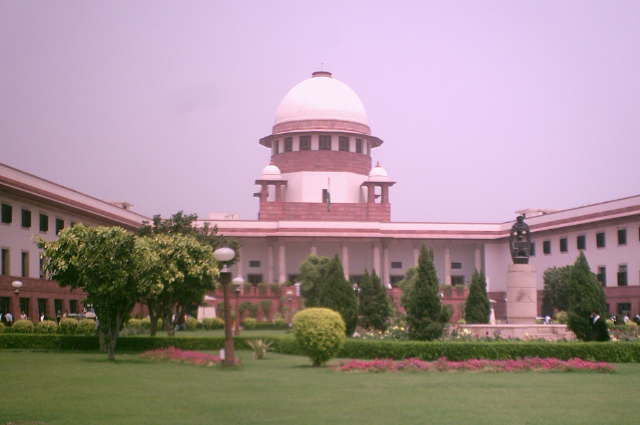
The strength of a democratic society lies not merely in the existence of laws but in the accessibility of justice to its people. In a developing country like India, where socio-economic inequalities, poverty, illiteracy and marginalisation continue to obstruct access to courts, traditional legal remedies often fail to protect the rights of the disadvantaged. In such circumstances Public Interest Litigation (PIL) has emerged as a powerful judicial innovation aimed at bridging the gap between constitutional promises and social realities.
Public Interest Litigation represents a paradigm shift in Indian jurisprudence. Unlike conventional litigation which is based on strict procedural rules and individual grievances, PIL focuses on collective rights and public welfare. It empowers public-spirited individuals and organisations to seek judicial redress on behalf of those who are unable to approach courts themselves. Through PIL, Indian courts have transformed themselves into guardians of social justice, human dignity and constitutional morality.
Over the decades, PIL has evolved into an effective instrument for enforcing fundamental rights by expanding the scope of Article 21 strengthening governmental accountability and promoting participatory justice. It has played a crucial role in protecting the environment, safeguarding labour rights, ensuring prison reforms and advancing gender justice. Thus, PIL has become a cornerstone of India’s constitutional governance.
Concept and Meaning of Public Interest Litigation
Public Interest Litigation (PIL) is a judicial innovation in India that is not defined by any statute or specific legislative act. Its scope and meaning have been developed through judicial interpretation with courts focusing on the intent of the petition in serving the public at large. PIL empowers citizens to seek judicial intervention in matters of societal concern through judicial activism by ensuring that constitutional rights are upheld and State accountability is enforced.
Public Interest Litigation may be defined as litigation initiated in a court of law for the enforcement of rights affecting the public interest rather than the private rights of an individual. The term “public interest” signifies matters concerning the welfare, health, safety, dignity and rights of the community or a significant section thereof. Justice V. R. Krishna Iyer described PIL as “a jurisprudence of compassion”, emphasising that courts must respond to social injustice rather than remain confined to procedural technicalities. PIL thus serves as a tool for transforming the judiciary from a passive adjudicator into an active protector of constitutional values. However, the person filing the petition must satisfy the court that the litigation genuinely serves the public interest and is not a frivolous or personal grievance filed by a busybody. Courts have also exercised the power to take cognizance of issues suo motu, acting on letters, newspaper reports or media accounts highlighting violations of rights, thereby bypassing the formal requirement of a petition.
PIL has been used to address a wide array of socially significant matters including the release and rehabilitation of bonded labourers, protection and welfare of neglected or orphaned children, enforcement of minimum wages and prevention of exploitation of casual or unorganised workers, prevention and redressal of atrocities against women and mitigation of environmental pollution and ecological degradation. By entertaining such matters PIL has expanded the reach of justice to vulnerable groups, facilitated citizen participation in governance and ensured that the courts actively contribute to the protection and promotion of social, economic and environmental rights in India.
Constitutional and Legal Basis of Public Interest Litigation
Although the Constitution of India does not expressly refer to Public Interest Litigation (PIL), its constitutional and legal foundation is firmly rooted in the spirit, structure and interpretative framework of the Constitution. PIL is a product of judicial creativity aimed at fulfilling the constitutional promise of justice- social, economic and political which is enshrined in the Preamble. The evolution of PIL reflects the judiciary’s proactive role in ensuring that constitutional rights are not rendered illusory for disadvantaged sections of society.
Articles 32 and 226 of the Constitution form the procedural backbone of Public Interest Litigation. Article 32 empowers individuals to approach the Supreme Court for the enforcement of Fundamental Rights, while Article 226 vests similar powers in the High Courts with a wider jurisdiction extending to “any other purpose.” Dr. B. R. Ambedkar described Article 32 as the “heart and soul of the Constitution,” emphasising its centrality in protecting fundamental rights.
Articles 14 and 21 provide the substantive foundation for PIL jurisprudence. Article 14 guarantees equality before the law and equal protection of laws ensuring that State action remains fair, non-arbitrary and reasonable. PIL has frequently been invoked to challenge discriminatory practices and arbitrary administrative actions that adversely affect marginalized communities. Article 21 which guarantees the right to life and personal liberty has emerged as the most dynamic provision underpinning PIL. Through expansive interpretation the judiciary has broadened the meaning of “life” to include the right to live with dignity, livelihood, health, education, a clean and healthy environment, free legal aid and protection against inhuman and degrading treatment. These judicial developments have enabled courts to enforce socio-economic rights indirectly even in the absence of explicit enforceability.
Thus, Public Interest Litigation did not arise as an instance of judicial overreach but as a constitutional necessity to breathe life into the ideals and values of the Constitution. By harmonising Fundamental Rights with Directive Principles of State Policy, PIL has ensured that constitutional guarantees translate into meaningful justice for the masses reinforcing the transformative role of the Indian Constitution.
Genesis and Evolution of Public Interest Litigation in India
Public Interest Litigation (PIL) is one of the most transformative innovations in Indian constitutional jurisprudence. It signifies a departure from the traditional adversarial system towards a justice-oriented approach aimed at protecting the rights of the marginalised and voiceless. The genesis and evolution of PIL in India reflect the judiciary’s commitment to social justice, constitutional morality and inclusive governance.
The origin of PIL in India can be traced to the late 1970s, particularly in the aftermath of the Emergency (1975- 77). During this period the Indian judiciary underwent a phase of introspection and sought to reclaim its role as the guardian of fundamental rights. The rigid application of procedural laws and the doctrine of locus standi were found inadequate in addressing the plight of the poor, illiterate and socially disadvantaged sections of society. Inspired by the American concept of public interest law but adapted to Indian socio-economic conditions, the Supreme Court began liberalising procedural norms. Judges like Justice P.N. Bhagwati and Justice V.R. Krishna Iyer played a pivotal role in shaping this new judicial approach emphasising that access to justice is itself a fundamental right.
The landmark case of Hussainara Khatoon v. State of Bihar (1979) marked the formal beginning of PIL in India. The Supreme Court took cognizance of a newspaper report highlighting the inhuman condition of undertrial prisoners languishing in jails for years without trial. The Court held that the right to a speedy trial is an essential component of Article 21 of the Constitution. This case established that even media reports could serve as the basis for judicial intervention in matters of public interest. In Fertilizer Corporation Kamgar Union v. Union of India (1981), the Supreme Court recognised the concept of public-spirited litigation and affirmed that citizens could seek judicial redress for matters affecting public interest.
A major breakthrough came in S.P. Gupta v. Union of India (1981), also known as the Judges’ Transfer Case, the Court explicitly recognised PIL and relaxed the doctrine of locus standi, allowing any public-spirited individual to approach the court for enforcement of constitutional rights of those unable to do so themselves. This case institutionalised PIL as a part of Indian constitutional jurisprudence. The scope of PIL further expanded in Bandhua Mukti Morcha v. Union of India (1984) where the Court addressed the issue of bonded labour and held that the right to live with human dignity is an integral part of Article 21. The Court adopted a proactive role by appointing commissions to investigate violations, showcasing a non-adversarial approach. Thus, PIL evolved as a uniquely Indian contribution to global constitutional jurisprudence.
Factors Responsible for the Growth of Public Interest Litigation in India
The emergence and growth of Public Interest Litigation (PIL) in India is deeply rooted in the nature of the Indian Constitution and the judiciary’s commitment to social justice. The Constitution through Fundamental Rights under Part III and Directive Principles of State Policy under Part IV provides a comprehensive framework governing the relationship between the State and citizens. This constitutional vision of justice, equality, and dignity laid the foundation for PIL as a mechanism to protect collective rights especially of marginalised groups.
The presence of progressive social welfare legislation relating to bonded labour, minimum wages, environmental protection and child labour further strengthened PIL, as courts intervened to address administrative failures in implementing these laws. The liberalisation of locus standi played a transformative role by allowing public-spirited individuals and organizations to approach courts on behalf of the disadvantaged with courts even initiating suo motu actions. Judicial creativity particularly the expansive interpretation of Article 21 to include dignity, livelihood, health, education and a clean environment, converted socio-economic aspirations into enforceable rights.
Judicial innovations designed to assist the poor and marginalised have also strengthened PIL jurisprudence. In Bandhua Mukti Morcha v. Union of India, the Supreme Court shifted the burden of proof onto employers in cases of forced labour, treating such instances as bonded labour unless proven otherwise. Similarly in the Asiad Workers Case, Justice P.N. Bhagwati allowed workers receiving less than the minimum wage to directly approach the Supreme Court bypassing procedural hurdles. Furthermore courts have adopted investigative techniques by appointing commissions and expert bodies to collect evidence in cases where petitioners lack resources. Collectively, these factors have transformed PIL into a dynamic and powerful tool for constitutional enforcement and social justice in India.
Who Can File a Public Interest Litigation and Against Whom
Public Interest Litigation (PIL) is a judicial innovation developed to enhance access to justice for disadvantaged and marginalised sections of society. Unlike traditional litigation PIL relaxes strict procedural and technical rules particularly concerning locus standi, thereby allowing a wider class of persons to seek judicial intervention in matters of public concern. In India, any citizen can file a PIL by approaching the appropriate judicial forum for the enforcement of legal or constitutional rights of individuals or groups who are unable to approach the courts themselves.
A PIL may be filed under different constitutional and statutory provisions depending on the nature of the grievance and the forum chosen. Under Article 32 of the Indian Constitution a citizen can directly approach the Supreme Court for the enforcement of Fundamental Rights. Similarly under Article 226 a PIL may be filed before the High Courts, which enjoy wider jurisdiction not only for the enforcement of Fundamental Rights but also for “any other purpose.” Additionally, under Section 133 of the Criminal Procedure Code, 1973, a public-spirited individual may move the Court of a Magistrate to seek remedies in matters relating to public nuisance and urgent threats to public health, safety or convenience. These multiple avenues reflect the judiciary’s commitment to making justice accessible at various levels.
With regard to the parties against whom a PIL can be filed, such litigation is generally maintainable only against the State or its instrumentalities. A PIL may be instituted against the Central Government, State Governments, municipal bodies and other local or statutory authorities. The term “State” for this purpose is interpreted in accordance with Article 12 of the Constitution, which includes the Government and Parliament of India, the Government and Legislature of each State and all local or other authorities within the territory of India or under the control of the Government of India. Consequently, PILs are ordinarily not maintainable against purely private individuals or bodies unless they are performing public functions or discharging statutory duties.
Significance of Public Interest Litigation
Public Interest Litigation (PIL) occupies a pivotal position in the Indian legal system as a powerful instrument for advancing social justice and strengthening constitutional governance. The primary objective of PIL is to provide the common people especially the poor, marginalised and disadvantaged sections of society to have access to courts for the redressal of legal grievances. By relaxing rigid procedural rules and the doctrine of locus standi, PIL has transformed the judiciary into an accessible forum for those who would otherwise remain excluded from the justice delivery system due to poverty, illiteracy or social disadvantage.
One of the most significant contributions of PIL is its role as an instrument of social change. Through PIL courts have addressed systemic injustices affecting large sections of society such as bonded labour, custodial violence, environmental degradation, child labour and denial of basic human dignity. In this sense PIL acts as a bridge between law and justice by ensuring that legal norms are not merely theoretical but are meaningfully enforced in real-life situations. It thus strengthens the rule of law by holding the State and its agencies accountable for failures in governance and administration. It provides a voice to those who are voiceless and empowers citizens and civil society organisations to advocate on behalf of vulnerable groups. This collective approach to justice enhances public participation in the legal process and reinforces the democratic ethos of the Constitution. By allowing citizens to engage in the judicial review of administrative action PIL ensures greater transparency and accountability in public administration.
Another important significance of PIL lies in judicial monitoring of State institutions. Through PIL proceedings courts have exercised continuous supervision over prisons, mental asylums, juvenile homes and protective shelters to safeguard the rights of inmates and ensure humane conditions. Such judicial oversight has exposed administrative failures and compelled corrective measures, thereby preventing abuse of power and neglect by authorities. Furthermore PIL has strengthened the concept of judicial review by expanding its scope beyond individual disputes to matters of public concern. The enhanced public participation in the judicial review of administrative and executive actions has ensured that governmental power is exercised within constitutional limits. In essence, PIL has evolved as a dynamic and responsive legal tool that reinforces constitutional values, promotes human rights and ensures justice for all thereby playing a vital role in the functioning of Indian democracy.
Public Interest Litigation and Human Rights Protection in India
Public Interest Litigation (PIL) has emerged as one of the most powerful judicial tools for the protection and advancement of human rights in India. By relaxing procedural barriers and expanding the concept of locus standi, PIL has enabled courts to address large-scale human rights violations and hold the State accountable for its constitutional obligations. Through PIL the judiciary has acted as a guardian of the rights of marginalised and vulnerable sections of society ensuring that constitutional guarantees are not confined to paper but translated into meaningful social justice.
Rights of Workers and Labourers- One of the earliest and most impactful contributions of PIL lies in the protection of labour rights particularly those of bonded and unorganised workers. In Bandhua Mukti Morcha v. Union of India (1984) a public-spirited organization approached the Supreme Court highlighting the inhuman conditions of bonded labourers working in stone quarries in Haryana. The Court held that the right to live with dignity under Article 21 includes freedom from exploitation and forced labour. It categorically ruled that poverty or economic compulsion cannot justify the violation of fundamental rights. The Court also imposed affirmative duties on the State to identify bonded labourers, secure their release, and ensure their rehabilitation. This judgment transformed PIL into a means of enforcing socio-economic rights and reinforced the constitutional mandate under Articles 21 and 23. Similarly, in People’s Union for Democratic Rights v. Union of India (Asiad Workers Case, 1982), the Supreme Court held that payment of wages below the minimum wage amounts to “forced labour” under Article 23. The Court allowed workers to directly approach the Supreme Court through PIL bypassing complex labour law procedures, thereby strengthening access to justice for the working class.
Prisoners’ Rights and Custodial Justice- PIL has played a crucial role in humanising the criminal justice system and safeguarding prisoners’ rights. In Hussainara Khatoon v. State of Bihar (1979), the Supreme Court, acting on a newspaper report, addressed the plight of thousands of undertrial prisoners detained for periods longer than the maximum punishment for their alleged offences. The Court recognised the right to a speedy trial as an essential component of Article 21 and ordered the release of several prisoners. This case marked the judicial recognition that poverty and illiteracy cannot be barriers to justice. In Sunil Batra v. Delhi Administration (1978) the Supreme Court condemned the practice of solitary confinement and custodial torture holding that prisoners do not cease to be persons under the Constitution. The Court emphasised that incarceration does not extinguish fundamental rights and that prison authorities are bound by constitutional limitations. These PIL-driven interventions significantly improved prison conditions and custodial safeguards in India.
Women and Child Rights- PIL has also been instrumental in advancing women’s and child rights. In the landmark case of Vishaka v. State of Rajasthan (1997), a PIL was filed following the brutal gang rape of a social worker. In the absence of specific legislation addressing sexual harassment at the workplace the Supreme Court framed the Vishaka Guidelines recognising workplace harassment as a violation of Articles 14 (equality), Article 15 (non-discrimination) and Article 21 (right to dignity). Drawing upon international conventions such as CEDAW the Court filled a legislative vacuum and laid the foundation for the Sexual Harassment of Women at Workplace (Prevention, Prohibition and Redressal) Act, 2013. Similarly in Sheela Barse v. Union of India (1986) the Supreme Court intervened through PIL to protect women prisoners from custodial abuse and ensure separate lock-ups and humane treatment reinforcing gender-sensitive human rights jurisprudence.
Environmental and Collective Human Rights- PIL has expanded human rights jurisprudence to include environmental rights. In M.C. Mehta v. Union of India (Oleum Gas Leak Case) the Supreme Court recognised the right to a clean and healthy environment as part of Article 21 and evolved the principle of absolute liability. In a series of cases filed by environmental activist M. C. Mehta the Supreme Court issued directions to control pollution, protect rivers, regulate hazardous industries and preserve ecological balance. The Court applied principles such as polluter pays, precautionary principle and sustainable development. These judgments transformed environmental protection into a constitutional obligation.
Judicial Activism and Public Interest Litigation in India
Public Interest Litigation (PIL) and judicial activism are deeply interlinked phenomena in the Indian legal system reflecting the judiciary’s evolving role from a passive adjudicator to an active guardian of constitutional values and social justice. Judicial activism refers to the proactive approach adopted by courts to interpret constitutional provisions expansively to protect the fundamental rights and to ensure accountability of the executive and legislative organs. PIL as a judicial tool operationalises this activism particularly in cases where disadvantaged groups are unable to access the courts due to poverty, illiteracy or social marginalisation. Together PIL and judicial activism have transformed the Indian judiciary into a dynamic institution that not only resolves disputes but also safeguards human rights, enforces socio-economic justice and fosters good governance.
Mechanisms of Judicial Activism in PIL- Courts while entertaining PILs, often exercise powers beyond traditional dispute resolution. They issue guidelines, appoint monitoring and expert committees, supervise executive action and issue continuing mandamus to ensure compliance with judicial directives. This activist methodology has been used in diverse areas such as prison reforms, environmental protection, labour rights, women’s and children’s rights and public health. Judicial activism through PIL has also strengthened governance, transparency and accountability. Courts have compelled State authorities to discharge statutory and constitutional obligations fairly and non-arbitrarily.
Tools and Techniques of Judicial Activism in PIL- Several judicial innovations have facilitated activism through PIL. The relaxation of locus standi allows any public-spirited individual or organisation to file petitions on behalf of marginalised groups. Courts have adopted investigative measures such as appointing fact-finding commissions, expert committees and monitoring bodies to collect evidence and oversee the implementation of their directives. Continuing mandamus whereby the court keeps a case active until compliance is achieved has been particularly effective in cases involving socio-economic rights, environmental protection and prison reforms.
Judicial Activism vs. Judicial Overreach- While judicial activism has been crucial for advancing human rights and social justice it has also raised concerns regarding judicial overreach. Excessive intervention in executive and legislative functions can upset the balance of power envisaged under the Constitution. Critics argue that courts sometimes assume policymaking roles, which may infringe upon the principle of separation of powers. Recognising these risks the Supreme Court has emphasised judicial restraint in PIL matters. In Divisional Manager, Aravali Golf Club v. Chander Haas (2008) the Court cautioned against using PIL to interfere with private disputes under the guise of public interest.
Balancing Activism and Restraint- The Indian judiciary has developed a nuanced approach to balancing activism and restraint in PIL. While courts continue to expand access to justice for vulnerable groups they have also laid down procedural safeguards to prevent misuse such as requiring petitions to genuinely serve public interest, discouraging political or publicity-driven litigation and regulating costs in frivolous cases. By combining activism with disciplined oversight courts have ensured that PIL remains a legitimate tool for the protection of rights, the promotion of social justice and the enforcement of constitutional obligations without substituting the executive or legislative functions of governance.
Public Interest Litigation and Its Role in Social Transformation
Public Interest Litigation (PIL) in India has significantly democratised access to justice making the judiciary accessible to the most marginalised sections of society and empowering civil society to play an active role in governance. By relaxing procedural technicalities particularly the doctrine of locus standi and allowing letters, newspaper reports or representations by public-spirited individuals to be treated as petitions. In this way PIL has acted as a democratising force enabling citizens to participate in constitutional governance and ensuring that legal protections reach those who are most vulnerable.
PIL has also reinforced the principle of transformative constitutionalism a concept wherein courts actively work to transform society by enforcing constitutional values such as equality, dignity and social justice. Transformative constitutionalism emphasises the implementation of the Constitution’s vision of a just and equitable society going beyond formal legal remedies to achieve substantive justice. Through PIL courts have addressed issues ranging from custodial violence, prison reforms and child labour to environmental protection, gender justice and access to healthcare and education. For example, in Vishaka v. State of Rajasthan (1997), the Supreme Court intervened to protect women from workplace sexual harassment, framing guidelines that eventually informed legislative action. Similarly, in environmental PILs, such as M.C. Mehta v. Union of India (Oleum Gas Leak Case) and subsequent cases regulating industrial pollution courts have actively enforced the right to a clean and healthy environment under Article 21.
Moreover, PIL as a social movement has expanded the understanding of fundamental rights to include socio-economic dimensions thus operationalising Directive Principles of State Policy through judicial creativity. Courts have not limited themselves to declaratory relief but have issued continuing mandamus, appointed expert committees and monitored implementation to ensure meaningful impact. In doing so PIL has transformed the judiciary into a proactive agent of social change, capable of bridging the gap between law and society, between rights on paper and rights in practice. While PIL has democratised justice and promoted transformative constitutionalism it is essential to recognise that its success depends on disciplined and responsible judicial intervention. Courts have repeatedly emphasised that PIL should be a tool for public interest and not for personal, political or publicity purposes.
Public Interest Litigation in India is far more than a legal procedure; it is a social movement that empowers civil society, democratises access to justice and advances the transformative vision of the Constitution. By enabling courts to enforce rights creatively and inclusively PIL has strengthened participatory governance and ensured that constitutional guarantees reach those who need them most. Its impact extends beyond individual cases to the broader societal level making it a uniquely Indian instrument for achieving substantive justice and reinforcing the principles of equality, dignity and social responsibility enshrined in the Constitution.
Misuse and Abuse of Public Interest Litigation
Despite its noble objectives Public Interest Litigation (PIL) has increasingly been misused for personal, political or publicity-oriented purposes, undermining its credibility and burdening the judiciary with frivolous litigation. Such misuse often takes the form of “private interest litigation,” where individuals file petitions disguised as matters of public concern to serve personal agendas or “publicity interest litigation,” aimed at gaining media attention rather than advancing genuine public welfare. Frivolous or politically motivated PILs divert judicial attention from pressing social and human rights issues, delay legitimate petitions and risk eroding public confidence in the justice system. Recognising this challenge the Supreme Court has laid down clear guidelines to prevent abuse. In State of Uttaranchal v. Balwant Singh Chaufal (2010) the Court emphasised that PILs must be filed with bona fide intent and “clean hands,” warning that petitions intended for personal or political gains would attract dismissal or penalties. Similarly in Divisional Manager, Aravali Golf Club v. Chander Haas (2008) the Court cautioned against petitions masquerading as public interest litigation and highlighted the need for judicial scrutiny to ensure that only genuine cases are entertained. Courts have further recommended procedural safeguards including verification affidavits, penalties for frivolous petitions and careful assessment of the public interest involved. While PIL remains a crucial instrument for promoting social justice, human rights and State accountability these measures are necessary to maintain its legitimacy and ensure that it continues to serve as a tool for constitutional enforcement rather than a vehicle for private or political agendas.
Public Interest Litigation (PIL) stands as one of the most transformative judicial innovations in the history of Indian jurisprudence. By breaking the traditional barriers of access to justice PIL has democratised the legal system enabling even the most marginalised and vulnerable members of society to assert their rights. Through PIL courts have interpreted constitutional provisions expansively ensuring that the fundamental rights enshrined in the Constitution are not confined to legal text but translated into tangible protections and social realities. It has empowered citizens, civil society organisations and social action groups to actively participate in governance by holding the State accountable for the protection of human rights and the enforcement of social justice.
The impact of PIL on social transformation has been profound through the landmark judgments such as Hussainara Khatoon v. State of Bihar which safeguarded the rights of undertrial prisoners and Bandhua Mukti Morcha v. Union of India which addressed bonded labour exemplify how PIL has reshaped socio-economic and legal structures in India. Similarly PIL has advanced gender justice, environmental protection and prison reforms, reinforcing the principles of equality, dignity and accountability. By acting as a mechanism for transformative constitutionalism PIL has facilitated the enforcement of both fundamental rights and socio-economic directives bridging the gap between law and social reality.
However the effectiveness and credibility of PIL depend on its responsible and disciplined use. Over the years concerns regarding misuse- for personal, political or publicity-oriented motives- have prompted the judiciary to lay down clear guidelines to ensure that PIL serves its intended purpose. Courts have emphasised that petitions must be filed with bona fide intent and “clean hands,” and have cautioned against turning PIL into “private interest litigation” or “publicity interest litigation.” Balancing judicial activism with restraint is essential to preserve the integrity and transformative potential of PIL allowing courts to intervene effectively while respecting the roles of the legislative and executive branches.
As Justice P. N. Bhagwati aptly observed, “Public Interest Litigation is a weapon which has to be used with great care and circumspection.” PIL, in essence, symbolises the soul of Indian democracy where justice is not the privilege of the powerful but the right of every citizen. When exercised judiciously PIL continues to serve as a vital instrument for social transformation, ensuring that constitutional values of equality, justice and human dignity are upheld and that the promise of an inclusive and equitable society becomes a lived reality for all.
. . .
References:
Books and Articles:
- Jain, M. P., Indian Constitutional Law, 9th Edition, LexisNexis, 2020.
- Seervai, H. M., Constitutional Law of India, 4th Edition, Universal Law Publishing, 2019.
- Sathe, S. P., Judicial Activism in India: Transgressing Borders and Enforcing Limits, Oxford University Press, 2002.
- Baxi, Upendra, The Crisis of the Indian Legal System, Vikas Publishing, 1982.
- Shukla, V. N., Constitution of India, 14th Edition, Eastern Book Company, 2021.
- Bhattacharya, S., “Public Interest Litigation in India: A Tool for Social Change,” Indian Journal of Public Administration, Vol. 47, No. 3, 2001, pp. 415–430.
- Austin, Granville, The Indian Constitution: Cornerstone of a Nation, Oxford University Press, 1999.
Online Sources:
- Supreme Court of India, Judgments Database, https://www.sci.gov.in
- Ministry of Law and Justice, Government of India, Public Interest Litigation Guidelines, https://legalaffairs.gov.in