
The Political and Economic Conjunction of 2026
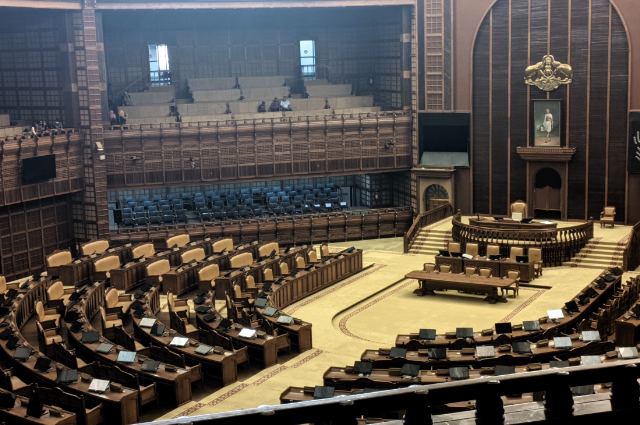
The presentation of the 2026-27 State Budget by Finance Minister K.N. Balagopal marks a pivotal moment in the contemporary history of Kerala. As the final budget of the current Left Democratic Front (LDF) government, it is not merely a statement of accounts but a strategic manifesto designed to resonate with an electorate preparing for the upcoming Assembly polls. The atmosphere in Thiruvananthapuram on January 29, 2026, was thick with anticipation. Balancing the urgent need for infrastructure development with the moral obligation of social security has always been Kerala’s unique "development model" challenge.
With the Economic Review 2025 showing a robust real GSDP growth of 6.19% for the previous fiscal year, the Finance Minister approached the podium with a degree of economic confidence. However, the shadow of the 16th Finance Commission's upcoming recommendations and the perennial struggle with the Union Government over borrowing limits provided a sombre backdrop. This article delves into the granular details of the budget, exploring its multi-dimensional impact on the youth, the elderly, the labour force, and the industrial landscape of the "God’s Own Country."
Empowering the Vanguard: The Strategic Expansion of Work Scholarship Schemes
One of the most significant highlights of the 2026 Budget is the aggressive push toward youth employment through the "Connect to Work" scholarship scheme. By allocating ₹400 crore to this initiative, the government is addressing the "educated unemployment" paradox that has long plagued the state. This scheme provides ₹1,000 monthly financial assistance for up to a year to educated, unemployed youth aged 18-30. While the amount might seem modest, its structural intent is to provide a safety net while these individuals transition from academic life to professional careers.
In a state like Kerala, where the literacy rate is near-universal, the aspirations of the youth are high. The budget recognizes that the transition period after graduation is often fraught with financial anxiety. By formalizing this scholarship, the LDF government is attempting to create a "bridge" to the gig economy and modern service sectors. Furthermore, the integration of these scholarships with skill-development programs indicates a shift from mere doles to capacity building. Critics may argue about the adequacy of the amount, but the political messaging is clear: the government is invested in the future of its youngest citizens.
Social Security Fortifications: Strengthening the Safety Net for the Vulnerable Kerala’s social security pension system is arguably the most comprehensive in India, and the 2026 Budget takes this a step further by allocating a staggering ₹14,500 crore to social welfare pensions. This massive outlay is a direct response to the LDF’s manifesto promise of eventually hiking pensions to ₹2,500. While the current hike is incremental, the commitment to the total outlay ensures that millions of elderly, widows, and physically challenged individuals continue to receive their monthly sustenance without disruption.
The socio-economic impact of these pensions cannot be overstated. In rural Kerala, these payments often constitute the primary source of liquidity for households. The Finance Minister’s decision to prioritize this, despite fiscal constraints, reflects the "Kerala Model's" emphasis on human development. The budget also addresses the long-standing demand for a hike in allowances for grassroots workers. Anganawadi workers have seen a hike of ₹1,000, while helpers and Asha workers receive increases of ₹500 and ₹1,000 respectively. These workers are the backbone of Kerala’s celebrated public health and child care system, and acknowledging their contribution through budgetary hikes is both a moral and a strategic political move.
The 6.19% Growth Paradigm: Analyzing the Realities of the Economic Review
The Economic Review 2025, tabled just a day before the budget, provides the empirical foundation for Balagopal’s fiscal strategy. A growth rate of 6.19% in real terms is significant, especially when compared to the national average and the economic volatility seen in neighboring states. This growth is driven largely by the services sector, including tourism, information technology, and the burgeoning "knowledge economy." The budget attempts to capitalize on this momentum by providing incentives for tech startups and small-scale industries. However, "real growth" also brings challenges, particularly in terms of wealth distribution and inflationary pressures. The Finance Minister’s "realistic and practical" approach involves acknowledging that while the GSDP is rising, the state’s revenue deficit remains a concern. The budget tries to address this by streamlining tax collection and looking at non-tax revenue streams. The reliance on the 16th Finance Commission for a fairer share of central taxes is a recurring theme, highlighting the complex federal financial architecture of India. The 6.19% figure acts as both a shield against criticism and a platform for future investments.
Infrastructure and the "New Kerala": Capital Outlay for Connectivity
Infrastructure development is often viewed as the engine of long-term economic sustainability. In the 2026 Budget, the Finance Minister has earmarked significant funds for "connectivity projects," including the modernization of state highways and the expansion of the "SilverLine" semi-high-speed rail project’s peripheral requirements. By focusing on logistics and ease of movement, the government hopes to attract more private investment into the state’s industrial corridors.
The focus is not just on mega-projects but also on "micro-infrastructure." This includes the renovation of traditional markets, the improvement of inland waterways, and the strengthening of coastal protection walls. Kerala’s geography, while beautiful, is increasingly vulnerable to climate change. Therefore, the infrastructure projects mentioned in the budget often have a "green" component, emphasizing sustainable construction materials and disaster-resilient designs. This dual focus on modern connectivity and environmental protection is essential for a state that relies heavily on its natural beauty for tourism revenue.
The Agriculture Pivot: Modernizing the Primary Sector for Export
Agriculture in Kerala has often struggled with high labour costs and fragmented land holdings. The 2026 Budget attempts to solve this through "Value-Added Agriculture." By providing subsidies for food processing units and promoting organic farming cooperatives, the government aims to increase the income of the traditional farmer. There is a specific focus on plantation crops like rubber, coffee, and spices, which are the mainstays of the state’s agricultural export economy.
The Budget proposes the establishment of "Agri-Tech Zones" where farmers can access modern machinery and scientific farming techniques. The allocation for the dairy and poultry sectors also sees an uptick, aiming for self-sufficiency in protein production. By linking the "Connect to Work" scholarship with agricultural startups, the government is trying to encourage the youth to look at farming as a viable, high-tech career path rather than a legacy of the past. This modernisation is crucial for reducing the state’s dependence on neighbouring states for essential food supplies.
Health and Education: Sustaining the Pillars of the Kerala Model
Kerala’s global reputation is built on its achievements in health and education. The 2026 Budget continues this legacy by allocating substantial funds for the "Aardram Mission" and the modernisation of government schools. The focus has shifted from "access" to "quality." For instance, funds have been set aside for introducing AI-based learning tools in higher secondary schools and upgrading primary health centres into "family health centres" with advanced diagnostic facilities.
A unique feature of this year's budget is the emphasis on "Health Tourism." By providing incentives for private hospitals to upgrade their infrastructure to international standards, the state hopes to become a global hub for affordable, high-quality medical care. In education, the focus is on "Skill Parks" that align curriculum with industry needs. This is a direct attempt to tackle the brain drain, where the best minds of Kerala leave for foreign shores due to a lack of high-end research and job opportunities at home.
The Fiscal Tightrope: Managing Debt and Central Transfers
One of the most contentious issues in Kerala’s fiscal discourse is the state’s debt-to-GSDP ratio and the borrowing limits imposed by the Union Government. Finance Minister Balagopal’s speech was laced with critiques of "fiscal federalism" in its current form. The budget reflects a strategy of "aggressive survival," where the state maximises its own tax revenue while simultaneously fighting for its constitutional rights in the Supreme Court and through political channels.
The budget anticipates a tighter fiscal space as the 16th Finance Commission’s recommendations loom. To mitigate this, the Minister has proposed various austerity measures in government departments and a more rigorous audit of public spending. However, the pressure to maintain high social spending in an election year makes this a difficult balancing act. The "realistic" tag the Minister gave his budget is an admission of these constraints. The success of the 2026-27 fiscal plan depends heavily on the state’s ability to manage its interest payments without compromising on developmental capital.
Environment and Climate Resilience: Budgeting for a Changing Planet
Following the devastating floods of 2018 and subsequent landslides, climate resilience has become a permanent fixture in Kerala’s budgetary planning. The 2026 Budget introduces the "Green Kerala Initiative," which integrates waste management, water conservation, and afforestation. Significant funds have been allocated to the "Kuttanad Package" and the "Idukki Package," specifically designed to address the ecological vulnerabilities of these regions.
Carbon neutrality is another goal highlighted in the document. Incentives for electric vehicles (EVs), the promotion of solar energy for public buildings, and the restoration of mangroves are all part of a broader strategy to reduce the state’s carbon footprint. By positioning Kerala as a "Green State," the government hopes to attract eco-conscious tourists and international "green funds." The budget recognises that economic growth at the cost of the environment is a zero-sum game for a state as ecologically sensitive as Kerala.
A Vision for Continuity and Growth
The Kerala Budget 2026-27 is a document of both ambition and pragmatism. It seeks to reward the loyal base of the LDF through pension hikes and worker benefits, while also wooing the youth and the business community through scholarships and infrastructure projects. As the Finance Minister stated, the budget reflects a conviction that the current government will continue its journey. It is a roadmap that tries to reconcile the immediate pressures of an election with the long-term requirements of a modern, growing economy.
Whether the ₹400 crore for youth scholarships or the ₹14,500 crore for social pensions will translate into electoral success remains to be seen. However, as an economic document, it succeeds in identifying the core strengths and weaknesses of the Kerala economy. By leveraging the 6.19% growth rate and focusing on value addition and social equity, the budget attempts to ensure that the "Kerala Model" remains relevant in a rapidly changing India. In the coming months, as the state goes to the polls, this budget will serve as the primary argument for the LDF’s governance record and its vision for the future.
. . .
References and Bibliography:
- Government of Kerala. (2025). Economic Review 2025. State Planning Board, Thiruvananthapuram.
- The Hindu Bureau. (2026, January 29). Kerala Budget 2026 LIVE Updates. Retrieved from The Hindu.
- Balagopal, K. N. (2026). Speech for the 2026-27 State Budget. Kerala Legislative Assembly.
- Reserve Bank of India. (2025). State Finances: A Study of Budgets. Mumbai.
- Isaac, T. M. T. (2024). The Kerala Model: Persistence and Challenges. LeftWord Books.
- Ministry of Finance, Government of India. (2025). Report of the 15th Finance Commission and 16th FC Preliminary Notes.
- Centre for Development Studies (CDS). (2025). Labour Market Trends in Kerala: An Analysis of Educated Unemployment.
- Nirmal, H. (2026). Photography and Visual Documentation of the Budget Session. Thiruvananthapuram.
- Department of Economics and Statistics, Kerala. (2025). GSDP Estimates and Sectoral Analysis.
- World Bank. (2025). Kerala: Climate Resilient Development Project Report.