
December 11th, 2025, the most awaited trip of the year. A trip planned since September, during a period that left me stressed, sitting at home, struggling with being between jobs, health problems, and the constant weight of uncertainty. Mumbai wasn’t an impulse plan; it was something I had been counting down to, hoping it would offer a shift — if not relief, then at least movement.
The morning of December 11th began with a surprise. As I boarded the bus to Borivali, I ran into an ex-colleague I hadn’t seen in five years, seated right in front of me. The coincidence felt strangely comforting. We spent the bus journey talking, catching up, and laughing about work, life, and how much had changed. For those few hours, the journey felt easy, almost reassuring — a calm beginning to what I assumed would be a much-needed break.
The sense of ease continued when I checked into my hotel in Mira Road. It was a newly opened property, and I had booked a suite that, for its price, felt almost unreal for Mumbai. The room was quiet and spacious, with large windows that looked out onto highways stretching into the distance and hills that softened the chaos below. No towering construction sites were crowding the view, no constant honking seeping in — just space. That evening, I sank into the bathtub with a glass of wine, letting the water do what weeks of rest hadn’t managed. A long hot shower followed, with real water pressure — the kind that loosened bones I hadn’t realized were clenched. I could shut the door, draw the curtains, and exist without negotiating my presence. For a few hours, Mumbai felt manageable, even kind. I didn’t know then how quickly that sense of comfort would dissolve, or how often, over the next few days, I would mistake temporary calm for safety.
That evening, a friend I hadn’t seen in two years came to visit. At first, the conversation flowed easily, the kind of laughter that makes you forget the world outside. But after a few drinks, his behaviour shifted — he wanted me to sit beside him, kept pleading and pulling my hand, staring into my eyes in a way that made my stomach tighten. The silence was from his side; there was nothing to share, no experiences or stories to tell, no questions to ask. I was left filling the gaps with my own stories, my own questions, trying to keep the conversation alive. I had nothing to say to stop the discomfort, and yet I had to navigate it carefully. Eventually, I told him someone else would be arriving soon and asked him to leave. The calm of the suite, the tub, the hot shower — it hadn’t prepared me for this. In those moments, I realized that no matter how much control you think you have, some boundaries are yours alone to enforce.
After he left, a strange mix of emotions lingered. I felt bad, even though I had done the right thing. Part of me craved intimacy with him, a closeness I thought I wanted, but there was something about him that kept me away. I could feel the pull, but it didn’t feel right, and I couldn’t ignore that instinct.
The next day brought a complete energy shift. Friends visiting from South Africa — Surekha and Shravan Sonawane, my dad’s friends whose bond had lasted over sixty years — were staying in Mumbai, and I was invited to join them. I went to Surekha’s sister’s house, and from there, we moved into her daughter Janet’s penthouse in the same building. From the moment I stepped inside, I felt as if I had wandered into another world — beautifully decorated rooms, high ceilings, and a sense of space that made Mumbai’s usual chaos feel distant. Janet, her husband Shamil, and their two children welcomed me as if I belonged, and I couldn’t quite believe that strangers could be so effortlessly warm. The day began with shopping trips to DMart and casual conversations, but by evening, the penthouse was alive with laughter, music, and people I had only just met. Shamil mixed exotic cocktails while we danced into the night, eating dinner at 3:30 a.m. and finally collapsing into sleep at 4:30. It was surreal — strangers, who a few hours ago were just names, had become companions for the night, welcoming me into their home with a generosity that made the earlier tension feel like a distant shadow.
The next morning, barely an hour after collapsing into bed, we rushed to catch the ferry to Alibag, an hour’s drive from the city. The 40-minute ride was a whirlwind of sights and sounds — children running across the deck, a birthday party in full swing, cars being carefully loaded, and guides keeping everything moving smoothly. We managed to grab good seats and ordered hot coffee to ward off the early chill. The views were spectacular, the wind crisp against my face, and for a moment, I allowed myself to relax again. But I quickly realized that travel is only as smooth as the people you share it with. Energy levels, enthusiasm, and patience mattered more than I had anticipated. I learned — the hard way — that the right companions can make or break an experience, that some people want endless photos while others barely notice, and that even a beautiful ferry ride can teach you more about people than the landscape itself.
In Alibag, I had booked a seaside table at Boardwalk by Flamboyant, right at Mandwa Jetty, for 11:30 a.m. With about an hour to spare, we dashed to the beach to dip our feet in the sea — a moment I had been waiting for all year. The soft sand under my toes, the cool water brushing higher and higher toward my knees, and the vast expanse of the bay sent an electric energy through my body. Happy tears pricked my eyes as I breathed in the salty breeze. I was home. The sea had always been my weakness; I had been a beach child at heart. Those few minutes felt like a pill more potent than any I had taken this year, especially after a cancelled Goa trip in October had left me frustrated.
Finally, we made our way to the restaurant and settled into our table. Chilled beers and fresh seafood arrived, but as I’ve learned over and over, the right company makes all the difference. Aunty’s sister, who had accompanied us, had clearly never eaten sushi or calamari before — and watching her spitting food out with her hands at the table left me staring at the sea in a mix of embarrassment and disbelief. Surekha had been lucky, marrying Shravan and living in a “castle” in South Africa, learning everyday etiquette over the years. Her sisters, however, had been left to grow up in far less cultured ways, and this small moment was a hilarious reminder of it.
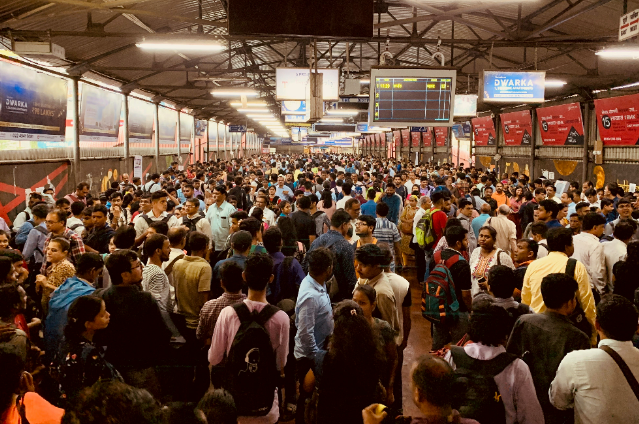
Heading back from Alibag proved more challenging than I had anticipated. There was no cab waiting for us, and we ended up standing on the side of the road for what felt like forever, surrounded by impatient honking and sweltering heat. Travelling with people who struggle with technology only made matters worse — they couldn’t book rides or track timings, and every delay felt like a small crisis. Finally, we managed to flag down a cab willing to take us to Churchgate station, but the real test was still to come. The local train back was a madhouse. Despite clear instructions to book the AC cabin, the nervous elderly lady had purchased tickets in a rush for the local compartment. As the train pulled in, the rush, the pushing, and the sheer volume of people left me wondering if I would even make it on board. Women of Mumbai proved formidable, pushing their way past me without hesitation, and I was caught between fear and disbelief as every station brought in more passengers, more chaos. Somehow, I managed to get off just in time, my heart racing, certain that one wrong step could have sent me under the wheels.
Just when I thought the worst was over, the rickshaw awaited. My oh my, he was nuts. Mumbai traffic was already as bad as ever, but he seemed to treat every lane as optional, weaving and honking with reckless confidence. My heart never stopped racing, but managed to get a good night’s rest.
Next morning, the “final ride” awaited — a driver sent by Surekha’s family to take us back to Pune, who was also their friend. If you have a death wish, I thought, then by all means, sit here. From Mumbai all the way back, he drove over potholes, braked with jerks, and accelerated into speed breakers with abandon. Every twist of the road had my stomach in my throat. When I asked him to slow down, he casually replied that I am also a driver, so why am I worrying? I felt like shouting at him and taking over, but instead, I closed my eyes and prayed to every god I believed in.
Two near-death experiences, two crazy old sisters, one chipku boy, and a fast-paced journey later, I finally arrived home, my body collapsing in relief. Just as I thought I could finally breathe, I noticed that the reckless, arrogant driver had plucked all the lemons from our tree — a small, absurd reminder that unpredictability never truly leaves your side.
Five days in Mumbai had tested patience, courage, and tolerance — from dancing with strangers to navigating ferries, trains, rickshaws, and two near-death drives. Yet amidst the chaos were moments of beauty: the sea, generosity, laughter, and even the absurdity of stolen lemons.
Mumbai threw everything at me, yet it quietly proved that boundaries, unexpected kindness, and sheer resilience are worth noticing.