
When I finished my engineering at a government college in my own city, I decided to pursue a professional one-year computer course at Pune University.
My elder brothers had already completed their engineering and were settled in other cities with government jobs. I am the youngest and the only girl child of my parents.
My father was not very strict with me, but we didn’t talk much. The communication bridge between us was always my mother. Although he wasn’t very happy with my decision, seeing my interest, he somehow agreed to send me to Pune. He even came along with me to make sure everything was settled properly.
After a couple of months of struggle, I adjusted to life in Pune University’s ladies’ hostel. The only way to talk to my parents was through old Nokia handsets. It was 2010–2011; smartphones weren’t common because they were expensive, and there was no WhatsApp either.
Just a week before my birthday, I received a letter.
It was from my father.
A light yellow envelope with stamps worth ₹3.25, the address written in bold blue ink in his mesmerising handwriting. It took me back to my childhood memories, when not too far from our house stood a red letter box. We would often go to drop letters written by our elder family members. Dropping a letter into the thin mouth of that box felt like a very special task of the day.
Waiting in the hot summer afternoons near the door for the postman uncle, holding an ice candy or sometimes raw mango sprinkled with masala salt, felt like the holidays we longed for. Postcards, inland letters, or light cream envelopes filled with conversations, from weather updates to neighbourly news, were like an ocean in a cup. Each letter would end with a promise to write again in a few days, and the sweet wait for a reply.
There was something magical about knowing that once a letter
I was so overwhelmed holding the letter in my hands. On second thought, it was sent; it would be acknowledged, and another one would return in response. I was surprised too because I used to speak with my parents twice a week over the phone. Then was there really any need for a letter?
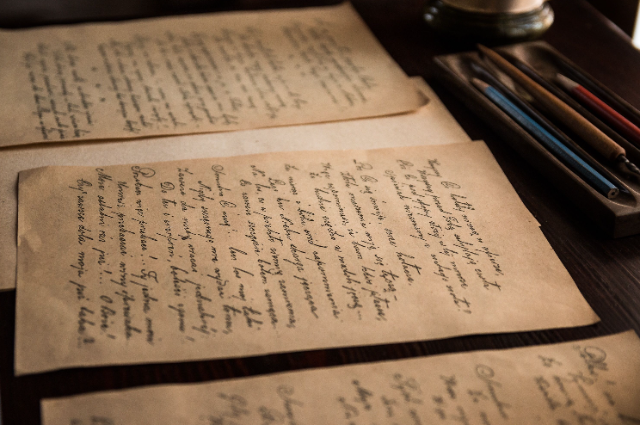
Still, I opened the envelope and unfolded the white sheet of paper. A note written in blue ink began:
“Dear Child,
I know this must be surprising for you to receive this letter. Your birthday is just around the corner. For the last 22 years, we have celebrated this day together with a box of your favourite sweets. This time, the sweets will be here… and you will be there.
I know I could never buy you a new dress, shoes, or anything beyond that box of sweets, and you never asked either. It’s not that I didn’t want to buy them for you, but you know the limits of a teacher’s small salary.
I always knew you wanted to study in a good college outside so that you could get placement. My hands were tied; I could not send you then. And now, even though your brothers have taken up their responsibilities, I still sent you away with a reluctant heart. Not because I didn’t want you to study, but because my heart had not accepted that you had grown so mature.
For me, you are still that little doll whom I held in my arms for the first time, when you tightly held my finger in your tiny, soft hands.
Even after having two sons, I felt something was missing in our family. When you were born, I thanked God countless times.
I know I raised you with strict discipline. That was only so that you would never fall behind your brothers.
Now that you are so far away to study, I feel proud and worried too. Unlike your mother, I cannot express all my concerns to you. But I have faith that your hard work will surely take you to your dreams.
Whenever you look back, you will always find your father standing there.
Many blessings and birthday wishes.
Your Father.”
Like dry land soaking in the first rain, the soil releasing its earthy fragrance as it prepares to nurture new plants, perhaps my tears were like that, too.
So many waves of emotions, rising and falling, were contained in that single page, in those blue letters that sometimes appeared bold and sometimes trembled. How do letters manage to carry so much within themselves? Passing through so many unknown hands, carrying the weight of so many hearts, sometimes joy, sometimes sorrow, and yet, every time, they reach the right hands.
The history of letters stretches far back in time. Both writing and reading them carried a significance of their own. Letters were never merely a means of exchanging information; they were also a quiet exchange of culture, memory, and civilisation itself. Through stamps, small yet meaningful, they introduced us to the historical figures and heritage of a nation, turning every envelope into a travelling fragment of history.
Somewhere along the way, these letters seem to have faded from our lives. Modern communication has gifted us emails, instant messages, and the ease of immediate connection, yet in gaining speed, we may have lost the rituals that once made communication deeply personal. There was a time when a letter arriving at home belonged to everyone; one person would read it aloud while others gathered around, listening, imagining, and feeling together. That shared pause has quietly disappeared.
Today, conversations often end in brief messages, efficient, precise, and quickly forgotten. Written in structured words but often detached from touch and time, such messages succeed in delivering information but rarely leave behind a lasting imprint. Messages that can be deleted within seconds may never fully convey the lingering fragrance of a dried rose pressed inside a love letter, or the quiet excitement of waiting days, sometimes weeks, for a reply.
Years have passed, and my father is no longer with us, yet the letter he wrote remains carefully preserved even today. People may drift apart with time, but letters quietly safeguard memories as a living inheritance. We may never return to that era, but the feeling of holding a letter and reading it again is impossible to forget, as if, in those folded pages, the people we have lost continue to stand beside us whenever we turn back.