
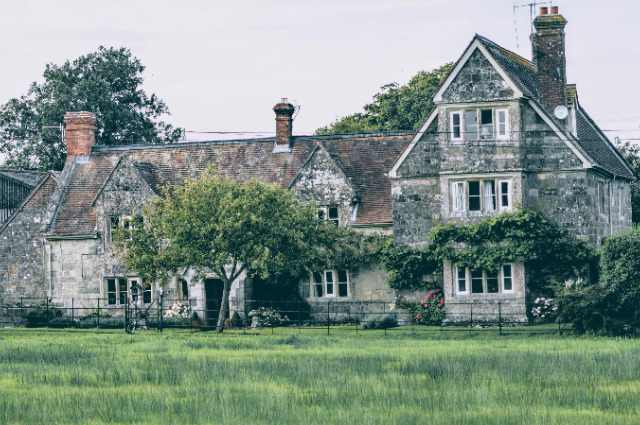
I grew up in a small town in Chhattisgarh. From childhood, I remember a neem tree standing barely five meters from our doorway. It stood midway between the main road and our boundary wall, as if it had chosen the spot deliberately.
Some of its branches stretched over a portion of our rooftop. Crows had built their nests there, and during heavy rains and strong winds, it often felt as if the tree might fall straight onto our house. We would panic. My father never did. He would calmly say, “Nothing will happen. This tree is as strong as I am.” And we believed him.
I was the youngest of three siblings, and perhaps my father’s favourite. His attachment to that tree puzzled me. In my Class 3 textbook, I learned that trees give us oxygen, wood, fruits, and medicinal value. This is what we know about any tree or plant.
At night, my elder brothers would point toward the rooftop and say a ghost lived there, and I would freeze. I would freeze in fear. One day, exhausted by my own imagination, I demanded that my father cut it down. He laughed and explained that ghosts do not live on trees; birds do.
I argued further. Why neem? Why not mango, guava, or jamun? He said neem was medicinal. Mango would draw people. Guava wouldn’t last. Neem needed no protection. He had chosen it deliberately.
Time passed. I became a teenager, and pimples appeared on my face. Neem leaves were crushed into a paste and applied to my skin. I was made to drink neem juice too. My pimples faded, and for the first time, I began to understand the tree’s usefulness beyond textbooks.
In summer, tired passersby would rest in its shade. When people asked for directions to our house, the answer was simple: “The one near the neem tree.” We tied a rope to a branch hanging over our roof and turned it into a swing. Many afternoons were spent moving back and forth under its canopy.
As the town expanded, road widening was announced. Municipal workers arrived to cut the tree. My father argued fiercely, listing reasons, appealing, refusing. The tree was spared. My father breathed with relief, and somehow it felt as if the tree did too.
Years went by. With every monsoon, neighbours warned us that the tree had grown too large and could fall on the house. They suggested trimming its branches. My father never agreed. He repaired the house when needed, but refused to let even a single branch be cut. After every autumn, the tree stood tall again, fresh shoots appearing as if nothing had happened.
Around this time, I read about tribal communities in Bastar who perform rituals before plucking even a leaf. They ask permission from trees and seek forgiveness. I laughed when I read that. Who asks permission from trees?
By then, I was technically educated. Such beliefs felt primitive. To me, a tree was still just a provider of oxygen and medicine. I found my father’s emotional bond with it amusing, even unnecessary.
Municipal authorities came again, twice more, with orders to cut the tree. Each time, my father stood firm. From childhood into adulthood, I watched many things change. My grandparents passed away. My brothers grew up, found jobs, and got married. But the tree and my father remained, standing quietly and stubbornly in their places.
Eventually, I moved to Pune for education and work. Home visits became less frequent. My father grew older. The tree did too.
In 2015, I married and moved to Gurgaon. Around the same time, my father’s health declined, and the tree’s forward-growing branches began to dry. When I asked my mother why, she said the tree was simply old, though I remembered reading that trees can live for a hundred years.
One day, my mother told me the municipal officers had come again. This time, my father could not resist. He signed a consent allowing the tree to be cut if road widening required it. His hands trembled. For the first time, he spoke to the tree. “Forgive me.”
His health declined rapidly after that. Doctors could not identify a specific illness. Soon, my father was gone. I cried endlessly, wondering why he had to leave so early. My six-month-old daughter had barely seen him.
The tree stood silent. Birds no longer nested there. Branches dried one by one. We cut some of them, and it felt as though the tree had decided not to grow anymore.
Did the tree feel my father’s absence?
No, I told myself. It was only a tree. That was what I had been taught.
Gradually, it dried on its own. Within two years of my father’s death, it became lifeless wood. No leaves returned, even after the rains. Perhaps it simply chose not to.
My mind knows that trees have life, not emotions. My heart is no longer so certain.
Our house aged too. Despite repeated repairs, during the monsoon of 2024, a portion of the roof collapsed. My mother fractured her leg. I rushed from Gurgaon and saw the dry tree still standing. The branches extending over one room remained intact, and that room’s roof stood strong. The part of the house untouched by the tree’s shade had collapsed.
The tree everyone had feared stood there, even in death, protecting us.
Today, the house no longer exists. Neither does the tree that once defined it. In cities like Delhi and Gurgaon, I see homes decorated with metallic “Trees of Life,” placed in corners for luck or beauty. My mind finds them pleasing. My heart feels nothing. I have known a real tree of life, one that breathed with us, protected us, and chose to leave with the man who planted it.
When my eight-year-old daughter asks me, “If trees eat, breathe, and grow like us, why don’t they speak or understand like us?” I don’t want to give her only textbook answers. I want to give her this memory too. Perhaps one day, she will understand what I couldn’t for a long time, because of my own limited thinking.