
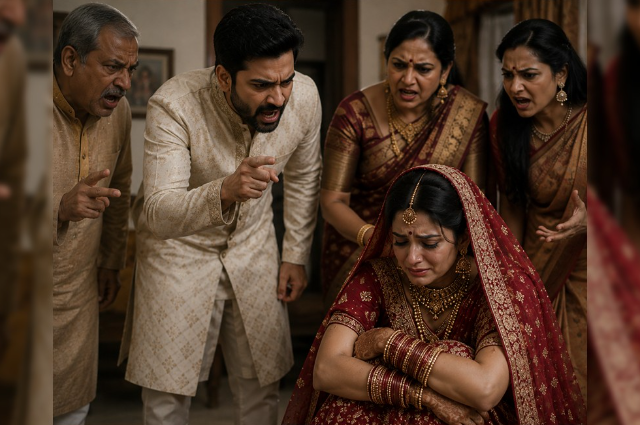
When Silence Becomes a Final Cry
A young woman sits quietly in a room filled with people, yet feels completely alone. She smiles in front of her family, completes her responsibilities, and hides the pain that grows deeper every day. The world around her may see a normal life — a marriage, a home, a family — but behind closed doors, she may be fighting battles that nobody notices. The words she never speaks, the tears she never shows, and the suffering she silently carries can sometimes reach a point where life itself begins to feel unbearable.
The increasing cases of women’s suicides are not merely individual tragedies. Each life lost represents a deeper social reality that demands attention. Behind many such incidents are complex layers of emotional suffering, relationship struggles, social expectations, and a lack of support. A woman’s decision to end her life is rarely caused by one single moment; it is often the result of long periods of pain, neglect, helplessness, and feeling trapped.
Marriage, which is expected to be a relationship built on love, respect, and companionship, can sometimes become a source of pressure when unrealistic expectations enter the relationship. The burden of adjustment often falls unfairly on women, who are expected to tolerate difficulties silently for the sake of family reputation. In some cases, dowry demands, financial pressures, emotional neglect, and domestic abuse create an environment where a woman’s confidence and sense of self gradually disappear.
One of the most painful aspects of such situations is the silence surrounding them. Many women hesitate to share their struggles because of fear, shame, social judgment, or the belief that nobody will understand. Families and communities sometimes focus more on protecting social image than protecting the person who is suffering. This lack of emotional and practical support can make a difficult situation feel impossible to escape.
Therefore, the question that society must seriously ask is not only about why women choose suicide, but why so many women reach a stage where death appears to be the only escape from unbearable suffering.
Understanding these silent cries is the first step toward creating a society where women are heard before they break, supported before they suffer alone, and valued beyond the roles and responsibilities placed upon them.
The Reality Behind Women’s Suicides: Beyond the Statistics
Behind every suicide statistic is not just a number, but a person with dreams, relationships, struggles, and a story that often remained unheard. When we discuss women’s suicides, it is important to move beyond numbers and understand the human experiences behind them. Statistics help society recognise the scale of the problem, but they cannot fully explain the emotional pain, social pressures, and personal battles that lead someone to such an extreme decision.
Suicide among women is a global concern. Around the world, women face different forms of pressure based on their social, economic, cultural, and family environments. In India, suicide among women has also remained a serious social and public health issue. Data collected through national reporting systems has shown that family-related problems, marriage-related difficulties, dowry disputes, and other personal struggles are among the factors associated with women’s suicides. The World Health Organisation also recognises suicide as a major global public health challenge, requiring prevention strategies that include mental health support and social intervention.
However, suicide is rarely the result of one single incident. A misunderstanding, an argument, or one painful moment may appear to be the immediate cause, but often there is a longer history of emotional suffering behind it. Continuous stress, repeated humiliation, loneliness, unresolved conflicts, or a feeling of being trapped can slowly affect a person’s ability to cope.
One major factor connected with suicidal thoughts is mental health. Conditions such as depression and anxiety can deeply influence how a person sees their own life and future. A woman experiencing depression may feel hopeless, powerless, or unable to imagine improvement. Anxiety can create constant fear, emotional exhaustion, and a feeling of losing control. When these struggles are ignored or misunderstood, the suffering can become heavier.
Social isolation is another important factor. Many women live within families and communities but still experience emotional loneliness. They may have people around them but lack someone who truly listens without judgment. When a person feels that their pain is invisible, they may begin believing that their existence does not matter.
Relationship conflicts can also become a major source of distress. Marriage-related problems, lack of emotional support, domestic violence, controlling behaviour, or constant criticism can damage a person’s sense of safety. For some women, the expectation to “adjust” and silently tolerate suffering prevents them from seeking help at the right time.
Economic dependency can increase vulnerability as well. A woman who depends completely on others financially may feel that she has limited choices or cannot leave a harmful situation. The fear of becoming a burden, facing uncertainty, or losing social security can keep many women trapped in painful circumstances.
Another powerful but less visible pressure is the fear of social judgment. In many societies, women are often taught to protect family reputation even at the cost of their own emotional well-being. Fear of what relatives, neighbours, or society will say can stop women from speaking openly about their struggles. The pressure to maintain an image of a “perfect family” can hide serious problems happening behind closed doors.
Therefore, women’s suicide should not be viewed only as a personal failure or individual weakness. It is also a reflection of how society responds to suffering. Mental health must be understood as a social issue, not just a medical issue. Families, communities, workplaces, and institutions all have a role in creating environments where people can ask for help without shame.
Statistics reveal patterns, but every number represents a human life — a daughter, a wife, a mother, a sister, or a friend. Behind every figure is a story of emotions, struggles, and dreams that deserved understanding and support. The real goal is not only to count lives lost but to create a society where fewer people reach a point where they feel there is no way forward.
Marriage: From Partnership to Pressure System
Marriage has traditionally been understood as a relationship built on companionship, responsibility, trust, and mutual support. In many cultures, marriage represents the beginning of a shared journey where two individuals come together to build a family and face life’s challenges together. At its best, marriage provides emotional security, respect, and a sense of belonging. It is not only a social arrangement but also a partnership where both individuals contribute through understanding, care, and responsibility.
However, the meaning of responsibility within marriage has sometimes changed into an unfair expectation, especially for women. A healthy marriage requires both partners to adjust, compromise, and support each other. Responsibility means sharing difficulties, respecting each other’s needs, and working together during challenging times. It does not mean that one person must continuously sacrifice their happiness, identity, or emotional well-being to maintain the relationship.
In many societies, women are often expected to carry a greater burden of adjustment after marriage. They may be told to tolerate problems, remain silent during conflicts, and prioritise family peace above their own struggles. While patience and understanding are important qualities in any relationship, expecting one person to accept constant pain, disrespect, or emotional suffering is not responsibility — it is an unfair burden.
Some marriages gradually become spaces where control replaces care. A relationship that begins with hope can turn into an environment filled with fear, pressure, and emotional exhaustion. Control may appear in different forms — limiting personal choices, controlling finances, isolating someone from their support system, constantly criticising them, or making them feel that they are never good enough. These behaviours may not always be recognised immediately, but over time they can deeply affect a person’s confidence and mental health.
Emotional suffering within marriage is often difficult to identify because it does not always leave visible signs. A person may live in a house, perform daily responsibilities, and appear normal to others while experiencing loneliness and pain internally. The absence of physical violence does not mean the presence of a healthy relationship. Emotional neglect, lack of appreciation, and continuous disrespect can also create deep wounds.
One major problem is the social expectation placed on women to “save the marriage” at any cost. Many women are encouraged to tolerate difficulties because of children, family reputation, or fear of society’s opinions. They may hear statements such as “adjust a little more” or “all marriages have problems.” While every relationship requires effort, normalising suffering can prevent people from addressing serious issues. Protecting a marriage should not mean destroying an individual’s dignity and peace.
Another important issue is the lack of preparation for emotional maturity before marriage. Many people enter marriage with expectations shaped by family, culture, or media, but without learning essential skills such as communication, conflict resolution, emotional awareness, and mutual respect. Marriage requires more than attraction or social approval; it requires two individuals who understand responsibility, empathy, and partnership.
Preparing for marriage should include conversations about values, financial responsibilities, personal boundaries, and emotional needs. Couples should understand that disagreements are natural, but the way they handle disagreements defines the strength of the relationship.
The transformation of marriage from partnership to pressure happens when expectations become one-sided. A healthy marriage should not demand that one person loses themselves to keep the relationship alive. Instead, it should create a space where both individuals feel safe, respected, and valued.
Ultimately, marriage should be a place where people find support during life’s difficulties, not a place where they silently carry unbearable burdens. Rebuilding the idea of marriage requires moving away from sacrifice without limits and moving toward equality, understanding, and shared responsibility.
Dowry: A Social Evil That Changes Forms
Dowry has existed for centuries as a social practice connected with marriage, property, and family traditions. Historically, in some communities, the giving of wealth or belongings to a daughter at the time of marriage was considered a form of support or inheritance. It was sometimes viewed as a way to provide financial security for women who were moving into a new household. However, over time, this practice changed in many places from voluntary support into a system of expectation and demand.
Today, dowry is no longer limited to traditional forms of wealth or property. It has transformed into different forms of pressure that continue to affect women and their families. Although laws exist to prohibit dowry demands, the practice continues in many societies because of deep-rooted social beliefs, family pressures, and the desire to maintain social status. The problem is not only the exchange of money or material goods but the mindset that connects a woman’s value with what her family can provide.
Modern dowry expectations often appear in indirect ways. Instead of openly demanding a specific amount, some families create pressure through expectations about lifestyle, expensive gifts, vehicles, property, or financial support. Sometimes demands increase after marriage, creating a situation where women face continuous pressure from their husband’s family. What begins as a marriage arrangement can become a long-term financial burden.
One of the most harmful aspects of dowry is the comparison culture surrounding marriage. Families may compare themselves with others and believe that a marriage must match certain social standards. A family may feel pressured to provide more because another family gave expensive gifts, organised a grand wedding, or offered greater financial support. These comparisons turn marriage into a social competition rather than a relationship based on respect and compatibility.
For women, dowry pressure can directly affect dignity and emotional security. When a woman is judged based on the wealth or status of her family, she may feel that she is being treated as a financial responsibility rather than as an individual with her own identity and worth. The idea that a woman must “bring something” to deserve respect creates an unfair foundation for marriage.
Financial demands can also create continuous psychological pressure. A woman may experience guilt, anxiety, and fear because she feels responsible for problems created by dowry expectations. She may worry about conflicts between families, criticism from her husband’s relatives, or the possibility of being rejected because her family cannot meet certain demands. This constant stress can seriously affect mental health.
In some cases, dowry-related pressure becomes connected with emotional abuse, harassment, and violence. When a woman is repeatedly reminded about what her family has or has not provided, it can create an environment where she feels unwanted or unsafe. Such situations show that dowry is not simply an economic issue; it is also an issue of human dignity and equality.
However, the continuation of dowry is not only the responsibility of one side. Families play an important role in either continuing this culture or rejecting it. When parents believe that giving more dowry guarantees their daughter’s happiness, they may unintentionally strengthen a harmful system. Similarly, when families demand wealth in exchange for marriage, they contribute to treating relationships as transactions.
Rejecting dowry requires a change in social thinking. Families must teach that a daughter’s value is not measured by what she brings into marriage. A successful marriage should be built on character, compatibility, respect, and shared responsibility — not financial expectations.
Young people also have an important role in challenging this practice. Choosing a marriage without dowry is not only a personal decision but also a social statement that relationships should be based on equality rather than economic exchange.
Ultimately, dowry survives because society continues to give it acceptance in different forms. Ending it requires more than laws; it requires a change in attitudes, family values, and the way society understands marriage itself. A woman should enter marriage as an equal partner, not as someone carrying a financial burden created by social expectations.
Emotional Abuse: The Invisible Violence
When people hear the word abuse, they often imagine physical harm — injuries, violence, or visible suffering. Physical abuse is serious and cannot be ignored, but another form of abuse often remains hidden behind closed doors: emotional abuse. It does not leave visible marks on the body, but it can deeply affect a person’s confidence, mental health, and sense of self-worth.
Emotional abuse occurs when a person’s feelings, identity, and dignity are repeatedly damaged through words, actions, or controlling behaviour. In many relationships, emotional suffering is ignored because it is difficult to prove or explain. A woman may not have physical injuries, but she may still experience constant fear, sadness, and loneliness because of the way she is treated.
One common form of emotional abuse is constant criticism. Repeatedly pointing out mistakes, insulting someone’s appearance, abilities, personality, or choices can slowly reduce their confidence. When criticism becomes a daily experience, a person may start believing negative messages about themselves and feel that they are never good enough.
Humiliation is another painful form of emotional abuse. Being insulted in front of family members, compared with others, or made to feel inferior can create deep emotional wounds. Sometimes these actions are dismissed as “jokes” or “normal family behaviour,” but repeated humiliation can seriously affect a person’s mental well-being.
Isolation is also a powerful method of control. Some women may be prevented from maintaining close relationships with their own families or friends. Slowly losing access to emotional support can make a person feel trapped and dependent on the very environment causing their suffering. A strong support system often helps people recognise problems and seek help, so isolation increases vulnerability.
Controlling behaviour can appear in different forms. It may involve controlling finances, personal choices, movements, friendships, or communication. In a healthy relationship, partners respect each other’s independence, but excessive control removes a person’s freedom and creates a relationship based on fear rather than trust.
Threats, whether direct or indirect, can also create emotional suffering. Threatening abandonment, damaging reputation, taking away children, or creating fear about the future can force someone to remain silent. Over time, these experiences can make a person feel powerless and unable to imagine a different life.
One of the most damaging effects of emotional abuse is making someone feel worthless. When a person repeatedly hears that they are a burden, a failure, or incapable, their self-esteem can gradually break down. This emotional damage may contribute to depression, anxiety, and feelings of hopelessness.
Despite the pain they experience, many women hesitate to speak about emotional abuse. One major reason is shame. They may fear that others will judge them or question their decisions. Instead of receiving support, they may worry about being blamed for problems in their marriage or family.
Fear of social reputation is another barrier. In many communities, women are pressured to protect the image of their family. They may be told to tolerate difficulties to avoid embarrassment or criticism from relatives and society. This pressure often forces them to hide their suffering.
Financial dependence can also prevent women from seeking help. A woman who does not have economic independence may fear that leaving a harmful situation will create insecurity for herself or her children. The lack of financial freedom can make an already painful situation feel impossible to change.
Recognising emotional abuse is essential because invisible suffering is still real suffering. A healthy relationship should provide safety, respect, and emotional support — not fear and humiliation. Creating awareness about emotional abuse allows society to identify problems earlier and support women before silent pain becomes a crisis.
Family, Society and the Culture of Silence
A person’s suffering does not exist separately from the society around them. Family, friends, and communities play an important role in shaping how individuals experience difficulties and whether they feel safe enough to seek help. In many cases of women’s emotional suffering and marital struggles, the problem is not only the pain they experience but also the silence that surrounds it.
One of the biggest challenges is that society sometimes gives more importance to protecting reputation than protecting people. When a woman shares problems within her marriage, the first concern of others may become “What will people say?” rather than “What is she going through?” This focus on social image can force many women to continue suffering quietly.
Statements such as “Adjust,” “Everyone faces problems,” or “Think about family honour” are often used to encourage women to tolerate difficult situations. While compromise and patience are necessary parts of any relationship, these words can become harmful when they are used to ignore serious emotional pain, abuse, or injustice. They can send a message that a woman’s suffering is less important than maintaining the appearance of a successful marriage.
Silence often allows suffering to continue. When problems are hidden, the person experiencing them may feel more alone and helpless. The absence of open conversations can prevent families from understanding the seriousness of a situation until it reaches a critical stage. A person who feels unheard for a long time may begin to believe that there is no solution or support available.
Families have a powerful responsibility in creating a safe environment. A supportive family does not mean a family that encourages immediate separation from every difficulty, but a family that listens without judgment and helps a person make decisions with dignity and safety. Emotional support, understanding, and trust can make a significant difference during difficult times.
Parents have an important role even after their daughters are married. Marriage should not mean that a daughter loses her connection with her parents or that she must face every problem alone. Parents should remain emotionally available and create a relationship where their children feel comfortable sharing struggles without fear of blame or criticism.
Before marriage, families also have a responsibility to prepare young people for the realities of married life. Instead of focusing only on ceremonies, social status, and external expectations, they should encourage conversations about respect, communication, financial responsibility, emotional maturity, and equality between partners.
Communities also influence how people respond to suffering. A healthy society is one where people support those facing difficulties instead of judging them. Friends, relatives, neighbours, and social institutions can become important sources of encouragement when someone feels isolated.
Building emotional support networks is essential for preventing silent suffering. People need spaces where they can speak honestly, seek advice, and receive help without shame. Mental health support, counselling services, and awareness programs can strengthen these networks and encourage people to seek assistance earlier.
Ultimately, protecting family honour should never mean protecting silence. A family’s true honour is not measured by how well it hides problems but by how compassionately it supports its members. A society becomes stronger when it chooses understanding over judgment and human dignity over social pressure.
Men, Responsibility and Healthy Relationships
Discussions about women’s suffering in marriage should not become a conversation that places blame on one gender alone. A healthy relationship requires responsibility from both partners. Marriage is a shared journey where both individuals have a role in creating trust, safety, and emotional well-being. The focus should not only be on identifying problems but also on understanding how men and women can contribute to building healthier relationships.
Men have an important role in creating an environment where their partners feel respected, valued, and emotionally safe. A husband is not only a provider or decision-maker; he is also a companion who shares responsibility for the emotional and personal well-being of his wife. A strong relationship is built when both partners feel heard and supported.
One of the most important qualities in a healthy marriage is emotional intelligence. Emotional intelligence means understanding one’s own emotions and recognising the feelings of others. It helps individuals respond to conflicts with patience rather than anger and allows them to understand the struggles their partner may be experiencing. A person with emotional maturity does not ignore their partner’s pain or dismiss their feelings.
Respect is another foundation of a successful relationship. Respect means accepting that both partners have their own thoughts, dreams, opinions, and identities. Love without respect can become controlling, while respect creates equality and trust. A husband should value his wife not only for her role in the family but also as an individual person.
Communication is equally important. Many relationship problems become serious because emotions are not expressed openly or problems are avoided. Healthy communication allows couples to discuss difficulties, understand each other’s perspectives, and find solutions together. Silence, anger, or avoidance can create distance between partners, while honest conversations strengthen relationships.
Accountability is also essential. A mature person should be able to recognise mistakes and take responsibility for their actions. Admitting mistakes is not a sign of weakness; it is a sign of emotional strength. In a relationship, accountability helps prevent repeated harm and encourages personal growth.
Men also have a responsibility to challenge harmful ideas about masculinity. In some societies, masculinity is wrongly connected with control, authority, or emotional weakness. This mindset can create unhealthy relationships where power becomes more important than partnership.
True strength is not about controlling another person. Real strength is shown through kindness, patience, protection, and responsibility. A healthy man does not try to silence his partner; he creates space for her voice. He does not measure his role through dominance but through care and commitment.
Redefining masculinity means understanding that emotions are not weaknesses and responsibility is not a burden. A man who supports his partner, respects her independence, and stands with her during difficulties contributes to a stronger family and society.
Ultimately, preventing suffering within marriages requires a collective effort. Women should not carry the entire responsibility of maintaining relationships, and men should not be viewed only through the lens of blame. Both partners must learn the values that create healthy relationships — empathy, respect, communication, and accountability. A marriage becomes meaningful when two people choose to protect each other’s dignity and happiness.
Mental Health: The Missing Conversation
For many years, mental health has remained a topic that people hesitate to discuss openly. While physical health problems are usually recognised and treated, emotional struggles are often ignored or misunderstood. In situations involving women’s suffering, marital conflicts, and social pressure, mental health plays a crucial role. Understanding a person’s emotional state can help identify problems before they become severe.
Mental health awareness is important because emotional pain is not always visible. A person may appear normal from the outside while experiencing intense struggles internally. Many women continue their daily responsibilities, care for families, and maintain social relationships while silently dealing with sadness, fear, anxiety, or hopelessness. When these emotions are ignored for a long time, they can seriously affect a person’s ability to cope with life.
One important step toward prevention is recognising warning signs. Withdrawal from family, friends, and social activities can be an indication that someone is struggling emotionally. A person who suddenly loses interest in things they once enjoyed or avoids communication may be experiencing internal distress.
Hopelessness is another serious warning sign. When someone begins to believe that their problems will never improve or that there is no way forward, they may feel trapped in their situation. These thoughts can become dangerous when the person feels they have no support or solutions.
Extreme sadness, constant crying, emotional exhaustion, or changes in behaviour should not be ignored. Everyone experiences difficult emotions, but continuous and intense sadness may indicate deeper mental health struggles. Similarly, feelings of being trapped — believing that there is no escape from a painful situation — can create overwhelming emotional pressure.
In many families and communities, people hesitate to seek psychological support because of fear of judgment. Mental health problems are sometimes wrongly seen as weakness or something to hide. This attitude prevents many individuals from reaching out when they need help the most.
Counselling can play an important role in supporting people during difficult periods. A counsellor provides a safe space where individuals can express their feelings, understand their thoughts, and explore possible solutions without fear of criticism. Seeking counselling should be viewed as an act of awareness and strength, not as a sign of failure.
However, counselling alone cannot solve the problem unless society creates an environment where asking for help is accepted. Families should encourage open conversations about emotions instead of dismissing feelings. Listening with patience and empathy can make someone feel valued and supported.
Creating emotionally healthy environments requires changing the way society views mental health. People should be encouraged to speak about stress, sadness, and struggles without shame. Schools, workplaces, families, and communities all have a role in spreading awareness and reducing stigma.
Mental health is not separate from social issues; it is deeply connected to relationships, family life, and personal experiences. Preventing tragedies requires paying attention not only to visible problems but also to invisible emotional suffering.
A society that listens, understands, and supports mental well-being can help people seek help before their pain becomes unbearable. Sometimes, a conversation, a supportive person, or timely guidance can become the difference between losing hope and finding a way forward.
What Needs to Change? Building a Safer Future
Preventing women’s suffering and creating healthier relationships requires change at multiple levels — individual, family, and social. Laws and policies are important, but real transformation begins when attitudes, behaviours, and everyday actions change. A safer future can only be built when dignity, respect, and emotional well-being become priorities.
At the individual level, healthy relationships begin with understanding and respecting boundaries. Every person has the right to personal space, opinions, emotions, and choices. Respecting a partner’s boundaries creates trust and prevents relationships from becoming controlling or harmful.
Improving communication is another important step. Many conflicts become more serious when feelings are ignored or problems are not discussed openly. Learning to express concerns calmly, listen without judgment, and understand each other’s emotions can strengthen relationships. Couples should recognise that seeking solutions together is more valuable than trying to prove who is right.
Seeking help early is also essential. Many people wait until problems become unbearable because they fear criticism or social judgment. Whether it is emotional distress, relationship difficulties, or mental health struggles, reaching out for support at the right time can prevent situations from becoming more serious.
At the family level, one of the biggest changes needed is stopping the normalisation of suffering. Statements that encourage people to silently tolerate pain should be replaced with support and understanding. Families should not measure success by how long someone can endure difficulties but by how safely and happily their members can live.
Parents also have a responsibility to support both daughters and daughters-in-law equally. A daughter should not lose her right to support after marriage, and a daughter-in-law should not be treated as someone who must simply adjust to every situation. Every person entering a family deserves respect, care, and a sense of belonging.
At the social level, rejecting dowry culture is a necessary step toward equality. Marriage should not become a financial transaction where a woman’s value is connected to wealth or gifts. Communities must challenge traditions and expectations that create pressure on women and their families.
Mental health awareness must also become a normal part of social life. People should be encouraged to talk about stress, anxiety, depression, and emotional struggles without shame. Schools, workplaces, and communities can help create spaces where seeking psychological support is accepted.
Along with awareness, stronger legal and support systems are needed. Laws against dowry, domestic abuse, and harassment must be effectively implemented. Support services, counselling facilities, and protection mechanisms should be accessible to those facing difficult situations.
Building a safer future is not only about preventing tragedies; it is about creating a society where people feel valued before they reach a breaking point. Real progress happens when relationships are based on respect instead of control, support instead of silence, and dignity instead of social pressure.
Conclusion: Turning Cries into Conversations
The silent struggles of women should not remain hidden behind closed doors. Every life lost to emotional pain, social pressure, or unbearable suffering reminds us of the urgent need for change. Women’s lives should never become sacrifices made to protect traditions, expectations, or social reputation.
A society’s true progress is not measured only by its achievements, but by how safely its people can live, speak, and seek help. A woman should feel valued not only for the roles she performs but for who she is as an individual. Her voice, emotions, and dignity deserve recognition.
The responsibility belongs to everyone — families, communities, and individuals — to create spaces where suffering is heard before it becomes a crisis. The goal is not only to prevent deaths, but to build a world where nobody feels forced to choose silence over life.
References
- World Health Organisation (WHO) – Suicide Prevention and Mental Health - https://www.who.int
- World Health Organisation (WHO) – Mental Health: Strengthening Our Response - https://www.who.int
- National Crime Records Bureau (NCRB), India – Accidental Deaths & Suicides in India Reports - https://ncrb.gov.in
- Ministry of Health and Family Welfare, Government of India – Mental Health Resources - https://main.mohfw.gov.in
- United Nations Women (UN Women) – Violence Against Women and Gender Issues - https://www.unwomen.org
- National Legal Services Authority (NALSA), India – Legal Support and Women’s Rights - https://nalsa.gov.in
- UNICEF – Child Marriage, Gender Equality and Social Issues - https://www.unicef.org
- National Commission for Women (NCW), India – Women’s Rights and Complaints Support - https://ncw.nic.in
- The Dowry Prohibition Act, 1961 – India Code - https://www.indiacode.nic.in
- American Psychological Association (APA) – Mental Health and Emotional Well-being - https://www.apa.org
- International Labour Organisation (ILO) – Gender Equality and Economic Empowerment - https://www.ilo.org
- United Nations – Sustainable Development Goal 5: Gender Equality - https://sdgs.un.org