
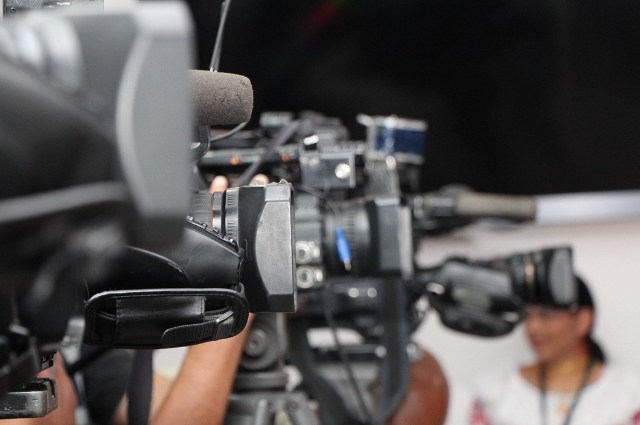
Image by David Aguirre from Pixabay
The Silent Erosion of a Democratic Pillar
Around the world, press freedom is facing one of its most challenging periods in recent history. From authoritarian regimes openly censoring dissent to democratic governments increasingly exerting pressure on critical media outlets, the space for independent journalism is shrinking at an alarming pace. Recent global press freedom assessments reveal a troubling trend: more countries than ever before are classified as difficult or dangerous environments for journalists. Physical attacks, legal intimidation, online harassment, surveillance, and economic pressures have become common tools used to influence, control, or silence the media.
Yet the erosion of media freedom is not merely a problem for journalists. It is a problem for society as a whole. A free press serves as a vital public institution that enables citizens to make informed decisions, scrutinise those in power, and participate meaningfully in democratic life. When journalists are prevented from reporting freely, the public loses access to reliable information, and governments, corporations, and powerful interest groups face fewer obstacles to operating without accountability.
Although media organisations function within competitive markets, journalism differs fundamentally from most industries. News is not simply a commodity; it is a public good. Independent reporting exposes corruption, uncovers abuses of power, documents social injustices, and amplifies voices that might otherwise remain unheard. The weakening of media freedom, therefore, represents more than a professional crisis—it signals a broader weakening of democratic institutions and civic culture.
The relationship between information and democracy is inseparable. Citizens can hold governments accountable only when they have access to accurate and diverse sources of information. When information becomes restricted, manipulated, or concentrated in the hands of a few powerful actors, democratic participation suffers. Transparency declines, public trust erodes, and misinformation flourishes.
India's recent decline in international press freedom rankings has intensified debates about the state of independent journalism in the world's largest democracy. Concerns regarding legal pressures, ownership concentration, political polarisation, and the safety of journalists have drawn both domestic and international attention. Examining these developments is essential not only for understanding the challenges facing journalism today but also for assessing the future health of democratic governance itself.
This article argues that the struggle for media freedom is ultimately a struggle for democracy, accountability, and the public's fundamental right to know.
Media Freedom and Democracy: An Inseparable Relationship
Media freedom refers to the ability of journalists and news organisations to gather, produce, and disseminate information without undue interference, censorship, intimidation, or control from governments, corporations, political groups, or other powerful actors. It is one of the foundational principles of modern democracy because it ensures that citizens have access to accurate information and diverse viewpoints necessary for informed decision-making. While freedom of the press is often discussed as a professional right enjoyed by journalists, its true significance lies in its role as a public right—the public's right to know.
The idea of a free press emerged gradually through centuries of political and intellectual struggle. In many parts of the world, early newspapers operated under strict state control, with governments regulating what could be published. The Enlightenment era brought new arguments in favour of free expression, individual liberty, and open public debate. Over time, democratic societies increasingly recognised that a government accountable to its citizens required an independent press capable of scrutinising those in power. As constitutional democracies developed, freedom of expression and press freedom became essential democratic values rather than mere privileges granted by rulers.
This democratic function of journalism is often described through the concept of the "Fourth Estate." Traditionally, political power was divided among institutions such as the executive, legislature, and judiciary. The press came to be known as the Fourth Estate because of its unique ability to observe, critique, and hold these institutions accountable on behalf of the public. Unlike elected officials or judges, journalists do not exercise formal political authority. Their power stems from their capacity to investigate facts, reveal hidden information, and bring issues of public concern into the democratic arena.
Independent journalism performs several vital functions in a democracy. First, it informs citizens about political developments, public policies, economic conditions, and social issues. Without reliable information, citizens cannot effectively participate in democratic processes. Second, the media acts as a watchdog by monitoring governments and exposing abuses of power. Investigative journalism has historically uncovered corruption scandals, human rights violations, financial misconduct, and administrative failures that might otherwise have remained hidden. Third, journalism protects the public interest by amplifying marginalised voices, facilitating debate, and creating a platform for competing ideas and perspectives.
When media freedom weakens, the consequences extend far beyond newsrooms. Governments face less scrutiny, corruption becomes more difficult to detect, and public institutions become less transparent. Citizens increasingly rely on rumours, propaganda, or misinformation instead of verified facts. Fear of retaliation may encourage self-censorship among journalists, reducing critical reporting and narrowing public debate. Over time, the erosion of media freedom undermines democratic accountability itself, creating conditions in which power becomes concentrated and public trust deteriorates.
For these reasons, protecting media freedom is not simply about defending journalists; it is about safeguarding democracy, transparency, and the public's fundamental right to information.
The World Press Freedom Index: Measuring the Health of Journalism
In an era when information shapes political decisions, public opinion, and democratic accountability, assessing the condition of media freedom has become increasingly important. One of the most widely cited tools for this purpose is the World Press Freedom Index, published annually by the organisation (RSF). Since its launch in 2002, the index has served as a global benchmark for evaluating the degree of freedom available to journalists and media organisations in different countries. Covering 180 nations and territories, it offers a comparative picture of how conducive each environment is to independent journalism.
The index does not measure the quality of journalism itself; rather, it evaluates the conditions under which journalism is practised. Its methodology is based on several key indicators. The political context assesses the extent to which governments, political parties, and public institutions respect media independence. The legal framework examines laws affecting freedom of expression, access to information, and the protection of journalists. The economic environment measures the influence of financial pressures, ownership concentration, and advertising dependence on editorial independence. The safety indicator evaluates physical attacks, arrests, threats, surveillance, and other risks faced by journalists. Finally, the social and cultural environment considers factors such as public attitudes toward the media, discrimination, polarisation, and societal pressures that may restrict free reporting.
Over the past two decades, the index has documented a worrying global decline in press freedom. Many countries that once enjoyed relatively open media environments have experienced increasing restrictions, while authoritarian governments have developed more sophisticated methods of controlling information. Journalists today face not only traditional censorship but also digital surveillance, coordinated online harassment, strategic lawsuits, internet shutdowns, and disinformation campaigns. The result is a growing number of countries classified as problematic, difficult, or even dangerous environments for journalism.
Several factors explain this trend. Rising political polarisation has encouraged governments and political movements to portray critical journalism as hostile or unpatriotic. National security concerns are increasingly used to justify restrictions on reporting. Meanwhile, economic pressures have weakened independent media organisations, making them more vulnerable to political and corporate influence. Advances in digital technology have further complicated the landscape by enabling both greater information access and more effective forms of monitoring and control.
Despite its importance, the World Press Freedom Index is not without limitations. Critics argue that rankings can oversimplify complex national realities and may not fully capture regional variations within countries. Others question whether international assessments adequately reflect local contexts. Nevertheless, the index remains one of the most valuable tools for identifying trends, comparing media environments, and drawing global attention to threats against press freedom. As such, it provides an important lens through which the health of contemporary journalism can be understood and evaluated.
India's Press Freedom Journey: From Constitutional Promise to Contemporary Challenges
The story of press freedom in India is closely intertwined with the country's democratic evolution. From its role in the anti-colonial struggle to its position in the world's largest democracy today, Indian journalism has been both a witness to and a participant in the nation's political and social transformation. While the Constitution guarantees freedom of expression as a fundamental right, the journey of Indian media has been marked by periods of remarkable independence as well as moments of significant constraint.
Although the Indian Constitution does not explicitly mention "freedom of the press," Article 19(1)(a) guarantees the right to freedom of speech and expression. Over the decades, the judiciary has repeatedly interpreted this provision as encompassing press freedom, recognising the media's essential role in facilitating informed public debate. This constitutional foundation has enabled the growth of a vibrant and diverse media landscape that includes newspapers, magazines, television channels, radio stations, and digital platforms operating in numerous languages.
The roots of Indian journalism can be traced to the colonial era, when newspapers became powerful instruments of political awakening and resistance. Publications associated with leaders, such as, and played a crucial role in mobilising public opinion against British rule. The press became a platform for articulating nationalist aspirations, exposing colonial injustices, and fostering political consciousness. This legacy established journalism as a public service closely linked to democratic participation and social reform.
Following independence in 1947, Indian journalism expanded rapidly. Newspapers emerged as influential institutions capable of shaping public discourse and holding governments accountable. The post-independence decades witnessed the strengthening of investigative reporting, political commentary, and regional-language journalism. Despite occasional tensions between governments and media organisations, the press generally enjoyed considerable autonomy and became a central pillar of India's democratic framework.
One of the most significant tests of press freedom came during the Emergency imposed between 1975 and 1977 under the government of. During this period, censorship was imposed, publications faced restrictions, and journalists encountered unprecedented pressure. The Emergency remains a defining moment in India's media history because it demonstrated how quickly democratic safeguards can be weakened when institutional checks are suspended. It also reinforced the importance of an independent press as a safeguard against the concentration of political power.
The liberalisation of the Indian economy in the 1990s transformed the media landscape once again. The proliferation of private television channels expanded access to news and diversified sources of information. In the twenty-first century, digital journalism and social media further democratized information production, enabling independent voices and alternative news platforms to reach large audiences. The internet reduced barriers to publication and created new opportunities for investigative and citizen journalism.
At the same time, contemporary debates have raised concerns about editorial independence and media autonomy. Critics point to increasing political polarisation, concentration of media ownership, economic pressures, legal challenges, and the growing influence of governments and corporations over news ecosystems. Others argue that governments must retain the ability to regulate misinformation, maintain public order, and address genuine national security concerns.
The central challenge facing India today lies in balancing these competing imperatives. A democratic society requires both security and freedom, but the preservation of one should not come at the expense of the other. As India continues to navigate complex political, technological, and social changes, the future of its democracy will remain closely linked to the ability of journalists to report freely, independently, and without fear.
Political Power and the Shrinking Space for Independent Journalism
The relationship between political power and journalism has always been characterised by a degree of tension. Governments seek to maintain authority, implement policies, and shape public narratives, while journalists are tasked with scrutinising those in power, questioning official claims, and exposing information that may be inconvenient to political leaders. In healthy democracies, this tension functions as an essential mechanism of accountability. However, when governments acquire excessive influence over media ecosystems, the space for independent journalism can gradually shrink, weakening democratic oversight and public trust.
Government influence over the media can take many forms. Direct censorship is one of the most visible methods, but contemporary democracies often employ more subtle mechanisms. These may include regulatory pressures, selective access to official information, financial incentives, licensing controls, and the strategic use of legal processes. Such measures may not formally prohibit journalism, yet they can create an environment in which critical reporting becomes increasingly difficult or risky.
One of the most debated issues in this context is the use of legal mechanisms against journalists and media organisations. Defamation laws, for example, are intended to protect individuals from false and damaging claims. However, critics argue that costly lawsuits can sometimes be used to discourage investigative reporting and burden journalists with lengthy legal battles. Similarly, laws related to sedition, public order, or national security have often generated controversy when applied to journalistic work. Governments typically justify such measures as necessary for maintaining stability and protecting state interests, while press freedom advocates warn that overly broad interpretations can create a chilling effect on free expression.
Restrictions on access to information represent another challenge. Effective journalism depends on the ability to obtain official records, attend press briefings, communicate with public officials, and access government data. When access becomes selective or heavily controlled, reporters may struggle to verify claims independently. Transparency is essential to democratic accountability, and barriers to information can limit the public's ability to evaluate government performance and policy decisions.
Investigative journalism is often particularly vulnerable to political pressure. Investigative reporters frequently examine issues such as corruption, abuse of authority, financial misconduct, human rights violations, and institutional failures. Such reporting can threaten powerful interests and therefore attract legal challenges, political attacks, surveillance, or public discrediting campaigns. Even when journalists are not directly censored, the possibility of retaliation may encourage self-censorship among media organisations seeking to avoid conflict with influential actors.
Political polarisation has further complicated the relationship between governments and journalism. In many democracies, media organisations are increasingly perceived through partisan lenses, with audiences often viewing news outlets as allies or opponents of particular political movements. This environment encourages accusations of bias, reduces public trust, and places journalists under pressure from competing political camps. Social media has amplified these dynamics by enabling the rapid dissemination of both information and misinformation, often intensifying ideological divisions.
India reflects many of these broader global trends. Debates surrounding defamation laws, national security legislation, digital regulations, access to information, and the treatment of critical journalists have become recurring features of public discourse. Similar concerns have emerged in countries as diverse as the United States, Turkey, Hungary, Brazil, and the Philippines, demonstrating that challenges to media independence are not confined to any single political system or region.
Ultimately, democratic governance requires a careful balance between legitimate state interests and the public's right to information. Governments have a responsibility to ensure security, public order, and legal accountability. At the same time, journalism must remain sufficiently independent to question authority, investigate wrongdoing, and provide citizens with the information necessary for meaningful democratic participation. Preserving that balance remains one of the most important challenges facing contemporary democracies.
Corporate Ownership, Media Concentration, and the Economics of News
The contemporary media industry operates at the intersection of journalism, politics, and business. While the press is widely recognised as a democratic institution responsible for informing citizens and holding power accountable, it is also an economic enterprise that requires substantial financial resources to function. Over the past few decades, rapid technological change, market competition, and globalisation have transformed many media organisations into large corporate entities. This transformation has significantly altered the economics of news production and raised important questions about ownership, editorial independence, and the future of public-interest journalism.
Historically, newspapers and news organisations were often owned by individuals, families, or relatively small publishing groups. Today, however, media ownership has become increasingly concentrated in the hands of large corporations and business conglomerates. Through mergers, acquisitions, and strategic investments, a small number of powerful companies often control significant portions of national media markets. Such concentration can reduce diversity of ownership and increase the influence of a limited group of economic actors over public discourse.
A related concern is the rise of cross-ownership, where the same corporate group owns multiple forms of media, such as newspapers, television channels, radio stations, digital platforms, film studios, and telecommunications networks. While cross-ownership can create economic efficiencies and improve profitability, critics argue that it may reduce the diversity of viewpoints available to audiences. When a handful of corporations dominate multiple communication platforms, the range of perspectives represented in public debate can become narrower.
Financial sustainability remains one of the most significant challenges facing modern journalism. Most commercial news organisations rely heavily on advertising revenue to support their operations. Traditionally, newspapers depended on print advertisements, while television channels relied on commercial sponsorships. In the digital age, however, advertising revenue has increasingly shifted toward global technology companies, placing significant economic pressure on traditional media institutions. As revenues decline, many news organisations face difficult choices involving staff reductions, reduced investigative reporting, and increased reliance on low-cost, high-traffic content.
Government advertising introduces another complex dimension to the economics of news. In many countries, public-sector advertising constitutes an important source of income for media organisations. While government advertising can be a legitimate means of communicating public information, concerns arise when its allocation appears influenced by political considerations. Critics argue that the selective distribution of advertising resources may create incentives for favourable coverage or discourage critical reporting. Even the perception of such influence can raise questions about media independence and public trust.
These economic realities often create tensions between editorial independence and commercial interests. News organisations may face pressure from advertisers, investors, owners, or political actors whose financial support is essential for survival. Journalists and editors are therefore required to navigate a complex environment in which professional ethics sometimes collide with economic imperatives. Maintaining editorial autonomy under such circumstances remains one of the central challenges of contemporary journalism.
The combined effects of ownership concentration, economic dependence, and political influence have contributed to the emergence of increasingly compliant or partisan news ecosystems in many parts of the world. Some media outlets align closely with particular political or ideological interests, while others avoid controversial reporting that could threaten financial stability. As a result, the boundary between independent journalism, corporate interests, and political advocacy can become blurred.
For democracies to function effectively, media systems must remain economically viable while preserving editorial independence. Achieving this balance is essential not only for the survival of journalism but also for the maintenance of informed citizenship, pluralistic debate, and democratic accountability.
Digital Media Revolution: Freedom, Opportunities, and New Threats
The digital revolution has transformed journalism more profoundly than any technological development since the invention of the printing press. The internet has fundamentally altered how news is produced, distributed, and consumed, creating unprecedented opportunities for information sharing while simultaneously introducing new challenges to media freedom and democratic discourse. In many ways, digital media has expanded access to information; in others, it has complicated the struggle for reliable and independent journalism.
One of the most significant developments of the digital age has been the rise of online journalism. Digital platforms have lowered barriers to entry, enabling independent journalists, small media organisations, and citizen reporters to reach audiences without the substantial financial resources traditionally required for print or broadcast media. News websites, blogs, podcasts, newsletters, and video platforms have diversified the media landscape and challenged the dominance of established news institutions. As a result, voices that were once excluded from mainstream media have gained new opportunities to participate in public debate.
Social media has further accelerated this transformation by becoming a major source of news for millions of people worldwide. Platforms such as Facebook, X, YouTube, Instagram, and TikTok allow information to spread instantly across geographic and political boundaries. During major political events, natural disasters, protests, and conflicts, social media often delivers information faster than traditional news outlets. This immediacy has empowered citizens to document events in real time and contribute directly to the public flow of information.
The democratisation of information production, however, has come with significant risks. The same technologies that enable wider participation also facilitate the rapid spread of misinformation and disinformation. False or misleading content can circulate quickly, often reaching larger audiences than verified reporting. Political actors, interest groups, and even foreign governments have exploited digital platforms to influence public opinion, manipulate narratives, and deepen social divisions. The challenge for citizens increasingly lies not in accessing information but in distinguishing credible information from falsehoods.
Another concern is the growing influence of algorithms in determining what people see online. Social media platforms prioritise content based on engagement, user behaviour, and commercial objectives rather than journalistic value. Consequently, sensational, emotional, or polarising content often receives greater visibility than carefully verified reporting. These algorithm-driven systems can create echo chambers that reinforce existing beliefs and reduce exposure to diverse perspectives.
Debates surrounding platform censorship and content moderation have also become increasingly contentious. Technology companies face pressure to remove harmful content, hate speech, and misinformation, yet decisions regarding moderation raise concerns about transparency, accountability, and freedom of expression. Critics argue that private corporations now exercise enormous influence over global public discourse without the democratic oversight applied to traditional institutions.
Meanwhile, digital surveillance and data monitoring have emerged as significant threats to journalistic independence. Governments and private actors possess increasingly sophisticated tools to track communications, monitor online activities, and collect personal data. Such capabilities can undermine source confidentiality and discourage investigative reporting.
For independent digital outlets, these challenges are compounded by financial uncertainty, platform dependency, cybersecurity risks, and intense competition for audience attention. While digital technology has expanded opportunities for free expression, preserving a healthy and independent digital media ecosystem remains one of the defining challenges of the twenty-first century.
Journalists Under Attack: Violence, Harassment, and Intimidation
Press freedom ultimately depends not only on laws and institutions but also on the safety of the individuals who practice journalism. Across the world, journalists increasingly face violence, intimidation, and harassment for performing their professional duties. Whether reporting from conflict zones, investigating corruption, covering organised crime, or scrutinising powerful political actors, journalists often work under conditions that place their personal safety and professional independence at risk. These threats have become one of the most visible indicators of the global decline in media freedom.
Physical attacks against journalists remain a serious concern in many countries. Reporters covering protests, elections, armed conflicts, and sensitive political issues are frequently subjected to assaults, injuries, kidnappings, and, in extreme cases, assassination. Local journalists are often particularly vulnerable because they lack the international visibility and institutional protection available to larger media organisations. Attacks on journalists are not merely attacks on individuals; they are attempts to prevent information from reaching the public.
Arrests and detentions have also become increasingly common tools for restricting journalism. Around the world, reporters have been detained under laws related to national security, public order, terrorism, or defamation. While governments often argue that such actions are necessary to enforce the law, press freedom organisations frequently warn that legal mechanisms can be used to silence critical reporting and discourage investigative journalism. Lengthy legal proceedings, repeated questioning, and the threat of imprisonment can create significant pressure even when journalists are eventually released.
In addition to state actions, journalists face threats from political groups, extremist organisations, criminal networks, and powerful private interests. Investigative reporters who expose corruption, financial misconduct, environmental crimes, or human rights abuses may become targets of intimidation campaigns designed to deter further reporting. Such threats often extend beyond journalists themselves and may affect their families, colleagues, and sources.
The rise of digital communication has created new forms of harassment. Coordinated online abuse campaigns have become increasingly common, particularly against journalists who report on politically polarised or controversial topics. Social media platforms can be used to spread threats, misinformation, and personal attacks at an unprecedented scale. In some cases, online harassment escalates into real-world intimidation, creating a continuous cycle of pressure and fear.
Women journalists frequently face additional challenges. Alongside professional criticism and political attacks, they are often subjected to gender-specific abuse, including misogynistic insults, sexualized threats, character assassination, and targeted harassment campaigns. Such attacks aim not only to silence individual journalists but also to discourage broader participation by women in public discourse and media leadership.
The cumulative psychological impact of constant intimidation should not be underestimated. Persistent threats, surveillance, legal uncertainty, and public hostility can lead to stress, anxiety, burnout, and emotional exhaustion. Faced with these pressures, some journalists may avoid sensitive topics or controversial investigations. This phenomenon, known as self-censorship, represents one of the most damaging consequences of intimidation. When journalists choose silence out of fear, important stories remain untold, abuses go unreported, and citizens lose access to information essential for democratic accountability.
Protecting journalists, therefore, is not solely a matter of occupational safety; it is a prerequisite for preserving the public's right to know and the health of democratic society itself.
Global Comparisons: What Different Countries Teach Us About Press Freedom
Press freedom is often described as a universal democratic value, yet its practice varies considerably across countries. Examining different national experiences reveals how political systems, legal protections, economic structures, and social cultures shape the environment in which journalism operates. These comparisons offer valuable lessons about both the strengths and vulnerabilities of media freedom in the modern world.
The Nordic countries—particularly Finland, Norway, Sweden, and Denmark—are frequently regarded as global models of press freedom. These nations consistently rank among the highest in international press freedom assessments due to strong legal protections, transparent governance, low levels of political interference, and high public trust in institutions. Journalists generally operate without fear of censorship or violence, while robust access-to-information laws enable effective scrutiny of public authorities. Importantly, these countries also maintain media systems that balance commercial viability with strong commitments to public-service journalism.
In contrast, authoritarian and semi-authoritarian systems often impose significant restrictions on media independence. Governments may exercise direct control over news organisations, censor critical reporting, limit access to information, or use surveillance technologies to monitor journalists. In such environments, journalism is frequently viewed not as an independent institution but as an instrument for advancing state interests. As a result, public debate becomes constrained, and citizens have fewer opportunities to access diverse perspectives.
The United States presents a more complex case. Protected by strong constitutional guarantees and a long tradition of investigative journalism, the American media remains among the most influential in the world. At the same time, increasing political polarisation, declining public trust in news institutions, economic pressures on local journalism, and growing hostility toward journalists have highlighted challenges that even established democracies face. The American experience demonstrates that legal protections alone are not sufficient to ensure a healthy media environment.
South Asia reflects a diverse range of press freedom conditions. Countries in the region share common challenges, including political pressures, legal disputes, journalist safety concerns, and economic vulnerabilities. However, variations in institutional strength, democratic traditions, and media pluralism produce differing outcomes across national contexts. These developments illustrate that press freedom is not a fixed achievement but an ongoing democratic process requiring constant protection.
Comparing these experiences reveals an important lesson: successful democracies do not merely tolerate criticism from the press—they actively protect the conditions that make independent journalism possible. Strong legal safeguards, transparent governance, diverse media ownership, institutional accountability, and a culture that values free expression collectively create environments in which journalism can thrive. Where these protections weaken, press freedom inevitably becomes more vulnerable, regardless of a country's political system or economic development.
Why Media Freedom Matters to Ordinary Citizens
Discussions about press freedom often focus on journalists, media organisations, and governments. However, the true beneficiaries of media freedom are ordinary citizens. A free and independent press ensures that people have access to the information necessary to make informed decisions about their lives, communities, and governments. When media freedom is restricted, it is ultimately the public that pays the price.
One of the most important functions of journalism is its role in democratic elections. Citizens can make meaningful electoral choices only when they have access to accurate information about political parties, candidates, public policies, and government performance. Independent reporting helps voters evaluate competing claims and hold elected leaders accountable. Without reliable information, public opinion becomes vulnerable to propaganda, misinformation, and manipulation.
Media freedom also plays a critical role in protecting consumer rights and public health. Investigative reporting has exposed unsafe products, corporate misconduct, environmental hazards, and public health failures around the world. During crises such as pandemics, access to timely and accurate information can directly affect public safety and save lives.
Another vital function of journalism is exposing corruption and abuse of power. Many major corruption scandals have come to light because journalists uncovered evidence that public institutions failed to disclose. By shining a light on wrongdoing, the media helps safeguard public resources and strengthen accountability.
Press freedom is equally important for the protection of human rights. Journalists document discrimination, violence, injustice, and abuses that might otherwise remain hidden. Their reporting often gives voice to vulnerable and marginalised communities.
The importance of journalism becomes especially evident during natural disasters, conflicts, and emergencies. Accurate reporting helps citizens understand risks, access assistance, and respond effectively to rapidly changing situations.
For these reasons, attacks on journalists should never be viewed as attacks on a profession alone. When reporters are silenced, intimidated, or prevented from doing their work, society loses access to information, transparency declines, and citizens become less capable of protecting their own rights and interests.
Reimagining the Future of Journalism
The challenges confronting journalism today are substantial, but they are neither inevitable nor irreversible. As democracies grapple with political polarisation, technological disruption, economic pressures, and declining public trust, the future of journalism will depend on the ability of societies to create conditions that allow independent media to survive and thrive. Reimagining journalism for the twenty-first century requires reforms that strengthen both institutional protections and public confidence.
A crucial starting point is the strengthening of legal safeguards for press freedom. Journalists must be protected from arbitrary arrests, intimidation, violence, and the misuse of laws intended for national security or public order. Legal frameworks should uphold freedom of expression while ensuring accountability through transparent and proportionate mechanisms. An independent judiciary and effective enforcement of constitutional protections remain essential for safeguarding media independence.
Transparency in media ownership is equally important. Citizens have a right to know who owns and finances the media organisations that shape public discourse. Clear disclosure requirements can help audiences identify potential conflicts of interest and assess news coverage more critically. At the same time, policies that encourage ownership diversity can reduce excessive concentration of media power and promote a broader range of perspectives.
Supporting public-interest journalism is another pressing priority. Investigative reporting, local journalism, and in-depth public affairs coverage often struggle to survive in highly competitive commercial environments. Sustainable funding models, independent public-service media, nonprofit journalism initiatives, and philanthropic support can help ensure that important stories continue to be reported even when they are not commercially lucrative.
As journalism becomes increasingly digital, protecting digital rights and privacy is essential. Journalists and their sources must be able to communicate securely without fear of unwarranted surveillance or data breaches. Safeguarding digital freedoms is now as important as protecting traditional press freedoms.
Long-term solutions also require investment in media literacy education. Citizens equipped with the skills to evaluate sources, identify misinformation, and understand how media systems function are less vulnerable to manipulation. A well-informed public strengthens both journalism and democracy.
Independent regulatory institutions can further support media freedom by promoting fairness, transparency, and accountability without political interference. However, regulation must be carefully designed to avoid becoming a tool for censorship.
Ultimately, the future of journalism depends on rebuilding trust between media organisations and the public. Accuracy, transparency, ethical reporting, and meaningful engagement with audiences are essential to restoring confidence. In an age of information abundance and growing uncertainty, journalism's greatest challenge—and greatest opportunity—is to reaffirm its role as a trusted guardian of truth, accountability, and democratic life.
Conclusion: Defending the Public's Right to Know
The state of media freedom has become one of the defining indicators of democratic health in the twenty-first century. As this article has shown, journalism is far more than a profession or an industry; it is a public institution that enables citizens to access information, participate in democratic processes, and hold power accountable. From its historical role in advancing political freedom to its contemporary function as a watchdog over governments and corporations, the press remains an indispensable pillar of open societies.
Yet media freedom faces mounting challenges across the world. Political pressure has increasingly narrowed the space for independent reporting, while legal mechanisms are often used in ways that can discourage investigative journalism and critical scrutiny. At the same time, growing corporate concentration has raised concerns about ownership influence, editorial independence, and the diversity of voices available in the public sphere. The digital revolution, despite creating unprecedented opportunities for communication and participation, has also introduced new threats in the form of misinformation, surveillance, online harassment, and algorithm-driven distortions of public discourse.
Perhaps most troubling is the continued violence, intimidation, and harassment directed at journalists. Whether through physical attacks, arrests, legal threats, or coordinated digital abuse, efforts to silence reporters ultimately undermine society's access to reliable information. When journalists are prevented from performing their work freely and safely, citizens lose one of their most important safeguards against corruption, abuse of power, and democratic decline.
The challenges facing journalism are interconnected, and no single reform can address them all. Protecting media freedom requires strong legal protections, diverse and transparent media ownership, independent institutions, digital rights safeguards, and a public commitment to defending freedom of expression. Most importantly, it requires recognition that the right of journalists to report is inseparable from the public's right to know.
In the end, safeguarding journalism is not simply about protecting a profession. It is about preserving transparency, accountability, informed citizenship, and democratic self-government. When media freedom thrives, democracy has a stronger chance to flourish; when it erodes, democracy itself becomes increasingly vulnerable.
References
- World Press Freedom Index 2025
https://rsf.org - Reporters Without Borders (RSF)
https://rsf.org/en - Universal Declaration of Human Rights (Article 19)
https://www.un.org - International Covenant on Civil and Political Rights (ICCPR)
https://www.ohchr.org - Constitution of India
https://www.indiacode.nic.in - Supreme Court of India Judgments Archive
https://main.sci.gov.in - Press Council of India
https://presscouncil.nic.in - Right to Information Act, 2005
https://rti.gov.in - UNESCO – Freedom of Expression and Safety of Journalists
https://www.unesco.org - UNESCO Global Media Defence Fund
https://www.unesco.org - Reuters Institute for the Study of Journalism
https://reutersinstitute.politics.ox.ac.uk - Reuters Digital News Report
https://reutersinstitute.politics.ox.ac.uk - Committee to Protect Journalists (CPJ)
https://cpj.org - CPJ Global Journalist Database
https://cpj.org/data - International Federation of Journalists (IFJ)
https://www.ifj.org - Freedom House – Freedom in the World
https://freedomhouse.org - Freedom House – Freedom on the Net
https://freedomhouse.org - World Bank – Governance Indicators
https://www.worldbank.org - United Nations Human Rights Office (OHCHR)
https://www.ohchr.org - European Centre for Press and Media Freedom
https://www.ecpmf.eu - Media Ownership Monitor
https://www.mom-gmr.org - Organisation for Economic Co-operation and Development (OECD) – Public Communication and Media
https://www.oecd.org - Knight Centre for Journalism in the Americas
https://knightcenter.utexas.edu - Columbia Journalism Review
https://www.cjr.org - Nieman Foundation for Journalism at Harvard
https://nieman.harvard.edu - Pew Research Centre – JoCentresm & Media
https://www.pewresearch.org - World Economic Forum – Media, Entertainment and Culture
https://www.weforum.org - International Centre for Journalists (ICFJ)
https://www.icfj.org - Global Investigative Journalism Network (GIJN)
https://gijn.org - Digital News Initiative Research Archive
https://newsinitiative.withgoogle.com - The Hindu – Media and Press Freedom Archives
https://www.thehindu.com - Indian Express – Media and Democracy Coverage
https://indianexpress.com - BBC Media Action
https://www.bbcmediaaction.org - Al Jazeera Media Institute
https://institute.aljazeera.net - World Association of News Publishers (WAN-IFRA)
https://wan-ifra.org - Article 19 – Global Freedom of Expression Organisation
https://www.article19.org - Centre for Law and Democracy
https://www.law-democracy.org - Internet Freedom Foundation (India)
https://internetfreedom.in - Electronic Frontier Foundation (EFF)
https://www.eff.org - DataReportal – Digital Trends and Internet Statistics
https://datareportal.com - Our World in Data
https://ourworldindata.org - United Nations Development Programme (UNDP)
https://www.undp.org - World Justice Project – Rule of Law Index
https://worldjusticeproject.org - Transparency International
https://www.transparency.org - International Media Support (IMS)
https://www.mediasupport.org - Reuters News|
https://www.reuters.com - Associated Press (AP News)
https://apnews.com - The Wire
https://thewire.in - Scroll. in
https://scroll.in - Newslaundry
https://www.newslaundry.com - Committee on Freedom of the Press – Historical Archive
https://www.britannica.com - Encyclopaedia Britannica – Fourth Estate
https://www.britannica.com - Oxford Reference – Freedom of the Press
https://www.oxfordreference.com - International Press Institute (IPI)
https://ipi.media - World Press Freedom Day – United Nations
https://www.un.org - UNESCO Observatory of Killed Journalists
https://www.unesco.org - International News Media Association (INMA)
https://www.inma.org - Media Diversity Institute
https://www.media-diversity.org - Open Government Partnership
https://www.opengovpartnership.org - JournalismAI
https://www.journalismai.info - Risala Article: “മാധ്യമ സ്വാതന്ത്ര്യത്തിന് പനി കൂടുന്നു”
https://risalaonline.com - Risala Magazine
https://risalaonline.com - RSF India Profile
https://rsf.org - CPJ India Profile
https://cpj.org/asia/india - Freedom House India Profile
https://freedomhouse.org - Press Council of India – Norms of Journalistic Conduct
https://presscouncil.nic.in - Ministry of Information and Broadcasting, Government of India
https://mib.gov.in - Election Commission of India
https://eci.gov.in - Digital Personal Data Protection Act Resources
https://www.meity.gov.in - Internet and Mobile Association of India (IAMAI)
https://www.iamai.in