
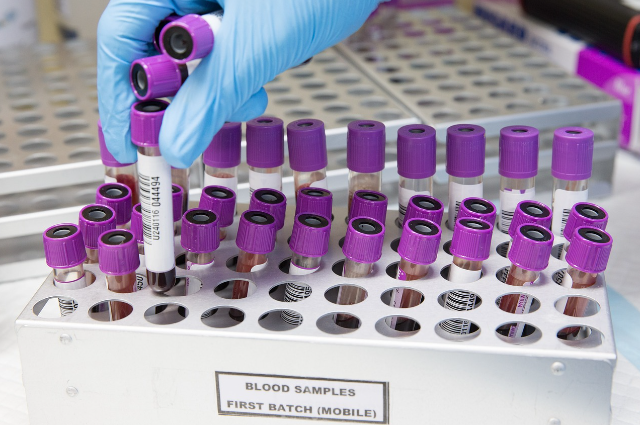
A country that is deeply rooted in a newer generation taking over and forming a new foundation for life. A country like India, where the trends see the most implementation, and the opinions of almost everyone are as varied as you could think. A silent revolution is sweeping through urban India today. Young adults in their 20s and 30s are booking diagnostic tests the way previous generations booked salon appointments. Vitamin B12, vitamin D, ferritin, thyroid profiles, HbA1c, and inflammation markers have become the new buzzwords in conversations linked to wellness. What once belonged strictly to medical spaces has now entered Instagram feeds, nutrition plans, and even weekend routines.
This shift heralds a new beginning of sorts—Indians using diagnostics not for sickness detection alone, but for lifestyle optimization. Instead of blindly treating the symptoms—fatigue, hair fall, anxiety, and low mood—people are looking at the blood work to find the reason. And with diagnostic chains providing home sample collection and affordable prices for test bundles, lab work has never been more approachable. For starters, this trend marks a decisive shift from illness-centric care to data-driven wellness. This transformation is well reflected in the data. For the last 18-24 months, major Indian diagnostic chains have seen a sharp rise (in fact, 20% to 40% year-on-year growth) in bookings of specific micronutrient and hormonal panels. It targets conditions ingrained in Indian life: deficiency of vitamin B12; ICMR's research on vitamin D, highly prevalent because of the large vegetarian and vegan population; ferritin or iron store deficiency, one of the major reasons for anemia, particularly in women; and thyroid dysfunction, one of the common hormonal disorders that affects metabolism. The rise in these bookings is not purely clinical; it is consumer-driven. The easy availability of home sample collection, digital reports, and competitive pricing by diagnostic aggregators removed the traditional hassle of visiting a clinic, making blood work an effortless routine of self-care. That's a very solid and timely analysis of a major shift in health behavior. To transform the content into a cohesive article format without subheadings, the sections need to flow seamlessly into one another using strong transitional phrases. This trend marks a decisive move from illness-centric care to data-driven wellness.
Diagnostic companies have quickly adapted themselves to this trending mindset. Over the past 18 months, several major diagnostic chains in India have reported a sharp increase—sometimes up to 45% growth—in test bookings related to nutritional deficiencies and hormonal health. Packages like “Fatigue Panel,” “Thyroid Screening,” “Women’s Wellness Panel,” and “Energy & Immunity Profile” are being sold heavily because they speak directly to what people are experiencing. These tests, once buried deep within hospital lab menus, are now sold like curated lifestyle upgrades.
This democratization of diagnostics is directly fueled by digital health discourse. Social media platforms, fitness apps, and wellness influencers act as the main drivers, creating a strong feedback loop: influencers discuss common, vague symptoms like "brain fog" or "mid-day crash," link them to specific deficiencies—e.g., "It's not tiredness, it's B12 deficiency"—and explicitly recommend specific tests. This trend resonates with the "biohacking" or "optimization" culture, in which individuals seek to measure and manage their biological inputs for peak performance, shifting focus from just treatment of sickness to optimal health scores. This leads to a situation in which, very often, symptom searching on the Internet—for fatigue or hair loss—repeatedly results in patients asking for a preconceived set of tests, sometimes bypassing the classic doctor's first assessment.
One such striking case comes from a well-known diagnostics chain based in Mumbai. From mid-2023 to late-2024, they recorded a 60% jump in vitamin D and B12 test bookings among people between 22 and 35 years of age. Even more interestingly, the majority of those appointments were self-booked through the app and not recommended by doctors. They noticed clear spikes after viral Instagram trends, like the #KnowYourLevels movement, wherein influencers shared their own blood reports to normalize testing. This reveals how deeply online culture is shaping offline health behavior in India.
The rise of diagnostic culture brings about a new progeny of professionals and clinical nutritionists. Unlike previous generations who treated nutrition as calorie-counting, today’s approach is deeply data-driven. Many nutritionists ask clients to submit their blood tests before crafting meal plans. Someone with low ferritin and fatigue may be advised to increase spinach, jaggery, and lentils. This integration of diagnostics with lifestyle wellness reflects a broader cultural trend—Indians no longer seek symptomatic relief; they seek solutions to root causes.
Another real example of this change is reflected in Bengaluru. A 27-year-old marketing professional sought a nutritionist because she was always tired and her hair was falling out, despite "eating healthy." A 27-year-old marketing professional sought a nutritionist because she was always tired and her hair was falling out, despite "eating healthy." Her blood tests showed extremely low ferritin and a deficiency in B12, levels she had never known were affecting her mental acuity and stamina. In a few months, her symptoms, after dietary changes and supplements, began to dramatically improve. And she's like several thousand more across Indian metros, where often deeper biological imbalances are masked behind lifestyle deficiencies that only a test can reveal. Ultimately, this diagnostic revolution is reshaping the way Indians perceive health: it's no longer just the absence of disease but energy, clarity, balance, and informed self-awareness. The lab work that was hitherto viewed with trepidation has now emerged as a tool for empowerment. But true wellness really lies in responsible usage of these tests—guided by professionals and not panic, curiosity, or obsession. While this may be a cause for celebration, given the rising health awareness in this country, it also brings up some very valid questions. Is this trend empowering, or is it heralding a new wave of anxiety-driven self-monitoring? Are people making any sense out of their reports, or is all this getting lost in the medical jargon of overthinking and wanting to fix everything? Reality lies somewhere in between. On the bright side, early detection prevents deficiencies and hormonal problems from causing long-term damage. Thousands of young Indians have come to know about their low B12, low iron, high TSH, or borderline insulin resistance because they tested early, not after symptoms worsened. This gives them a chance to course-correct their lifestyle before it spirals. The Diagnostic Revolution is positioning the lab report not just as a document for the doctor but as a personal data sheet for the individual. The focus is shifting to personalized supplementation, moving away from generic multivitamins to evidence-based correction—e.g., specific iron formulations or B12 shots—based on precise test values. Furthermore, individuals are using blood work to establish a baseline and monitor health trends over time, allowing for truly preventive screening before symptoms become debilitating. Ultimately, while the trend of self-diagnosis carries inherent risks—like misinterpretation and unnecessary testing—its net effect has been to empower a generation of Indians to take a proactive, quantitative approach to their health, making lab tests the new frontier in solving persistent lifestyle issues.
The lab report has become not a daunting medical document but an essential tool of personal empowerment and proactive management. It is a diagnostic revolution that is pushing an entire generation of Indians from symptom-based passivity to quantitative, data-driven self-care. For this trend to ultimately work, the onus must fall upon responsible use of knowledge—professionally guided, not panic-driven—to ensure the seismic shift leads towards real long-term well-being and not a fad trending on social media.
Reference: