
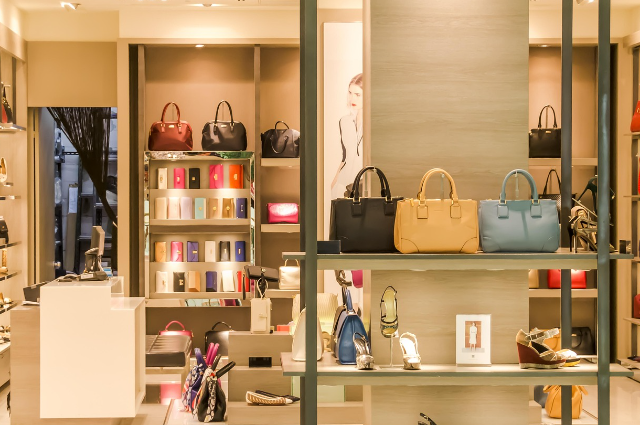
Luxury has long been equated with visibility: loud logos, signature monograms, and internationally identified status symbols that scream their wealth way before anything else. Till as recently as a decade ago, spotting a lacquered LV pattern or a gleaming logo was practically shorthand for being rich, and consumers in India lapped up these markers as aspirational badges. But a striking shift is underway. Among well-heeled Indians, especially the young, educated, and internationally exposed, there is growing fatigue with loud logos and an increasing embrace of what fashion thinkers call "quiet luxury" or "stealth wealth." This rise of the Un-Brand movement reflects a cultural transformation in how a brand is understood, displayed, and lived. Silent luxury is the cultivation of understated elegance as defined by both academic and industry literature, eschewing gaudy brand displays for material quality, heritage, and exclusivity, discernible only to those deemed sufficiently sophisticated to recognize it.
This is propelled by reasons such as sustainability, changing social perceptions, and more sophisticated tastes among wealthy consumers, slowly gaining traction in most parts of the world, including the luxury market within India. Research shows that as access to luxury goods becomes more democratised, traditional logos and conspicuous branding lose their exclusiveness, so discerning buyers seek more subtle markers of status. Furthermore, the luxury sector in India is expected to triple by 2030 to about $200 billion, driven by emerging affluent populations' needs.
But within this growth lies a cultural tension: many affluent Indians are redefining what luxury means beyond price tags to include value systems that align with thoughtful consumption, authenticity, and heritage. These consumers find meaning in credentials such as fine tailoring, ancestral crafts, and ethically sourced materials. Quiet luxury trends have been trending online too, with social media searches and discussions around terms such as “old money style” having surged exponentially in recent years.
It finds its echo in product design, with luxury houses featuring an increasing number of more muted colour palettes and subtly designed, often logo-free pieces within their collections; the implication is that supply is aligning with demand behind subtlety rather than show. Part of the appeal of the Un-Brand movement in India comes from a broader cultural rethink. Traditional Indian culture has its own rich heritage of understated elegance: saris woven with treasured handloom techniques, jewellery passed down through generations, and garments dyed or embroidered using centuries-old methods. As Indian designers and customers continue to reconnect with indigenous crafts, they are finding that such heritage lends luxury its meaning. Brands such as Dior, Chanel, and Gucci have participated in this initiative by incorporating Indian textile and embroidery designs into their foreign collections, often engaging directly with specialised ateliers, which has led to an upsurge in public discussions regarding ethical acknowledgement and remuneration for craftsmen following controversies about the adoption of Indian craftsmanship by popular brands without acknowledgement or participation.
Amid this, several Indian brands have emerged with the Un-Brand ethos, like Boito, a slow-fashion luxury brand started by engineer-turned-entrepreneur Richa Maheshwari in Bangalore, which is one such example. This year, Boito is a brand specialising in upcycling traditional hand-woven fabrics from Odisha, like Bomkai or Khandua, into luxury pieces. Boito is the only brand sharing the story of the fabric, the culture, its weavers, and its inherent heirloom quality, and the items are frequently made to order, priced for longevity rather than seasonal consumption, and limited in quantity. This strategy appeals to certain consumers who view luxury as an art form to engage in. Boito's success underlines exactly why the Un-Brand movement has momentum. Their customers might be referring to their products as "investment pieces" that are to be worn for years to come, and not to be worn once to be posted on social media as a symbol of status.
Another example of the customised luxury culture in India is the Jaipur Watch Company, which is involved in making handmade watches inspired by Indian history and its highly skilled craftsmen, who have used coins and miniature paintings in their creations. The clients seeking personalised and meaningful luxury also choose such brands precisely because their value resides in uniqueness and craftsmanship, not visible logos. Quite complementarily, the Un-Brand movement and quiet luxury also toe the line with ethical and sustainability-related precepts. As consumers grow increasingly conscious of environmental influence and fairly treated labour, the appeal of luxury goods manufactured based on ethical sourcing, use of sustainable materials, and supply chains that are run transparently becomes greater. The Indian craftsmanship, which includes natural dyes, handloom, and zero-waste productions, fits right into this mould.
Indeed, the brands that lead with such practices find favour among high-end buyers who care about heritage preservation and environmental stewardship as much as they do elegance.
This is not a movement that wholly rejects all branded luxury. Instead, it's a rebalancing of values: well-heeled Indians are more conscious of why they consume luxury and what it stands for. A quiet, bespoke jacket stitched by a master tailor can be far more luxurious than an ordinary garment mass-produced with a logo somewhere abroad. A watch inlaid with history can mean more than one pressed with a global stamp.
The Un-Brand movement also raises wider questions about how status is signalled in modern India. In some circles of global fashion, quiet luxury is understood to signal to those in the know, acting in a way as a subtle code of quality that the insiders appreciate, even as it passes unnoticed by a wider public. India is experiencing a cultural shift that embraces pride in its rich heritage and a growing awareness of ethical practices. As the luxury market in India evolves, this shift towards craftsmanship-focused consumption suggests a growth that values meaning, sustainability, and tradition. This is the new phase of luxury whose strength lies within quality that speaks directly to our values. Hand-woven textiles or customised products represent the Un-Brand movement in highlighting the truth that elegance is displayed through quality.
. . .
References:
- India’s Moment: The Time to Build a Global Luxury Brand is Now. (n.d.). https://www.avendus.com
- Bakshi, S. (2023, August 21). Quiet luxury: a new trend? Fibre2Fashion. https://www.fibre2fashion.com
- https://medium.com