
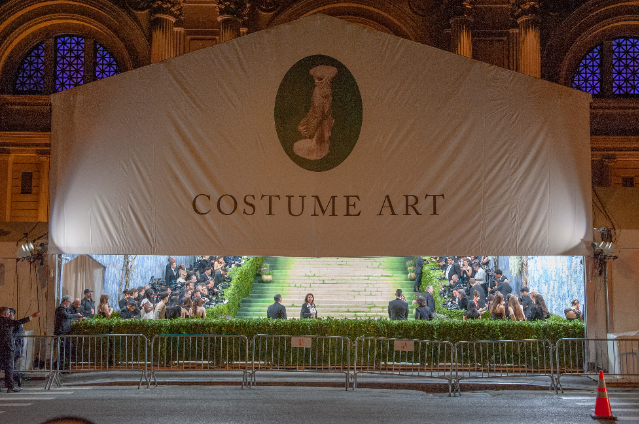
On the first Monday of May, the internet changes its rhythm. Timelines slow down, notifications explode, and millions of eyes turn toward a single staircase of red carpet outside the Metropolitan Museum of Art in New York City. Cameras flash like lightning. Reporters shout names over the noise of the crowd. Celebrities step out of black luxury vehicles wearing outfits that resemble sculptures, paintings, fantasies, and sometimes even political statements. For a few hours, the world seems to pause and watch the same spectacle: the arrival of the Met Gala. At first glance, the Met Gala appears to be merely a glamorous fashion event where actors, musicians, athletes, and influencers compete for attention through extravagant clothing. Social media platforms become flooded with photographs, memes, debates, and admiration. Every outfit is examined in microscopic detail — from fabrics and jewellery to hidden symbolism and artistic inspiration. Yet the global obsession surrounding the event cannot be explained by fashion alone. The Met Gala has evolved into something far larger than a red carpet. It is now a psychological and cultural phenomenon shaped by celebrity worship, digital media, luxury branding, and the human desire for fantasy and belonging.
The fascination with the Met Gala reveals important truths about modern society. People do not simply watch the event to see expensive dresses or famous faces; they watch because the gala offers an escape from ordinary life into a world of beauty, power, exclusivity, and imagination. In
the age of Instagram, TikTok, and viral culture, the red carpet has become a stage where identity, influence, and public emotion are carefully performed and consumed. Audiences form emotional attachments to celebrities, compare themselves to impossible beauty standards, and participate in online discussions that transform fashion into global entertainment. The Met Gala fascinates the world because it combines celebrity culture, fantasy, social aspiration, identity, media manipulation, and emotional escapism into one powerful spectacle. Beneath the glittering fabrics and flashing cameras lies a deeper psychological story about why modern society remains endlessly captivated by fame, luxury, and the performance of perfection.
The Birth of a Cultural Empire
Origins of the Met Gala
Long before the Met Gala became the internet’s most glamorous spectacle, it began as a modest fundraising dinner connected to the fashion department of the Metropolitan Museum of Art. The event was established in 1948 by fashion publicist Eleanor Lambert, whose vision was to create financial support for the museum’s newly formed Costume Institute. In its earliest years, the gala was far from the extravagant global phenomenon recognised today. It functioned primarily as a high-society charity event attended by wealthy New Yorkers, fashion insiders, and cultural elites.
The Costume Institute itself played a crucial role in shaping the identity of the gala. Unlike ordinary museum departments, the institute focused entirely on fashion as an artistic and historical medium. Clothing was no longer treated merely as fabric or commerce; it became a form of cultural expression capable of reflecting politics, identity, gender, class, and historical change. Over time, the Met Gala evolved into the grand opening celebration for the institute’s annual fashion exhibition. Each year’s theme inspired guests to transform themselves into living artworks, blending performance, symbolism, and luxury into a single public display.
As fashion increasingly became connected with celebrity culture and media attention, the Met Gala slowly transformed from a private fundraising dinner into a global cultural event. What began as a museum benefit eventually became one of the most powerful symbols of modern luxury and influence.
Rise Through Media and Celebrity Culture
The transformation of the Met Gala into a worldwide obsession cannot be understood without examining the rise of modern media. Fashion magazines such as Vogue played a major role in turning the event into a glamorous spectacle. Glossy editorials, exclusive photographs, and celebrity interviews elevated the gala from a local social gathering into an international symbol of prestige and beauty. Television further expanded its visibility by broadcasting red carpet coverage, allowing audiences to witness celebrity fashion in real time.
However, the true explosion of the Met Gala’s cultural power arrived with the growth of social media platforms such as Instagram, Twitter, TikTok, and YouTube. These platforms democratized access to celebrity culture. Ordinary people no longer needed invitations to experience the event; they could instantly participate through livestreams, reaction videos, memes, and online debates. Every outfit became content. Every celebrity entrance became a viral moment.
Social media also accelerated the psychological intensity of the event. Users competed to share opinions, rank outfits, create jokes, and join trending conversations. Algorithms rewarded dramatic fashion choices with greater visibility, encouraging celebrities to wear increasingly
theatrical and controversial designs. The Met Gala became perfectly engineered for the digital age — visually explosive, emotionally engaging, and endlessly shareable.
In this environment, the red carpet evolved into more than entertainment. It became a global marketplace of attention where fashion, fame, and internet culture merged into one unstoppable machine.
The Leadership of Anna Wintour
No individual has shaped the modern identity of the Met Gala more powerfully than Anna Wintour. As the editor-in-chief of Vogue, Wintour transformed the event into an elite cultural institution defined by exclusivity, luxury, and strategic branding. Under her leadership, the gala evolved from a traditional charity dinner into what many now describe as “the Oscars of fashion.”
Wintour understood that exclusivity creates desire. Invitations to the Met Gala became symbols of social status and cultural relevance. Celebrities, designers, athletes, influencers, and business leaders compete for access to an event that represents acceptance into the highest circles of global influence. Attendance is carefully controlled, reinforcing the idea that the gala exists beyond ordinary public reach.
At the same time, Wintour strategically blended fashion with entertainment, politics, sports, and social media culture. Hollywood actors appeared beside musicians, internet influencers, and billionaires, creating a carefully curated ecosystem of fame and influence. The result was not simply a fashion event but a luxury brand with enormous cultural power.
Through strict control, artistic ambition, and media strategy, Anna Wintour transformed the Met Gala into a modern empire of attention. The event now operates as both a cultural ritual and a corporate machine, proving that in contemporary society, exclusivity itself has become one of the most valuable forms of currency.
Celebrity Worship and the Psychology of Fame
Why Humans Are Drawn to Celebrities
Human beings have always been attracted to fame, beauty, and power. In ancient times, people admired kings, warriors, poets, and religious leaders. Today, celebrities have taken a similar position in society. Actors, musicians, athletes, and influencers are treated like modern mythological figures whose lives appear larger, richer, and more exciting than ordinary life.
One major reason people are drawn to celebrities is psychological admiration. Famous people often represent success, confidence, luxury, and perfection. Audiences look at them and imagine the life they wish to have. Expensive clothing, global fame, luxury homes, and millions of followers create an image of power that fascinates the public imagination. During the Met Gala, this attraction becomes even stronger because celebrities appear almost unreal in dramatic outfits designed to capture attention.
Beauty also plays an important role. Society often connects physical attractiveness with success and happiness. The media constantly presents celebrities as symbols of perfect beauty and lifestyle. As a result, people become emotionally interested in their lives, relationships, fashion choices, and public appearances.
Celebrities also function as cultural symbols. Some represent rebellion, others represent elegance, confidence, intelligence, or freedom. Fans often see their favourite celebrities not just as entertainers, but as inspirations who reflect their dreams and emotions. In this way, celebrities become modern-day icons around whom society builds stories, admiration, and fantasy.
Parasocial Relationships
One of the most important psychological reasons behind the popularity of celebrity culture is the idea of parasocial relationships. A parasocial relationship is a one-sided emotional connection where audiences feel personally attached to celebrities even though the celebrity does not know them.
For example, fans may follow a celebrity’s interviews, movies, music, Instagram posts, and personal stories for many years. Over time, they begin to feel emotionally connected to that person. They celebrate their success, defend them during controversies, and sometimes even feel sadness when celebrities face problems. Although the relationship is not real in a personal sense, the emotions experienced by fans are often genuine and powerful.
Social media has made these emotional connections much stronger. Platforms like Instagram, TikTok, Twitter, and YouTube allow celebrities to share everyday moments such as meals, vacations, gym sessions, and behind-the-scenes videos. This creates the feeling that fans are part of the celebrity’s daily life.
During the Met Gala, these parasocial relationships become highly visible online. Millions of people wait to see what their favourite celebrities will wear. Fans praise outfits, create reaction
videos, argue with others online, and emotionally invest themselves in the event. The red carpet becomes more than fashion entertainment; it becomes a personal emotional experience for audiences across the world.
The Illusion of Accessibility
Social media has created the illusion that celebrities are easily accessible. In the past, famous people appeared distant and mysterious because audiences only saw them in films, magazines, or television interviews. Today, platforms like Instagram and TikTok allow celebrities to share selfies, personal thoughts, livestreams, and casual moments directly with their followers. This makes fans feel emotionally “close” to them.
However, this closeness is often carefully controlled and managed. Celebrities share selected parts of their lives while maintaining privacy and luxury behind the scenes. What audiences see online is usually a carefully designed public image rather than the complete reality. Yet many fans still feel a strong personal connection because social media creates a sense of direct interaction.
The Met Gala strengthens this illusion of accessibility. Through livestreams, interviews, and red carpet videos, viewers feel as if they are participating in the event itself. People sitting at home can watch celebrities arrive, listen to interviews, analyse outfits, and instantly share opinions online. This creates a fantasy bridge between ordinary life and elite celebrity culture.
For many viewers, the Met Gala offers a temporary escape from everyday stress and routine. It allows audiences to enter a glamorous world filled with beauty, luxury, confidence, and attention. Even though most people will never attend such an event, social media makes them feel emotionally included in the experience. This psychological mixture of distance and closeness is one of the main reasons why celebrity culture continues to dominate modern society.
Fashion as Identity and Emotional Expression
Clothing as Communication
Clothing is more than fabric stitched together for protection or style. Fashion is a powerful form of communication through which people express their personality, beliefs, emotions, and identity. The clothes people wear often send messages about culture, religion, social class,
gender, political opinions, and even personal struggles. In modern society, fashion has become a visual language understood across the world.
At the Met Gala, this idea becomes extremely visible. Celebrities do not simply wear expensive outfits to look attractive; many use fashion to communicate deeper meanings. Some outfits represent political ideas such as feminism, racial equality, or environmental awareness. Others challenge traditional ideas about masculinity and femininity by breaking gender norms in clothing and appearance.
Fashion can also express rebellion. Throughout history, clothing has often been used to resist social expectations. At the Met Gala, some celebrities wear unusual or controversial designs to challenge beauty standards and attract public discussion. Large, dramatic gowns, unconventional makeup, metallic outfits, and futuristic designs are often used to show individuality and artistic freedom.
Culture and emotion are also strongly connected with fashion. Traditional embroidery, religious symbols, historical references, and family heritage frequently appear in red carpet designs. Some celebrities choose outfits connected to their roots and identity, while others use fashion to express sadness, strength, confidence, or creativity. In this way, clothing becomes a form of emotional storytelling rather than simple decoration.
The Met Gala as Performance Art
The Met Gala is not an ordinary fashion event because the outfits are designed to function like performance art. Every year, the gala follows a specific theme connected to the exhibition of the Costume Institute. Celebrities and designers interpret the theme through dramatic clothing that often resembles sculptures, paintings, theatrical costumes, or fantasy characters.
Many outfits are intentionally created to shock audiences and dominate public conversation. Designers understand that social media rewards bold visuals and viral moments. As a result, celebrities frequently wear oversized gowns, unusual headpieces, metallic armour-like dresses, glowing fabrics, or artistic makeup designed to immediately capture attention online.
However, the purpose of these outfits is not always to shock alone. Some designs aim to inspire audiences through creativity and artistic imagination. Others carry symbolic meanings connected to history, politics, identity, or personal experiences. For example, certain celebrities have worn outfits inspired by historical queens, religious imagery, or cultural traditions to communicate strength and heritage.
At the Met Gala, fashion transforms into storytelling. Every outfit tells a story about the celebrity, the designer, or the message behind the design. The red carpet becomes a stage where clothing, body language, photography, and media combine into a complete artistic performance.
In this environment, celebrities are no longer simply guests attending a party; they become living characters participating in a visual narrative watched by millions across the world.
Cultural Representation
One of the most important developments in modern fashion is the increasing presence of cultural representation on global platforms like the Met Gala. In recent years, designers and celebrities from different regions of the world have used the red carpet to celebrate their cultural heritage and challenge the dominance of Western beauty standards.
Indian fashion has become especially influential on the global stage. Celebrities such as Priyanka Chopra and Diljit Dosanjh have brought Indian-inspired designs, embroidery, jewellery, and traditional aesthetics into international fashion conversations. Sarees, sherwanis, hand embroidery, and royal Indian fabrics have increasingly appeared as symbols of elegance and cultural pride.
African fashion has also gained major attention for its vibrant colours, tribal influences, natural textures, and historical symbolism. Designers often use traditional African patterns and craftsmanship to express identity and resistance against cultural erasure. Similarly, Arab and Asian influences have become more visible through modest fashion, calligraphy-inspired designs, silk garments, and historical references connected to Islamic, Chinese, Japanese, and Korean traditions.
The red carpet has therefore become more than a place for fashion display; it has become a platform for identity politics and cultural representation. Celebrities now understand that what they wear can communicate messages about race, nationality, religion, gender, and belonging. For many audiences, seeing their culture represented on a global stage creates feelings of pride and recognition.
At the same time, debates about cultural appropriation also continue to grow. Critics often question whether certain celebrities respectfully represent cultures or simply use them as temporary fashion trends. These discussions reveal how deeply connected fashion has become with identity, power, and politics in the modern world.
Through these global influences, the Met Gala reflects an important reality of contemporary society: fashion is no longer only about beauty. It is also about visibility, representation, and the struggle to define identity in a globalised world.
Social Media and the Viral Economy of Attention
The Internet’s Obsession with Viral Moments
In the modern digital age, social media has completely changed how people experience events like the Met Gala. The event is no longer limited to celebrities and guests inside the museum. Through Instagram, TikTok, Twitter, YouTube, and Facebook, millions of people across the world watch the red carpet in real time and immediately react online.
One major reason for the popularity of the Met Gala is the internet’s love for viral moments. As celebrities arrive in unusual and dramatic outfits, social media users quickly create memes, jokes, reaction videos, and discussions. Some outfits become famous within minutes because people find them beautiful, shocking, funny, or strange. A single dress or hairstyle can dominate online conversations for days.
Fashion has therefore turned into digital entertainment. People do not only watch the event for style inspiration; they also watch for fun, excitement, and online participation. Users compare outfits, rate celebrities, and share opinions with friends and followers. In this way, the Met Gala becomes both a fashion event and a giant internet spectacle.
Algorithms and Attention Economics
Social media platforms are designed to promote content that receives strong reactions from users. This system is controlled by algorithms, which decide what people see on their timelines. Outfits that are dramatic, controversial, or visually unusual often receive more likes, comments, and shares. As a result, these designs spread more quickly across the internet.
Because of this attention economy, celebrities and designers sometimes create outfits specifically to go viral online. The goal is not only to look fashionable but also to dominate headlines and social media trends. The more people react to an outfit, the more visibility it receives.
Social media companies also benefit from this engagement. Viral moments keep users active on platforms for longer periods of time. More attention means more advertising revenue and more online traffic. In many ways, the Met Gala functions like a perfect social media event because it combines celebrity culture, fashion, drama, and visual excitement into one global online experience.
This system explains why simple outfits are often forgotten while shocking or highly creative designs become internet sensations. In today’s digital culture, attention itself has become a valuable form of power.
Fear of Missing Out (FOMO)
Another important psychological reason behind the popularity of the Met Gala is FOMO, or the “Fear of Missing Out.” Social media creates pressure for people to stay updated with trending events and online conversations. When millions of users discuss celebrity outfits and viral moments, many people feel the need to participate so they do not feel excluded.
This fear is especially strong among young audiences who spend large amounts of time online. Seeing friends, influencers, and media pages constantly posting about the Met Gala creates the feeling that everyone is watching the event together. People rush to view pictures, follow livestreams, and join discussions because they want to remain connected with popular culture.
The Met Gala has therefore become a shared global online experience. Even people who know little about fashion often become involved because the event dominates social media for several days. Users from different countries react to the same celebrity outfits, create memes, and discuss the same moments online.
For many viewers, participating in these conversations creates a feeling of belonging. Social media allows ordinary people to feel connected to celebrities, trends, and global entertainment culture. This emotional connection keeps audiences returning every year, turning the Met Gala into one of the most powerful digital spectacles of the modern age.
Luxury, Aspiration, and the Dream Machine
Why People Admire Luxury
Luxury has always attracted human attention. Expensive clothes, jewellery, cars, and large houses are often connected with success, power, and a high social position. In modern society, many people admire luxury because it represents a life free from financial struggle and ordinary limitations.
At the Met Gala, luxury is displayed at the highest level. Celebrities arrive wearing outfits that can cost thousands or even millions of dollars. These clothes are often handmade by famous designers using rare fabrics, expensive stones, and detailed embroidery. The exclusivity of these outfits makes them appear even more valuable and desirable.
Psychologically, people are naturally attracted to wealth and exclusivity because such things are often connected with status and influence. Human beings tend to admire what is rare and difficult to access. Since most ordinary people can never attend the Met Gala or wear such expensive fashion, the event feels mysterious and extraordinary. This exclusivity increases public fascination and emotional interest.
Luxury also creates aspiration. Many viewers imagine themselves living the glamorous lifestyle shown on the red carpet. Even if they know this lifestyle is unrealistic, they still enjoy dreaming about it. In this way, the Met Gala becomes a symbol of fantasy, ambition, and social success.
The Met Gala as Escapism
One important reason why millions of people watch the Met Gala is escapism. Daily life often includes stress, financial pressure, academic responsibilities, work problems, and emotional struggles. The Met Gala offers viewers a temporary escape from these realities through glamour, beauty, and fantasy.
For a few hours, audiences enter a world filled with luxury fashion, flashing cameras, celebrity confidence, and artistic imagination. Social media platforms become full of dramatic outfits, beautiful photography, and exciting discussions. Watching the event allows people to forget ordinary worries and emotionally enter a more glamorous and exciting environment.
The themes of the Met Gala also increase this feeling of fantasy. Celebrities appear dressed like royalty, futuristic characters, historical figures, or artistic sculptures. The red carpet begins to resemble a movie scene or a fantasy world rather than a normal social event. This visual spectacle creates excitement and emotional entertainment for global audiences.
In many ways, the Met Gala functions like modern digital theatre. People watch not because the event directly affects their lives, but because it provides emotional enjoyment and a temporary escape from reality. The glamour and creativity of the event make viewers feel connected to a world that appears more magical and extraordinary than everyday life.
Fashion and Social Status
Fashion has always been connected with social status and class hierarchy. Throughout history, wealthy people used clothing, jewellery, and luxury items to show their power and importance in society. Expensive fashion often acts as a public symbol of influence, prestige, and elite identity.
At the Met Gala, this connection between fashion and status becomes extremely visible. Designers compete to dress the world’s most celebrities because the red carpet provides global attention and prestige. Celebrities wearing luxury brands communicate wealth, influence, and cultural importance through their appearance.
The price and exclusivity of outfits also create clear social differences. Many dresses and suits shown at the Met Gala are custom-made and impossible for ordinary people to afford. This reinforces the idea that luxury fashion belongs mainly to powerful and wealthy social groups.
Fashion, therefore becomes part of a larger class system. People are often judged based on clothing, brands, appearance, and lifestyle. Expensive fashion can provide social recognition and admiration, while simpler clothing is sometimes unfairly connected with lower social value.
The Met Gala reflects this reality very clearly. Although the event celebrates creativity and art, it also highlights economic inequality and elite culture. The red carpet becomes a space where wealth, influence, celebrity power, and social hierarchy are publicly displayed before millions of viewers around the world.
In this sense, the Met Gala is not only about fashion. It is also about how modern society connects luxury with status, identity, and human value.
Criticism and Contradictions
Excess in a World of Inequality
Although the Met Gala is celebrated for creativity and glamour, many people criticise the extreme luxury displayed at the event. Some outfits cost thousands or even millions of dollars while many people around the world struggle with poverty, unemployment, and economic hardship. Critics argue that the event highlights the growing gap between the rich and ordinary people in modern society.
Unrealistic Beauty Standards
The Met Gala also creates pressure through celebrity appearance culture. Perfect makeup, expensive fashion, edited photographs, and ideal body shapes can make audiences compare themselves with unrealistic beauty standards. Many young people feel insecure about their looks after constantly seeing images of “perfect” celebrities online. Social media often increases this pressure by promoting beauty and luxury as symbols of success and happiness.
Authenticity vs Performance
Another major debate is whether celebrities truly express themselves at the Met Gala or simply promote brands and public images. Many outfits are carefully planned by fashion companies, stylists, and marketing teams to attract attention and create viral moments. As a result, some critics believe the red carpet is less about personal expression and more about advertising, branding, and media performance.
Why the Met Gala Continues to Dominate Global Culture
The Fusion of Art, Business, and Psychology
One major reason why the Met Gala remains globally popular is its unique combination of art, business, entertainment, and psychology. The event is not only about fashion; it is also a powerful business platform where luxury brands, designers, celebrities, and media companies work together to gain global attention.
Fashion designers use the red carpet to promote their creativity and increase the value of their brands. Celebrities use the event to strengthen their public image and remain relevant in popular culture. Social media platforms benefit from viral content and online engagement, while audiences receive entertainment and emotional excitement.
The Met Gala also connects deeply with human psychology. People are naturally attracted to beauty, fame, status, and fantasy. The event satisfies these desires by creating a glamorous world filled with luxury and creativity. In this way, the Met Gala becomes more than a fashion
event — it becomes a global cultural product shaped by both emotional attraction and commercial strategy.
The Evolution of Modern Spectacle
The Met Gala represents the evolution of modern spectacle in the digital age. In earlier centuries, societies gathered around royal ceremonies, theatre performances, or public festivals. Today, social media has transformed global events into online spectacles watched by millions in real time.
Every year, the Met Gala functions almost like a digital ritual. Audiences wait for celebrity arrivals, react to outfits online, create memes, and participate in discussions across different platforms. The event creates a shared global experience where people from different countries watch and discuss the same moments together.
Technology has made the red carpet more powerful than ever before. High-definition livestreams, instant photography, viral videos, and social media algorithms allow the event to spread across the world within seconds. The Met Gala is therefore not just a party for celebrities; it is a carefully produced media spectacle designed for the internet generation.
The Future of Celebrity Culture
The future of celebrity culture is likely to become even more digital and technology-driven. Artificial Intelligence (AI), virtual influencers, digital fashion, and online avatars are already changing the entertainment and fashion industries. Some brands are now creating virtual clothing that exists only online, while AI-generated influencers attract millions of followers on social media.
In the future, events like the Met Gala may include digital fashion shows, virtual reality experiences, and AI-designed outfits. Influencers from TikTok, YouTube, and other online platforms may become as important as film stars and musicians. The definition of celebrity itself is slowly changing from traditional Hollywood fame to internet-based influence.
At the same time, audiences are becoming more interested in diversity, representation, and authenticity. Future red carpets may focus more on cultural identity, sustainability, and digital creativity rather than only luxury and exclusivity.
Even as technology changes society, the basic human attraction to fame, beauty, storytelling, and spectacle will likely remain the same. For this reason, the Met Gala continues to dominate
global culture — not simply because of fashion, but because it reflects the dreams, desires, and evolving identity of the modern world.
The Red Carpet as a Mirror of Society
The global fascination with the Met Gala shows that the event is much more than a fashion celebration. Every year, millions of people watch celebrities walk the red carpet, discuss outfits online, create memes, and emotionally engage with the spectacle. This obsession continues because the Met Gala connects deeply with human emotions, desires, and imagination.
The event reflects many important aspects of modern society. It represents humanity’s attraction to beauty, fame, luxury, and social status. At the same time, it offers fantasy and a temporary escape from the stress of ordinary life. Through social media, audiences feel emotionally connected to celebrities and become part of a shared global experience. Fashion at the Met Gala also expresses identity, culture, politics, and creativity, turning clothing into a powerful form of communication.
However, the event also reveals contradictions within modern culture. While some people admire the creativity and artistic expression of the gala, others criticise its extreme luxury, unrealistic beauty standards, and commercial nature. These debates show how strongly celebrity culture influences public emotions and social values today.
In the end, the Met Gala continues to dominate global culture because it combines entertainment, psychology, media, and fashion into one powerful spectacle. The red carpet acts like a mirror that reflects society’s dreams, insecurities, ambitions, and emotional desires.
The Met Gala is not simply about fashion — it is about the psychology of modern human obsession itself.