
Introduction.
In today's digital age, millions of people feel emotionally linked to the creators whom they have never met. This unilateral connection, called a para-social relationship, is not new—fans have always praised celebrities. But with live-streaming, vlogs, and social platforms, intimacy feels very close. A manufacturer who shares a daily routine or personal conflict creates the illusion of friendship.
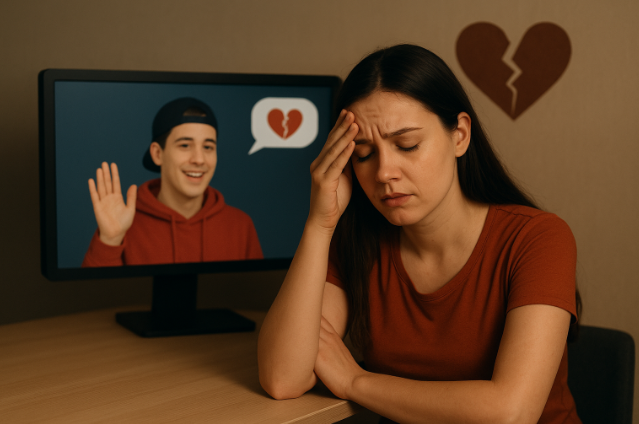
Still, in real friendship, there is a breakup. When a manufacturer changes direction, it stops being wrapped, or even a controversial step, fans often experience what scientists call a parasympathetic breakdown. Unlike a traditional breakup, this isolation is quiet, unintentional, and is rarely discussed. Nevertheless, it carries emotional and economic consequences, especially for social media and influential industries that enjoy loyalty.
Technical solution.
Technical platforms begin to identify these emotional ties - and their control of them. Some solutions stand out:
- Adjustment of algorithm personalisation.
Recommended engines, such as YouTube or TIKTOK, often push the fans of the creators; he is heavily engaged. When an audience wants to "move on", the algorithm can implement them in a loop of the reminder. The platforms are experimenting with "resetting" or "non-interested" controls that help users redefine their media diet, which reduces the pain of the manufacturer's continuous exposure, which makes them separate. - Digital welfare equipment:
Instagram and TIKTOK now include features to manage screen time and limit information. These tool manufacturers are designed to address monitors, and also help to soften the miraculous brake by reducing bond controls for updates. - Moderation and comment filters.
Breaks often produce disappointed fans with negative comments from floods to enmity. With the AI-operated moderation system, such as YouTube's comment filter or Twitch's Auto Mod Protect, creators have experienced quick harassment during turbulent changes. - Community Management Platform
Companies such as Discord or Patron integrate an option for societies, where members can quietly free groups without public conflicts. For fans experiencing a parasympathetic break, it provides a soft landing, which allows resolution without drama. Together, these solutions suggest how technology not only shapes the formation of masters, but also their calm, uncontrolled.
Different strategies emerge
Some companies treat par as social dynamics for their business models. Others are carefully adopting, both potential and aware of risks. Encourage manufacturers' boundaries. YouTube has promoted devices that help creators. Manage fan expectations at a member level, social posts, and time-consuming comment moderation. These let the creators determine the controlled levels of intimacy, which reduces the volatility of the sudden milestone break.
- Live Intimacy at Scale: Twitch is certainly the most popular platform, where streamers build strong real-time bonds. It's "follows", and the channel rewarded loyalty, but when a stream takes a break or changes direction, it also accelerates grief. Twitch has been reacting to investing in moderation bots and mental health resources, although the approach remains reactive rather than preventative.
Monetising Loyalty Patron has converted them to membership and bent into a motion movement. Fans feel almost financed directly. But this model also increases the pain of a breakup - stopping a promise seems like a personal rejection. Patreon has added an exit examination and neutral cancellation stream to soften the experience, designed for financial reasons rather than failed loyalty. - TIKTOK: Algorithm first, conditions second
TIKTOK algorithm makes the same manufacturer repeatedly and creates a fast-paced band. However, when a fan is separated, "feed for you" can continue to show that manufacturer. TIKTOK has expanded the options "not interested", but critics claim that it requires strong privatisation to honour fans' emotional needs. These different approaches show how companies balance the commitment matrix with user welfare. For now, the advantage still carries sympathy, but the industry goes against accepting the complexity of the breakup.
Effect on social media and the affected industry.
Personal intercourse may seem like a niche psychological problem, but it forms an impressive economy of real meanings.
- Fan Loyalty and Income Instability.
Manufacturers are often dependent on the main basis of "Superfans" for income through charity, membership, and goods. Par asocial breakup means sudden revenue falls when fans decompose N warts. For platforms, it exposes the stability of the impressive economy. - Manufacturer's mental health.
When fans leave angry, the creators may experience setbacks - public membership, hostile comments, or entire Reddit threads criticising them. It puts heavy stress on the creators, which causes a whole exit from the industry to burn out or exit. "If platforms want to keep using materials for a long time, they need to take care of how those materials are used and reused." - Industry Marketing Shifts
Brands that utilize impressive marketing focus on powerful volatility. The value of a manufacturer is not just about access, but about the stability of their fan conditions. A streamer in the midst of a Par asocial break-up storm can be seen as a risky investment for sponsors. This force aims to assess how they measure effective reliability.
Example: C-pop and Murthy Industry
Maybe no industries will imitate movement relationships; their breakup-C-pop is better. Fans create deep emotional relationships with statues through interactive platforms such as content, livestreams, and waves.
When idols change groups, prevent activities or public dates, the fans sometimes feel betrayal, causing large-scale overalls and even protests. In response, companies such as Hybe (Home of BTS) have created controlled digital ecosystems. Apps that wave centralize communication, control the moderation of sculptures, and provide membership-based access to exclusive posts. These devices soften the permanent turbulence by placing a breakup in managed platforms instead of spreading uncontrollably on the open network.
For a comprehensive, impressive industry, the C-pop model offers lessons: Both technical buffers and cultural framing are required to handle a passive bond.
Challenges ahead
Despite new equipment, the permanent breakups are largely invisible in public interactions. The platforms still prioritise growth measurements on emotional stability, and the creators have lacked structured support systems. Fans, in the meantime, often struggle in silence and are unsure how to treat losses as individual conditions. If they are left, this can put the brakes on confidence in the impressive ecosystem, making the audience more awake and less loyal over time.
Conclusion
Cool end with high results. Para-social conditions run engagement, but masters manifest hidden costs. For fans, there is an emotional pain in losing a ribbon that was not really present. For the creators, there is a risk of setbacks and loss of income. For platforms and brands, it is a challenge to maintain loyalty in an ecosystem based on delicate emotional conditions. Impressive industries cannot ignore this hidden world for long. Technical solutions, company strategies, and cultural sensitivity must be developed to handle both the increase and collapse of these unilateral compounds. Finally, even the digital economy can echo the digital economy.