
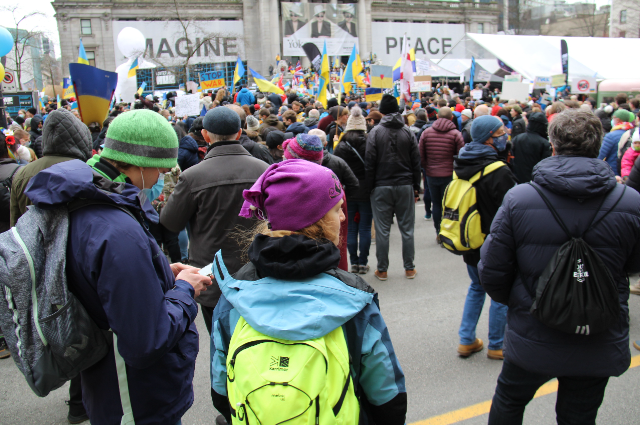
When thousands of young protesters gathered at Jantar Mantar demanding accountability for the NEET examination controversy, few expected that their movement would culminate in the resignation of Union Education Minister Dharmendra Pradhan. Led by the Cockroach Janta Party (CJP), the protests transformed a student grievance into a national political issue, demonstrating that organised public dissent could still influence those in power.
Yet this remarkable outcome raises a broader democratic question. India has witnessed countless protests over the past decade. Farmers camped for months at Delhi's borders before the farm laws were repealed. The anti-Citizenship (Amendment) Act (CAA) movement mobilised thousands across the country but was met with widespread arrests and legal action. Adivasi communities have long protested against land acquisition and displacement, while people in Kashmir have experienced prolonged restrictions, including internet shutdowns, in the aftermath of political decisions. Each movement sought to make its voice heard, yet the State's responses differed significantly.
The Constitution guarantees every citizen the freedoms of speech, peaceful assembly, and association under Article 19, recognising protest as an essential feature of democratic life. In principle, these rights belong equally to all citizens, regardless of caste, religion, region, class, or political affiliation. However, democratic equality is tested not when rights are written into the Constitution but when citizens exercise them in practice.
This article is therefore not about determining which protest was more justified or more successful. Instead, it asks a deeper constitutional question: what determines whether the Indian State hears a protest? Is it the scale of mobilisation, the nature of the demands, electoral significance, media attention, or do identity and political context also influence democratic responsiveness? By comparing different protest movements and the State's responses, this article reflects on whether India's constitutional promise of equality extends equally to every voice raised in dissent.
Protest as the Language of Democracy
Democracy is not sustained by elections alone. Between one election and the next, citizens continue to participate in public life by questioning policies, expressing grievances, and demanding accountability. Among the many forms of democratic participation, public protest occupies a unique position. It provides ordinary citizens with a peaceful means of communicating dissatisfaction when institutional mechanisms appear insufficient or unresponsive. In this sense, protest is not a rejection of democracy but one of its most visible expressions.
The Constitution of India recognises this democratic role by guaranteeing the freedoms of speech and expression, peaceful assembly, and association under Article 19(1)(a), 19(1)(b), and 19(1)(c). Together, these freedoms create the constitutional foundation for peaceful public protest. Although these rights are subject to reasonable restrictions in the interests of sovereignty, public order, and security, they remain essential to the functioning of a constitutional democracy. They acknowledge that disagreement with the government is not a threat to democracy but an inevitable and often constructive part of it.
Yet the constitutional right to protest carries a deeper democratic expectation. If every citizen enjoys the same constitutional freedoms, should every peaceful protest receive equal consideration from the State? Democracy does not require every demand to be accepted, but it does require that every citizen's voice be treated with equal constitutional respect. The true measure of democratic responsiveness, therefore, lies not in whether governments agree with protesters, but in whether they respond fairly, consistently, and without discrimination. It is this tension between constitutional equality and the lived experience of public protest that forms the central inquiry of this article.
Who Gets Heard? Comparing Protest Movements
Public protests in India emerge from diverse social, economic, and political concerns. Farmers seek fair agricultural policies, students demand transparency in examinations, communities mobilise for reservations, Adivasis resist displacement, and citizens challenge laws they consider unconstitutional. While these movements differ in their demands and methods, each represents an attempt to persuade the State to listen. Yet the governmental responses to these protests have varied considerably, raising important questions about democratic responsiveness.
The Farmers' Protest (2020–2021) remains one of independent India's largest mass movements. Triggered by the three farm laws, thousands of farmers, primarily from Punjab, Haryana, and western Uttar Pradesh, camped for over a year at the borders of Delhi. The movement witnessed negotiations between farmer representatives and the Union Government, extensive media coverage, and hearings before the Supreme Court. Although the protests involved clashes with the police and restrictions at protest sites, the sustained mobilisation eventually led to the repeal of the farm laws in November 2021. The movement demonstrated that organised, prolonged, and electorally significant public pressure could influence national policy.
The anti-Citizenship (Amendment) Act (CAA) protests (2019–2020) presented a markedly different experience. Beginning with peaceful demonstrations led by students, women, and civil society groups—including the iconic Shaheen Bagh sit-in—the movement questioned the constitutional implications of the CAA. While the protests attracted widespread public participation, many demonstrations were dispersed through police action, numerous activists were arrested under stringent laws, and several participants remain entangled in prolonged legal proceedings. Internet shutdowns were imposed in various regions, particularly in parts of Uttar Pradesh and the National Capital Region, illustrating a significantly different governmental approach to another large-scale protest movement.
The protests against the Waqf (Amendment) legislation provide another recent example of contested democratic engagement. Demonstrations were held across several states by Muslim religious bodies and civil society groups, expressing concerns over the proposed changes to the governance of Waqf properties. While the movement attracted significant participation and legal challenges, it did not produce immediate political concessions comparable to some other contemporary protests. Instead, much of the contest gradually shifted from the streets to judicial and constitutional forums. The episode illustrates how different protest movements often follow different institutional trajectories, raising questions about what determines whether public mobilisation results in negotiation, policy change, or prolonged legal contestation.
For many Adivasi communities, protest has centred on land rights, forest protection, displacement, and the implementation of constitutional safeguards. Across states such as Odisha and Madhya Pradesh, movements opposing mining projects, large infrastructure schemes, and delays in recognising rights under the Forest Rights Act and the Panchayats (Extension to Scheduled Areas) Act (PESA) have continued for years. More recent mobilisations have also challenged displacement linked to projects such as the Ken–Betwa River Link Project and demanded the restoration of tribal land protections and reservations. While some struggles have led to judicial intervention or administrative reconsideration, many have received limited national attention despite their long duration and constitutional significance. These contrasting experiences invite reflection on whether factors such as media visibility, electoral relevance, and the social location of protesters influence how urgently democratic demands are heard.
The experience of Kashmir after the constitutional changes of August 2019 represents another dimension of public dissent. Rather than conventional street demonstrations, the region witnessed extensive restrictions, including prolonged internet shutdowns, preventive detentions, and limitations on public assembly, justified by the government on grounds of national security and public order. Supporters regarded these measures as necessary to prevent violence, while critics argued that they significantly curtailed civil liberties and democratic participation. Regardless of one's position, the episode illustrates how the State's response to dissent may differ substantially depending on the political and security context.
The recent protests at Jantar Mantar following the NEET controversy, organised by the Cockroach Janta Party (CJP), introduced another important case. What began as a movement demanding accountability in education quickly evolved into a national political issue, culminating in the resignation of Union Education Minister Dharmendra Pradhan. The movement also drew the support of activist Sonam Wangchuk, who undertook a 26-day hunger strike in solidarity with students demanding educational reforms and ministerial accountability. During the protest, he was removed by the Delhi Police and shifted to a hospital following a court order citing his deteriorating health, a development that generated widespread public debate. His fast eventually ended after the government provided written assurances on key demands, including reforms to the examination system and protection for peaceful protesters. The movement demonstrated that organised public mobilisation can still influence political decision-making and secure tangible political outcomes.
Taken together, however, these movements reveal no simple pattern. The State has negotiated with some protesters, used force against others, ignored certain movements, and conceded to a few. While the NEET protests resulted in ministerial resignation and governmental assurances within a relatively short period, many other movements—whether concerning farmers' rights, Adivasi land protection, the anti-CAA protests, or demands from Kashmir—continued for months or even years without producing comparable political responses. The contrast cannot easily be explained by the scale of mobilisation or the legitimacy of the demands alone. Electoral significance, media attention, economic impact, constitutional questions, public sympathy, security concerns, and political context all appear to shape governmental responses in different ways.
Rather than proving that the Indian State deliberately favours one group over another, these comparisons invite a deeper democratic reflection. Why do some protest movements succeed in securing swift negotiations, policy concessions, or political accountability, while others struggle to obtain even sustained engagement from the State? Is the difference explained primarily by numbers, electoral importance, and public visibility, or do factors such as caste, religion, class, region, and political identity also influence democratic responsiveness? It is these questions—not the success or failure of any single protest—that lie at the heart of democratic accountability and lead to the next section, which examines the factors that may explain the State's unequal responses.
Between Protection and Suppression: Explaining Unequal Responses
The comparison of protest movements reveals that the Indian State does not respond to every form of dissent in the same way. Some demonstrations lead to negotiations, policy changes, or ministerial resignations, while others encounter police action, prolonged arrests, internet shutdowns, or administrative silence. These differences do not necessarily prove unequal treatment, but they raise an important democratic question: what factors shape the State's response to public protest?
One of the most visible differences lies in police response. In many protests, law enforcement facilitates public assembly by regulating traffic and maintaining order. In others, authorities impose restrictions under Section 144 of the Code of Criminal Procedure (or its successor provisions under the Bharatiya Nagarik Suraksha Sanhita), use barricades, employ tear gas or water cannons, or disperse gatherings through force. Governments often justify such measures on grounds of maintaining public order, preventing violence, or protecting property. Critics, however, argue that similar standards do not appear to be applied uniformly across different protest movements. The contrast prompts reflection on whether the threshold for restricting public assembly varies according to context.
Another significant difference concerns arrests and preventive detention. Indian law permits preventive detention and arrest under specified circumstances to prevent anticipated threats to public order or national security. Yet the use of these powers has generated considerable debate. During the anti-CAA protests, several activists, including Umar Khalid, were arrested under stringent legal provisions and continue to face prolonged legal proceedings. In contrast, participants in many other protest movements have faced comparatively limited criminal prosecution. The legal merits of individual cases remain for courts to determine, but the disparity in outcomes raises broader questions regarding consistency in the application of coercive legal powers.
Internet shutdowns have emerged as another distinctive feature of contemporary protest management. India has recorded one of the highest numbers of internet shutdowns globally over the past decade. Authorities argue that temporary restrictions help prevent the spread of misinformation, coordinate law enforcement, and reduce the risk of violence. At the same time, shutdowns affect education, healthcare, commerce, journalism, and ordinary communication, extending their consequences well beyond the protesters themselves. Their frequent use during certain movements—particularly in Jammu and Kashmir after 2019 and during several regional agitations—has led many scholars to question whether such measures satisfy the constitutional principles of necessity and proportionality emphasised by the Supreme Court.
Public understanding of protests is also shaped by media framing. The same demonstration may be described as a peaceful citizens' movement by some media outlets and as a threat to public order by others. The language used—whether protesters are portrayed as students, farmers, activists, agitators, extremists, or anti-national elements—significantly influences public perception. In the digital era, social media further amplifies competing narratives, making public opinion an important factor in how governments perceive the political costs or benefits of responding to a movement.
Equally important is the question of government negotiations. Democratic governments routinely engage with protest leaders through dialogue, committees, or policy discussions. The repeal of the three farm laws following sustained negotiations demonstrated that organised public mobilisation can influence governmental decisions. More recently, the protests at Jantar Mantar over the NEET controversy, organised by the Cockroach Janta Party (CJP), culminated in the resignation of Union Education Minister Dharmendra Pradhan, illustrating how public pressure may produce rapid political consequences. Yet many other movements—including several Adivasi land rights campaigns and long-running demands from peripheral regions—have struggled to secure comparable engagement. Such differences invite reflection on the factors that make some demands politically urgent while others remain unresolved for years.
One possible explanation is electoral significance. Political responsiveness often increases when a movement represents a large voting population, affects economically influential regions, or emerges close to elections. Governments in democratic systems naturally respond to electoral incentives, and this responsiveness is not unique to India. Nevertheless, the relationship between electoral considerations and constitutional rights raises an important question: should the willingness of the State to negotiate depend primarily on political costs rather than the constitutional legitimacy of citizens' grievances?
The issue becomes even more sensitive when considering identity. India's social landscape is shaped by caste, religion, region, language, class, and ethnicity. Many observers have questioned whether these identities influence the manner in which protests are perceived and managed. Some argue that movements associated with socially or politically influential groups receive greater visibility and faster governmental engagement, while protests involving religious minorities, Adivasi communities, or geographically peripheral regions often encounter greater suspicion or reduced political attention. Others contend that governmental responses are determined primarily by security concerns, the scale of mobilisation, or the nature of specific demands rather than the identity of protesters. The available evidence does not permit simple conclusions, but the recurring perception of unequal treatment itself deserves careful democratic examination.
Ultimately, these questions converge on the constitutional principle of equality before the law. Article 14 of the Constitution guarantees equal protection of the laws to every person. If the right to protest is a democratic right available to all citizens, then the standards governing police action, negotiations, restrictions, and legal consequences should be applied consistently, irrespective of who is protesting or what identity they represent. Perfect uniformity may be impossible because every movement arises in different circumstances. Yet democratic legitimacy depends upon the public belief that constitutional rights are protected through impartial institutions rather than influenced by social identity, political convenience, or public popularity.
The challenge, therefore, is not simply to determine whether unequal responses exist, but to ask what kind of democracy India aspires to be. A constitutional democracy is measured not only by its willingness to hear the loudest voices, but also by its capacity to listen fairly to those who stand at its margins. The continuing pursuit of equality before the law requires that this question remain open to public reflection rather than settled by political assumptions alone.
Democracies and the Right to Protest
Across democratic societies, protest is recognised not as a threat to democracy but as one of its essential features. International human rights law affirms this principle. Article 19 and Article 20 of the Universal Declaration of Human Rights, together with the International Covenant on Civil and Political Rights (ICCPR), recognise freedom of expression and peaceful assembly as fundamental democratic rights. Restrictions may be imposed only when they are lawful, necessary, and proportionate.
Yet democracies respond to protest differently. In the United Kingdom, environmental movements such as Extinction Rebellion have faced arrests and stricter public order laws, but judicial review and parliamentary scrutiny continue to shape the limits of state power. In France, the Yellow Vest protests witnessed extensive police force, yet the government simultaneously initiated public consultations and policy concessions. In the United States, the Black Lives Matter movement generated both widespread police action and significant political, judicial, and legislative responses, demonstrating that protest can influence public policy even amid intense confrontation.
These examples suggest that no democracy responds perfectly to dissent. However, mature democracies increasingly recognise that the legitimacy of state action depends not only on maintaining public order but also on ensuring accountability, transparency, and equal treatment before the law.
For India, the lesson is not to imitate foreign models but to strengthen its own constitutional commitments. Article 19 of the Constitution guarantees citizens the freedoms of speech, expression, and peaceful assembly. If these guarantees are to remain meaningful, state responses to protest must be guided by consistent constitutional principles rather than the identity of protesters, political convenience, or immediate electoral calculations.
Ultimately, a democracy is judged not by the absence of protests but by the fairness with which it responds to them. Equal citizenship demands that every peaceful protest—regardless of who organises it or the issues it raises—receives equal constitutional protection, equal legal standards, and equal democratic respect.
Strengthening Democratic Responsiveness
This article has argued that the challenge before India is not whether protests should be permitted, but whether every citizen enjoys an equal opportunity to be heard. Strengthening democratic responsiveness therefore requires reforms that make state institutions more accountable, transparent, and impartial.
First, policing of public demonstrations must remain guided by constitutional principles rather than political considerations. Peaceful protests should be facilitated through clear and transparent protocols, with the use of force remaining a measure of last resort. Decisions relating to arrests, preventive detention, or restrictions on assemblies should be proportionate, lawful, and subject to meaningful judicial scrutiny.
Second, institutional accountability must be strengthened. Courts, human rights commissions, and independent oversight bodies play a crucial role in ensuring that executive power remains consistent with constitutional guarantees. Their timely intervention helps preserve public confidence that the right to protest will be protected regardless of the identity of those exercising it.
Equally important is the role of the media. Public understanding of protests is often shaped not only by events on the ground but also by how those events are reported. Responsible journalism requires consistent standards that examine every movement with equal scrutiny, avoiding selective narratives that legitimise some voices while marginalising others.
Ultimately, democratic responsiveness cannot depend upon the caste, religion, region, political affiliation, or electoral significance of those protesting. A democracy remains credible only when similar constitutional principles are applied to similar situations. The question is not whether every protest deserves the same outcome, but whether every protest receives the same constitutional respect.
Strengthening democratic responsiveness therefore means reaffirming a simple constitutional ideal: the State must respond to citizens not according to who they are, but according to the rights they possess. Only then can protest continue to serve its highest democratic purpose—not as a privilege granted to a few, but as a constitutional voice available to all.
Conclusion
Every democracy promises its citizens the right to speak, dissent, and demand accountability. Yet the question this article has explored is not whether protests are permitted in India, but whether all protests are heard with equal seriousness. Recent movements—from the NEET controversy and demands for ministerial accountability to farmers' agitations, anti-CAA demonstrations, Adivasi struggles, and protests in Kashmir—suggest that the State's response is shaped by a complex interplay of law, politics, public pressure, electoral considerations, and social identity. These differences do not by themselves establish discrimination, but they raise important questions that deserve careful democratic reflection.
A mature democracy is not measured by the absence of protest. On the contrary, protest is often evidence that citizens continue to believe their voices matter. The real test lies in how the State responds to dissent: whether constitutional rights are protected consistently, whether force remains proportionate, whether dialogue is preferred over suppression, and whether similar principles are applied regardless of who is protesting.
This is ultimately not an argument against the State, nor an attempt to romanticise every protest movement. Democracies have a legitimate duty to maintain public order and protect national security. Equally, citizens have a constitutional right to question authority and seek accountability. The challenge is ensuring that one does not diminish the other.
Perhaps, then, the most important question is not who protests the loudest, but who is heard the quickest—and why. The answer to that question reveals far more than the character of any single protest. It reveals the character of democracy itself. A truly democratic State is measured not by how it responds to those with the greatest influence, but by whether every citizen, regardless of identity or political position, can believe that their voice carries equal constitutional worth.
References
- Cambridge Analytica. 2018. The Cambridge Analytica Files. Accessed July 27, 2026. https://www.theguardian.com
- Cohen, Julie E. 2019. Between Truth and Power: The Legal Constructions of Informational Capitalism. New York: Oxford University Press.
- European Parliament and Council of the European Union. 2016. Regulation (EU) 2016/679 (General Data Protection Regulation). Official Journal of the European Union.
- Government of India. 2018. A Free and Fair Digital Economy: Protecting Privacy, Empowering Indians. Report of the Committee of Experts under the Chairmanship of Justice B. N. Srikrishna. New Delhi: Ministry of Electronics and Information Technology.
- Government of India. 2023. The Digital Personal Data Protection Act, 2023. No. 22 of 2023. New Delhi: Ministry of Law and Justice.
- Government of India. Ministry of Electronics and Information Technology. 2015. Digital India Programme. https://www.digitalindia.gov.in.
- Humby, Clive. 2006. “Data Is the New Oil.” Association of National Advertisers.
- Justice K. S. Puttaswamy (Retd.) v. Union of India, (2017) 10 SCC 1 (Supreme Court of India).
- Reuters. 2021. “Facebook Data Leak Exposes Information of More Than 533 Million Users.” April 4, 2021.
- Reuters. 2022. “Cyberattack Disrupts Services at AIIMS New Delhi.” November 2022.
- United Nations. 1948. Universal Declaration of Human Rights. New York: United Nations.
- United Nations Human Rights Council. 2015. Report of the Special Rapporteur on the Rights to Freedom of Peaceful Assembly and of Association. Geneva: United Nations.
- Zuboff, Shoshana. 2019. The Age of Surveillance Capitalism: The Fight for a Human Future at the New Frontier of Power. New York: PublicAffairs.