
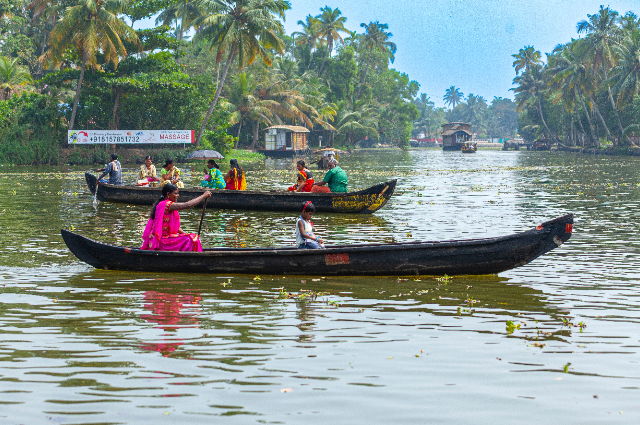
Kerala, often referred to as "God's Own Country," is renowned for its lush green landscapes, rich cultural heritage, pristine beaches, and tranquil backwaters. Among its many natural attractions, the backwaters stand out as one of the state's most unique and captivating features. Stretching along the Arabian Sea coast, Kerala's backwaters form an intricate network of lagoons, lakes, canals, rivers, and estuaries that have become a symbol of the state's beauty and identity. When people think of Kerala, images of swaying coconut palms, emerald-green paddy fields, colourful festivals, and serene waterways often come to mind, but among these many natural treasures, the backwaters stand as one of the most iconic symbols of Kerala's beauty and identity. Known for their tranquil waters, picturesque villages, rich biodiversity, and traditional houseboats, the backwaters are much more than a tourist attraction. They are a living ecosystem, a cultural heritage site, and an economic lifeline for thousands of families. For centuries, these waterways have shaped the lives, livelihoods, and traditions of the people who call them home.
History
Long before modern roads and railways were developed, the backwaters functioned as Kerala's primary transportation system. Boats were used to transport people, spices, coconuts, rice, coir products, and other goods between villages and towns. During ancient and medieval times, Kerala's spice trade attracted merchants from Arabia, China, Europe, and other parts of Asia. The waterways played a crucial role in moving spices such as black pepper, cardamom, cinnamon, and cloves from inland plantations to coastal ports. These trade routes contributed significantly to Kerala's prosperity and helped establish the region as a major centre of commerce.
Formation
The backwaters of Kerala were formed through a unique geographical process. Over thousands of years, the rivers flowing from the Western Ghats carried sediments towards the Arabian Sea. Coastal currents and wave action gradually created sandbars and barrier islands along the shoreline. These barriers separated parts of the sea from the mainland, giving rise to lagoons, lakes, and interconnected waterways.
The backwaters of Kerala are a vast interconnected system of waterways that run parallel to the Arabian Sea. These waterways are formed by the action of waves and coastal currents, creating low barrier islands across the mouths of rivers flowing down from the Western Ghats. The result is a unique ecosystem where freshwater from rivers mixes with seawater, creating a rich and diverse environment that supports numerous species of plants and animals.
The backwater network extends for over 900 kilometres and serves as both a natural wonder and a vital transportation route for many communities. For centuries, these waterways have played an important role in the daily lives of local people, facilitating trade, fishing, agriculture, and communication.
Alleppey
One of the most famous backwater destinations in Kerala is Alappuzha, popularly known as Alleppey. Often called the "Venice of the East," the town is characterised by its numerous canals, lagoons, and waterways. Visitors from around the world flock to Alleppey to experience its scenic beauty and peaceful atmosphere. Alappuzha serves as the gateway to Kerala's backwaters and attracts millions of tourists every year.
Houseboat cruises are among the most popular attractions in the region. These traditional boats, known as kettuvallams, were originally used for transporting rice and spices. Today, they have been transformed into luxurious floating accommodations equipped with modern amenities. Tourists can spend hours or even days cruising through the waterways, enjoying picturesque views of coconut groves, paddy fields, and village life.
Vembanad Lake
At the centre of Kerala's backwater system lies Vembanad Lake, the largest lake in the state and one of the longest lakes in India. Stretching across several districts, Vembanad Lake supports a rich ecosystem and serves as an important source of livelihood for local fishermen and farmers.
The lake supports diverse aquatic life and serves as an important source of livelihood for fishermen and farmers. Numerous islands are scattered across its waters, each possessing unique cultural traditions and lifestyles.
The lake is home to numerous bird species, making it a paradise for birdwatchers and nature enthusiasts. During migratory seasons, various species of birds arrive from distant regions, adding to the area's biodiversity. The annual boat races held on the lake, particularly the famous Nehru Trophy Boat Race, attract thousands of spectators and showcase Kerala's vibrant cultural traditions.
The backwaters are not merely a tourist attraction; they represent a delicate ecological system. Mangrove forests, aquatic plants, fish species, and migratory birds thrive in this environment. The region supports numerous livelihoods, including fishing, coir production, coconut cultivation, and tourism.
Kuttanad
One of the most fascinating aspects of Kerala's backwater region is the Kuttanad area, often called the "Rice Bowl of Kerala." This region is known for its unique agricultural practices. Kuttanad is one of the few places in the world where farming is carried out below sea level. Farmers have reclaimed land from the backwaters by constructing protective bunds and embankments. These reclaimed fields produce large quantities of rice that contribute significantly to Kerala's food supply. The sight of vast paddy fields stretching below water level, surrounded by canals and coconut groves, creates one of the most distinctive landscapes in the country.
Biodiversity and Ecological Significance
The backwaters support a rich and diverse ecosystem. Numerous species of fish, crabs, prawns, and shellfish thrive in these waters. The region also serves as an important habitat for migratory birds, making it a paradise for birdwatchers. Mangrove forests along the waterways help prevent coastal erosion, filter pollutants, and provide shelter for various marine species. The wetlands act as natural flood-control systems and play a crucial role in maintaining ecological balance. Bird species commonly seen in the region include kingfishers, cormorants, herons, egrets, and migratory ducks. During certain seasons, bird sanctuaries near the backwaters become vibrant hubs of wildlife activity.
Village Life through Backwaters
A journey through Kerala's backwaters offers a glimpse into the state's traditional way of life. Along the waterways, visitors can observe fishermen casting nets, women weaving coir ropes, children travelling to school by boat, and farmers tending to their fields. The backwaters serve as lifelines for many villages, where boats remain an essential mode of transport.
The culture of the region is deeply connected to the waterways. Traditional festivals, boat races, folk songs, and local cuisine all reflect the influence of the backwaters. Fresh seafood, coconut-based dishes, and authentic Kerala meals served on banana leaves provide visitors with a memorable culinary experience.
Cuisine
The culinary traditions of the backwater region are heavily influenced by its waterways. Fresh fish, prawns, crabs, mussels, and pearl spot fish are commonly featured in local dishes.
Traditional Kerala meals often include rice, fish curry, coconut-based gravies, pickles, and vegetable preparations. Many houseboat cruises serve freshly prepared meals on banana leaves, allowing visitors to enjoy the authentic flavours of the region. Seafood lovers particularly appreciate specialities such as Karimeen Pollichathu, a delicately spiced pearl spot fish wrapped in banana leaves and cooked to perfection.
Tourism
Tourism associated with the backwaters contributes significantly to Kerala's economy. Houseboat tourism, eco-tourism projects, resorts, and homestays provide employment opportunities for thousands of residents. The backwaters have become one of India's most recognised tourism destinations, attracting domestic and international visitors alike. Sustainable tourism initiatives have also gained importance in recent years. Efforts are being made to preserve the natural environment while ensuring that tourism benefits local communities. Eco-friendly houseboats, waste management programs, and conservation projects are helping to protect the fragile ecosystem.
Houseboats and boat races
No discussion of Kerala's backwaters is complete without mentioning the famous houseboats, locally known as kettuvallams. Traditionally, these boats were used to transport rice and agricultural products. Constructed using bamboo, coir ropes, and wooden planks, they were built without the use of nails. As tourism developed, many kettuvallams were transformed into floating hotels equipped with bedrooms, dining areas, kitchens, and observation decks. Today, houseboat cruises have become one of Kerala's most sought-after tourist experiences. A typical cruise allows visitors to glide through peaceful waterways while observing village life, lush landscapes, and stunning sunsets. Some luxury houseboats even offer traditional Kerala cuisine, cultural performances, and overnight stays. The backwaters are also synonymous with Kerala's legendary snake boat races. These races are among the state's most celebrated cultural events. The most renowned is the Nehru Trophy Boat Race, held annually on Punnamada Lake. Long and narrow snake boats, known as chundan vallams, can carry more than 100 rowers. Teams practice for months before the competition. The synchronised rowing, rhythmic chants, and enthusiastic crowds create an electrifying atmosphere that reflects Kerala's spirit of unity and teamwork. These races are not merely sporting events; they are deeply rooted in local traditions and community pride.
Challenges
Despite their beauty, Kerala's backwaters face several environmental challenges. Pollution, plastic waste, excessive tourism, encroachment, and climate change threaten the health of these waterways. Maintaining water quality and protecting biodiversity have become critical priorities for environmentalists and government authorities. Various conservation efforts are underway to restore damaged ecosystems and promote sustainable practices. Public awareness campaigns and community participation are essential in ensuring that future generations can continue to enjoy and benefit from this natural treasure.
The backwaters of Kerala are far more than a scenic destination. They are a living ecosystem, a cultural heritage, and a source of livelihood for countless people. Their calm waters, lush surroundings, and vibrant communities create an experience unlike any other in the world. From the tranquil canals of Alappuzha to the vast expanse of Vembanad Lake, from traditional houseboats to vibrant snake boat races, the backwaters offer experiences that capture the essence of Kerala. Whether viewed from a traditional houseboat, explored through village walks, or appreciated for their ecological significance, Kerala's backwaters remain one of India's most extraordinary natural wonders. As tourism continues to grow, preserving this unique environment will be essential to maintaining the beauty and legacy of Kerala's cherished waterways. The backwaters remain a timeless reminder that nature and human civilisation can coexist in harmony, creating landscapes of extraordinary beauty and enduring significance.