
We've all been tempted by something that seemed too good to resist—a message, a download, a gesture, a promise. Something that feels harmless, even generous, until the cost is undeniable. The Trojan horse is not just a story from Greek mythology. It is an enduring lesson about trust, desire, and the quiet ways in which we betray ourselves without knowing it. It is also a modern reality, living in the corners of our screens, our inboxes, and the networks we navigate daily.
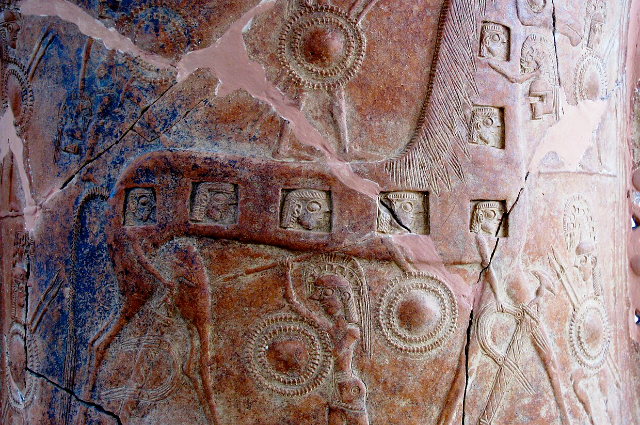
In the myths, the Greeks had been at war with Troy for a full ten years. Weary, they were not even able to breach the city's walls. Thus, they prepared a huge wooden horse: hollow, filled with soldiers, and then left it at the gate as a gift. To the weary and hopeful Trojans, it was a sign of peace. Of course, they didn't question the size of the horse, the improbability of such a gift, or why the Greek fleet had fallen silent. They wanted to believe. And so they welcomed the horse into their city. That night, the soldiers emerged from the horse, opened up the gates, and the city fell.
It is a story we remember not for the violence but for its closeness to human desire. The Trojans fell, not to swords, but to longing and hope. They wanted a shortcut, a proof that the war was over, a gift that would make the danger disappear. It was trust misapplied, curiosity unchecked, and vigilance surrendered.
The wooden horse is digital today. The gift is not a huge statue, but rather a file, a download, a link promising something you need or want or simply cannot resist. You click - and what seemed helpful, an app, a document, a program, is an intruder: it steals, spies, rearranges or destroys. Seduced by familiarity, desirability and the allure of ease, we become like the Trojans. The very impulses that make us human - our curiosity and hope, our need to connect - are used against us.
The modern Trojan horse is not threatening. It wears the mask of convenience, a work document, a funny meme, or a link from a friend. The danger is subtle, almost invisible. It enters quietly, not with a bang but by being wanted. And when it activates, the damage is often much more than practical; it's emotional. There's this feeling of betrayal, of having been fooled by something you should have trusted, of having let desire cloud judgment.
This idea transcends computers. We live in a world full of Trojan horses in human form. The dreams we chase-instant fame, easy money, effortless relationships, at times gifts that mask intrusion. They give us a momentary high but reshape us insidiously. A friend's compliment that masks judgment, a relationship that demands surrender without reciprocation, even social media feeds that "know" what we want before we do-these are all modern wooden horses. They take advantage of our attention, our vulnerabilities, our need to belong.
And yet, the Trojan horse is not solely a tale of defeat. It is also a tale of consciousness, of the possibility of recognition. The Greeks had succeeded because the Trojans were uncritical, not because the horse was invincible. In digital life, awareness can be armour. Not cynicism, but attentiveness, scepticism, and mindfulness can prevent small gifts from becoming traps. When we pause before we click, when we question the gift that seems too easy, we reclaim our agency. We recognise that our desires are sometimes used against us.
But the lesson goes even deeper. The Trojan horse invites us also to investigate the question of why we get drawn in in the first place. The Trojans wanted a solution to exhaustion and fear. Contemporary users click because they want ease, distraction, or connection. We're vulnerable not just because of the threats in the outside world but because of what lives inside us: curiosity and hope and longing. Every Trojan horse reveals the silent vulnerabilities of being human. The horse is a mirror of our own impulses.
Perhaps that is the enduring power of this metaphor: it reminds us of complexity. Rarely does life give gifts without cost. Love, trust, and generosity all involve risk. The Trojan horse is not just about deception but also about awareness, reflective contemplation, and the courage to discern. It begs the questions: what do we receive unquestionably, and what do we inspect? What invites us in, and what do we choose to keep out?
Ultimately, whether mythical or on-screen, the Trojan horse is a tale of attention and of choice. A reminder that to be vigilant is to be human, that to desire is to be human, that to be human is to navigate both. We are always going to be tempted by gifts, by promises, by shortcuts. Whether we notice the horse before we invite it inside and whether we learn from those we let through our gates is another matter altogether.
References:
- Homer. The Iliad and The Odyssey. Various editions.
- Symantec. "Trojan Horse Malware: Definition and Examples." Symantec Security Centre, 2023.
- Mitnick, K., & Simon, W. The Art of Deception: Controlling the Human Element of Security. Wiley. 2002.
- FireEye. “Understanding Trojan Malware Threats.” FireEye Threat Reports, 2022.
- Kshetri, N. Cybersecurity and Cyberwar: What Everyone Needs to Know. Oxford University Press, 2021. Campbell, D. A., & Tenenbaum, G. Greek Mythology: Myths and Legends in Context. Routledge, 2019.