
In March 2026, India felt the effects of a distant war. Fighting between the US, Israel, and Iran sent oil prices soaring. On March 9, global crude jumped past $114 a barrel, the highest level since 2022[1]. Such spikes hit India hard because we import most of our fuel. Officials warned that about 90% of India’s crude oil imports come from the Middle East[2]. When shipping through the Strait of Hormuz, a key route for oil and gas, was disrupted, India’s energy costs rose sharply. In simple terms, war in West Asia meant more expensive fuel at home.
Inflation and Oil Prices
India's finances are strained by rapid increases in fuel prices. The price of gasoline and diesel started to rise at the pump. Soon, the government took action. On March 27, India cut taxes on petrol and diesel to protect consumers. The special excise duty on petrol was slashed from 13 rupees per litre to just 3 rupees. Diesel’s tax was cut to zero from 10 rupees a litre [3]. These moves saved the average Indian driver several rupees per litre, slowing the rise in daily commute costs. Without the cuts, experts estimated consumers would feel an even sharper inflation in food and transport prices. (Reuters reported that fuel taxes were cut by 10 rupees per litre on both petrol and diesel to shield families from higher costs[4].)
Despite tax cuts, the fiscal burden was heavy. India lost about 55 billion rupees (~$739 million) in revenue in two weeks because of the cuts[5]. Even so, the government saw it as necessary. Oil Minister Hardeep Puri said India had chosen to take a hit on its own finances to spare common people from sky-high prices[6]. In practice, this meant that when global oil prices jumped, either the government or the state oil companies absorbed the difference instead of passing it fully to consumers[7].
Protecting Fuel Supplies
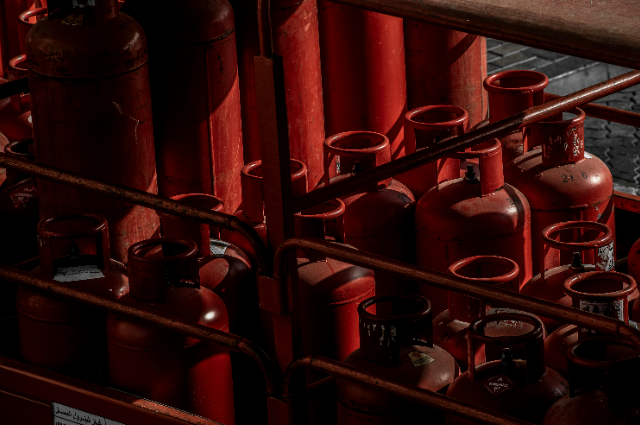
Beyond prices, India also moved to secure fuel supplies. The government worked to make sure petrol, diesel and cooking gas kept flowing. For example, India boosted its domestic LPG output, raising allocation to industries by 20% so more cooking gas would reach households[8]. In the ports, Indian officials said operations were normal, with no shortages reported[9]. The public was reassured by Finance Minister Sitharaman that gasoline, diesel, and jet fuel would not be in short supply[10]. Long lines at pumps and panic buying were avoided thanks to these actions. In fact, Reuters noted that drivers were warned there were no real shortages, even as they queued up with worried faces[11].
The Indian Navy was even involved. With tensions high in Hormuz, New Delhi escorted some gas tankers. In late March, two India-bound LPG (cooking gas) carriers – carrying about 94,000 tons of LPG – successfully passed through the Strait of Hormuz[12]. These were among the first Indian ships to make the transit since the war started. Four Indian tankers had crossed safely, while three more waited to transit[13]. This naval support helped ensure that large LPG imports, which made up 90% of India’s cooking gas supply from the Middle East, kept moving[14]. In other words, India used its own ships to guard its fuel lifeline in the Gulf. This was crucial, since about 60% of India’s total LPG comes from abroad[15].
Impact on Daily Life
People's budgets are significantly impacted by inflation and high oil prices. Consider the average costs for a family: gasoline for the motorcycle, diesel for the generator at the local store, or LPG cylinders for cooking. Everything gets more expensive when fuel prices go up. The use of diesel by farms raises the cost of food; plants burning oil can raise the cost of electricity; and transportation fares may rise. Economists warned that if high prices last, growth could slow and inflation could creep up from its current low levels[16].
Many middle-class Indians started cutting back. Daily commuters noticed that even with the tax cut, filling a tank cost more than a few weeks earlier. Small businesses felt the pinch as delivery and logistics costs climbed. A Reuters explainer noted that India’s current account and government budget would be strained if oil stays high[17]. This means more pressure on savings and potentially less money for other needs. Some families delayed buying new appliances or cars, fearing petrol might jump again. To put it briefly, people had to reconsider their spending due to the volatility of oil.
Independence vs. Dependency
The events of March highlight India’s energy dependence on the world. India is the third-largest oil consumer globally, but we import most of our oil and gas. We buy from the Middle East, the US, Africa – wherever supplies are available. This interdependence means a conflict far away can change prices here. As Reuters noted, India imports nearly 90% of its crude and 50% of its gas[2], with half its oil from the Middle East. Since there are only a few weeks' worth of reserves, any disruption in supply quickly drives up prices.
This vulnerability, according to experts, is a crucial lesson: India must improve its energy resilience. In the short term, cutting taxes and securing shipping lanes help. In the long term, India is pushing domestic projects (like new oil and gas drilling) to reduce reliance on imports[18]. There is also talk of diversifying to renewables and other energy sources. But these changes take time. For now, India must manage the balance: stay tied into global markets (to access needed fuel) while building buffers and alternate routes. The Hormuz crisis showed how fragile the situation can be.
Looking Ahead
The good news is that by late March, oil prices had come down from their highs. Reports noted that markets were easing as tensions stabilised. But India remains watchful. The government will likely keep an eye on the oil market and inflation data. Economists predict that if prices stay near $100, growth could dip a bit and inflation inch up[16]. Policymakers will use the budget gap from tax cuts to support vulnerable citizens and industries.
In the end, India’s response to the conflict was a mix of immediate relief and caution. By cutting fuel taxes, the government gave quick breathing space to families paying for petrol and diesel. By escorting ships and adjusting LPG supplies, it protected our fuel needs. However, the crisis also demonstrated that distant conflicts have tangible local costs. The lesson is obvious for the average Indian: our future depends on the state of the world's energy industry. Staying safe from these shocks will require smart policies and perhaps more domestic energy options.
Sources: News reports and official statements on India’s fuel policy and imports[3][15][2][1]. These data and analyses show how oil supply risks translated into higher prices and government action during the March 2026 conflict crisis.
Notes
Oil Prices Soar to $114 Amid Iran-Israel Conflict Disrupting Gulf Supplies
Explainer: How persistently high oil prices could impact India's vulnerable economy | Reuters
India cuts excise duties on petrol, diesel as global oil prices surge | Reuters
India Cuts Fuel Taxes and Curbs Exports as Oil Crisis Deepens | OilPrice.com
Two India-bound LPG tankers clear Strait of Hormuz, government says | Reuters