
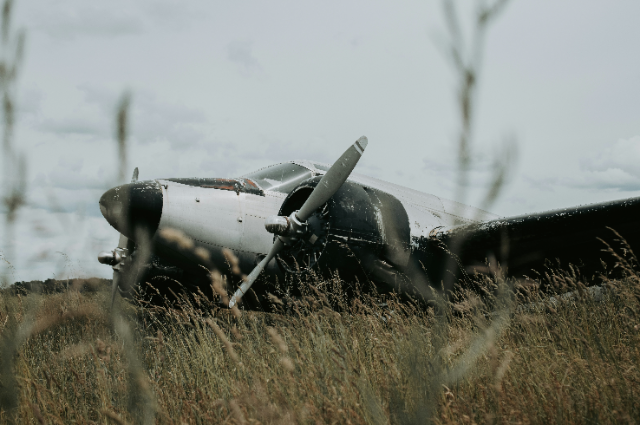
Late that night, rain lashed the hills as the small, privately chartered Beechcraft C90 medical aircraft left Ranchi with a sick man onboard. Minutes after takeoff, it disappeared while flying above a thick forest near Chatra. A storm raged at the time, masking any distress signal. Seven lives ended when the Beechcraft crashed without warning. The journey had begun with hope - a hospital transfer meant to save him. Instead, broken metal scattered through trees told another story. No mayday call reached air traffic control before contact broke. Family members, medics, pilots - all gone within moments. This charter flight exposed deep flaws hidden beneath routine operations. Emergency care in remote areas relies on risky air transport by default. Faulty systems rarely surface until disaster strikes. Now grief spreads wider than just those who lost someone close. Questions rise slowly, like smoke from damp ground. Why do patients need such dangerous trips just to reach treatment? Safety gaps linger where oversight fails most. One storm did not cause everything - weak links built up long before. Silence follows every answer we pretend to know.
The victims became faces of heartbreak. 41-year-old Sanjay Kumar had suffered severe burn injuries at his hotel in Latehar district and was rushed to Ranchi’s hospital. With doctors warning that a long road transfer to Delhi’s specialised burn centre could be fatal, his family spent nearly ₹8 lakh (800,000 rupees) borrowing money and hiring the air ambulance. On board were Sanjay’s wife, Archana and nephew Dhruv as attendants. Even the anaesthetist, Dr Vikas Gupta, had been called in at the last minute to care for Sanjay – “he didn’t think twice,” relatives recalled. The pilots, Captain Vivek Bhagat (28) and First Officer Savrajdeep Singh, were young and experienced. Vivek was days away from a wedding leave, excited about a friend’s upcoming marriage. In a few horrifying moments, their dreams were shattered on the tarmac as much as the lives they tried to save. A grieving uncle summed it up: “Who could have imagined they were paying for a journey to death rather than life?”
When “Premium” Care Fails
Out in the open, far from city centres, medical help fades fast. In major hubs like Delhi or Mumbai, major hospitals stand ready with emergency rooms and intensive care units. Yet for most folks living across India, reaching such spots feels out of reach. Rural regions? They often sit empty-handed when a crisis hits. Choices grow narrow when help is far away. In states like Jharkhand, specialised burn or cardiac hospitals are hours away, accessible only by rough roads. Forbes India notes that air ambulances have become the only feasible option for many patients in eastern and northeastern India, where distance and poor infrastructure make road travel deadly. Beechcraft King Air turboprops – small planes often years old – are retrofitted into flying intensive-care units, carrying life support equipment and medical teams. They promise “speed and survival,” but they face natural limits: late-night takeoffs, bad weather, and minimal ground support at tiny airports.
The Chatra accident tragically illustrates these perils. Evening came. That is when the plane lifted into the sky. Soon after, fierce rain began. Lightning flashed across dark clouds while the wind shook everything. Not long passed before the pilot spoke up about changing course - the weather had turned too rough. Then silence followed. Radar showed nothing more than space where it once was. Mountains stretched far below, hidden by storms. No warning reached ground stations. Nothing could stop what happened next. Officials said the small plane simply lost contact in thunderous conditions. This was not a luxury jet with modern avionics, but a rugged charter plane flying on life support and hope – and on that night, nature proved unkind.
Sky-High Costs, Human Toll
Air ambulances are costly. Families often pay lakhs of rupees – a fortune for many – on a last-ditch chance to save a loved one. Forbes reports that even domestic air evacuations can run into several lakhs of rupees, depending on distance and aircraft. In Sanjay’s case, his kin had already scraped together ₹6 lakh in advance and borrowed another ₹2 lakh for further expenses. These were typically out-of-pocket loans or contributions from relatives; there is no public insurance or government cover for such transfers.
This tragic crash shows the double burden: emotional and financial. The family had braved debt and anxiety to find “premium” care, only to have it snatched away. Across India, similar stories play out when a patient’s life hangs in the balance and faraway hospitals beckon. The desperation is real – and so is the risk. As one relative anguished after the crash, “We tried to take him by road, but the doctor said we couldn’t... So we decided to take him by air ambulance.” A decision made to protect someone led straight into disaster.
Regulation and Oversight: Missing Links
Flying hospitals in India follow private flight laws, yet they once carried fewer demands than normal passenger planes. Rules made just for them did not exist before the middle of the last decade. A fatal event near Delhi changed things - ten lives lost, seven inside a medical plane model PC-12. This tragedy struck months after another similar one back in 2011. Because of both crashes, authorities acted; by 2016, new safety measures arrived through DGCA. Medical aircraft then had clear needs: gear checked, staff trained, procedures fixed.
Still, crashes kept happening, showing gaps remained. Right after the Chatra incident, the aviation authority moved fast to update guidelines. By February 2026, fresh directives rolled out across Indian airspace targeting private flight services - this covers medical evacuation planes too. Now firms must share past safety data openly, submit to surprise inspections of cockpit recordings and repair histories, while facing steeper fines when rules are ignored. Pilots need room to say no when conditions get risky - that’s what matters most. The aviation authority made it clear: grounding a flight for safety shouldn’t come with consequences. Past probes revealed how some flight teams pushed on despite shaky weather, swayed more by schedules than caution.
Redbird Airways – the operator of the Chatra flight – now faces tough scrutiny. Company executives insisted the two pilots were experienced, but regulators will probe maintenance records and decision-making. In fact, DGCA has begun more audits and even a safety “rating” for charter firms. These moves aim to stop history from repeating itself. But critics say more proactive oversight is needed. Air ambulances should be held to transparency and training standards comparable to airlines. Families hiring such services rarely know the age of the aircraft or the crew’s track record – knowledge that could spell life or death.
Lessons from the Past
This crash is not an isolated horror. India’s skies have seen other air-ambulance emergencies. In May 2016, a Beechcraft King Air C90A air ambulance flying from Patna to Delhi suffered dual engine failure near Delhi. By sheer skill, the pilot crash-landed in the Najafgarh fields, and all seven aboard survived. That incident highlighted the risks of small planes and the importance of training; DGCA then emphasised it would finalise its rules. In May 2021, another chartered air ambulance belly-landed safely in Mumbai after a wheel failed. Neither of those flights was carrying burn victims – not yet – but they underscored that well-handled crises can end well.
Earlier came the well-known Faridabad disaster of 2011 - a PC-12 medical plane, transporting a person needing urgent cardiac care along with its team, fell into homes. Seven inside lost their lives, plus three outside; ten gone. That moment still lingers. That disaster finally pushed the DGCA to require licensing and medical equipment standards for charter ambulances. But today’s Chatra crash, involving another Beechcraft King Air (a model widely used for these flights), is the deadliest since. Each tragedy has prompted stronger words and regulations – yet every time, it seems, tragedy strikes first.
A Fragile Healthcare Mesh
What does this say about India’s emergency medicine? Simply put, our lifelines are brittle. Air ambulances fill gaps when roads are too slow or clinics are too distant. One in a thousand - that’s how many doctors serve India’s vast population. Remote regions? They get even less, especially experts who rarely reach villages. The latest crash underscores that reality. It poses a hard question: if a ₹8 lakh flight still ended in bloodshed, how safe can so-called “premium” emergency care be?
Critically, “lift and shift” has limits. Out here, a fast ambulance won’t fix what’s missing down the road. When the closest ER is an hour away, lives hang in the balance, whether the chopper shows up in time. And if oversight and training don’t keep pace, such gambles will sometimes kill. As one expert noted after the Ranchi crash, this flight “was not a normal operation” – yet in desperation, it became a routine choice.
Moving Forward: Securing the Lifeline
Now that the Chatra event has unfolded, officials and citizens alike find themselves wondering about the path ahead. Handling the situation well means fixing what happens during crises below, while also making flights above more secure. Instead of only major urban centres, critical medical support ought to spread wider across rural areas too. More district hospitals must have ventilators, burn units, and specialists, reducing the need for frantic transfers. For families, this means hope can stay closer to home.
In the skies, regulators must keep pressure up. DGCA’s new mandates are a start, but they should be followed by rigorous enforcement: regular audits of charter fleets, mandatory flight planning for bad weather, and real-time oversight of older planes. Companies should list aircraft ages and maintenance records upfront, and pilots should be empowered to say “no” without fear. In fact, some states are exploring government-funded air-ambulance services (at subsidised rates) to ensure quality and accountability.
Additionally, strengthening road ambulances and “Green Corridors” on highways can save precious minutes without flight. Training programs in emergency response for rural clinics can stabilise patients during the crucial transfer window. And public awareness must grow: families ought to know that rushing by air is lifesaving in some cases – but also dangerous if conditions turn sour.
Above all, the Chatra crash must not be forgotten as a mere statistic. It was a harsh reminder that every piece of our emergency medical network must be rock-solid. The loss of Sanjay, his family, doctors, and pilots is a collective tragedy – but it can also light a path to change. By bridging healthcare gaps and tightening oversight, India can hope that the next time life hangs by a thread, help comes safely from the sky rather than becomes a final nightmare.
Notes:
- Seven killed in air ambulance crash in India's Jharkhand state | Reuters https://www.reuters.com
- Jharkhand air ambulance crash: Family borrowed Rs 8 lakh for ill-fated medical flight | India News - The Times of India https://timesofindia.indiatimes.com
- Air ambulance crashes in India: A service under scrutiny https://www.forbesindia.com
- 4Air ambulance crash-lands in Najafgarh https://www.business-standard.com
- Navigating the Costs: Is Air Ambulance Service Affordable in India? - Lifewings https://lifewingsairambulance.com