
Image by StockSnap from Pixabay
A wave of public anger swept India recently when a video showed police officers laughing at a crime press briefing. In the Coimbatore case, a 10-year-old girl was brutally murdered – yet officers cracked jokes while giving updates. The images were shocking and went viral. Citizens saw not a caring guardian of justice but a cold bureaucracy joking through someone’s worst moment. Similar stories have appeared around the world: in the U.S., an officer’s grin after killing an innocent student made headlines. Such incidents expose a deep problem. When the police react with indifference or humour instead of solemnity, people feel betrayed. Many call this institutional indifference – a gap between police and the public they serve. It is no small matter. A justice system depends on trust, and trust collapses if its guardians seem detached from human pain.
Why Empathy Matters: Trust and the Rule of Law
A row of police patrol cars with flashing lights at night. Even authority under darkness can breed fear instead of trust. When police appear uncaring, public confidence plummets. Empathy is essential for any fair legal system. Simply put, empathy means understanding and sharing the feelings of others – including victims and ordinary citizens. Without it, policing becomes just power over people, not protection for people. Studies show that officers who lose compassion create barriers between the police and the community. Victims may feel intimidated, hesitate to report crimes, or doubt investigators. The FBI research finds that compassion-fatigued officers tend to show “a decrease in empathy… which may negatively impact trust building”. In other words, a cop with a burned-out heart can slow down a case by alienating witnesses. Empathy earns cooperation: a gentle officer listening to a grieving family is more likely to get answers than a scowling one. In India and elsewhere, this trust-building role is written into the idea of police as public servants. When police lack empathy, the law loses its moral force. People begin to believe that laws are only for those with clout, and justice is a hollow promise.
Empathy also benefits the police themselves. Experts note that officers who show care for others and for themselves tend to have better well-being. In trauma-informed policing (a training approach now used in many countries), the goal is to help officers recognise how suffering and stress affect everyone. For instance, the International Association of Chiefs of Police (IACP) found that “empathy for those served, for one another, and for oneself can enhance the quality of life for those in law enforcement”. In plain terms, when police leaders emphasise respect and understanding, the force becomes stronger and safer, not weaker. Empathy is not about being soft or inefficient; it’s about making policing more effective.
Inside the Mind: Compassion Fatigue and Burnout
Why do some officers seem so shut off? Behind many insensitive gestures is a psychological reality: compassion fatigue. Police officers witness horrific scenes — violent crimes, abuse, death day after day. Over time, this relentless exposure can emotionally numb them. Research confirms that “officers responding regularly to traumatic situations… deal with secondary trauma,” which “creates a vulnerability to compassion fatigue”. In other words, seeing one bad case after another can dull even a caring person. A cop might subconsciously shut down emotions to cope. This is a natural survival mechanism: the mind shields itself from repeated horror by turning off empathy bit by bit. But the side effect is that officers start to seem cold or distant at work.
These stress factors hit hardest in India, where many officers are simply overburdened. Surveys of Indian police find that half of frontline officers report extreme work-life conflict. They face “volatile conditions, … difficult circumstances, long duty hours, and heavy workloads”. Some constables work all day and night with no regular break, often in crowded or dangerous posts. Many do not have access to basic mental health support. In this gruelling environment, even a good officer can become exhausted and irritable. One can say that their hearts are worked past the breaking point. That does not make them evil – just human.
Compassion fatigue builds on itself. An officer who has become numb might show poor listening or curt body language, which in turn frustrates victims. The FBI researchers warn that diminished empathy “may negatively impact trust building”. On the flip side, if a police department provides support – counselling, reasonable shifts, recognition – officers can recover some care. Importantly, the problem is not individual bad apples, but a system stress: too many hard cases, not enough psychological care. Addressing these mental health needs is crucial if officers are to remember why they took the job: to help people.
Colonial Legacy: Fear and Control
India’s policing system still carries old scars. The modern Indian police were born from colonial demands, not from a caring mission. The British enacted the Police Act of 1861 after the 1857 uprising, specifically to create a “centralised, disciplined police force to maintain control over the population”. In other words, the goal was to keep order and suppress revolt, not to serve citizens. Though amended, that Act set a foundation that lingers today. The same logic of control over service can be sensed in many police stations: heavy walls, dim cells, and strict hierarchies. A colonial era law summary explains that the Act “continues to influence the functioning and organisation of the Indian police,” and that “its colonial origins still pose challenges in a democratic framework”.
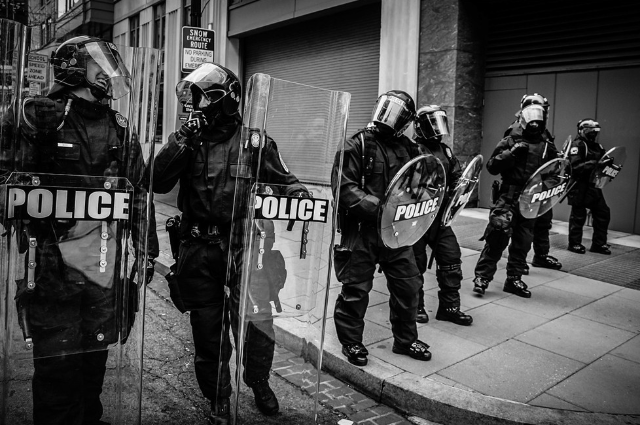
This history matters. When victims step into a forbidding station or see officers in rigid formation, they remember the old power dynamic. A hostile architecture and a distant attitude make people feel afraid to speak. In practical terms, this means many victims avoid filing complaints at all. Today’s policing in India, by accident of history, often feels like an obstacle to justice. This fear-based model is the opposite of empathy. If a colonial plan made police instruments of control, we must now counter it by making police instruments of care.
Rebuilding Trust: Training and Reform
Change is possible. Police training and culture can be reformed so that human values guide behaviour. For example, academies can add courses on emotional intelligence and trauma awareness. Instead of focusing purely on crime statistics, recruits can learn how to communicate sensitively with victims. Studies show that “training officers in trauma-informed policing” methods can significantly “increase empathetic approaches”. These methods teach officers to recognise that everyone at a crime scene (including themselves) carries stress and fear.
India has already taken steps in this direction. Some states are experimenting with “Samvedi” (empathetic) police training, stressing compassion alongside discipline. A few cities have set up separate desks for victims, where officers are trained to be patient and listen. Technology helps too: digital complaint systems and mobile kiosks can ease the process for ordinary people. Setting up quick-complaint apps or counselling units shows victims they will be heard. Even small gestures – giving families a glass of water at the station, ensuring a woman officer is present – can make a big difference.
Media scrutiny also pushes reform. Clear protocols now forbid officers from joking during press briefings on tragic cases, because everyone understands how hurtful that is. After Coimbatore, new guidelines reminded police leaders: officers must always remember the camera and families are watching. These changes help remind officers to behave respectfully.
A balanced approach means combining accountability with care. Officers must face consequences for blatant misconduct to show people that wrongdoers will be punished. At the same time, police forces need real support for officers who risk their lives daily. Reasonable leave schedules, peer support groups, and mental health leave can prevent burnout. When supervisors listen to overworked constables and act fairly on transfers or promotions, morale rises. The goal is a police culture that celebrates courage with compassion, not aggression for its own sake. That balance will be key to regaining trust.
Lessons from Abroad: Community and Dignity
A British community policeman stands among families at a street fair. In many countries, police officers spend their days among citizens, not apart from them. We can learn from those examples. In Japan, the “kōban” system puts small police booths in neighbourhoods. People wave “Good morning” to officers on patrol outside local shops. As an official report notes, these booths are “effective as contact points between police and residents” and help build trust. Visiting foreign police are often impressed: they find that Japanese policing is “built on a foundation of public trust” through these friendly stations.
Other countries emphasize trauma aware policing. In the UK and Canada, officers receive training to avoid dismissive language and to recognise citizens’ emotional state. The IACP report we cited is American, but even it echoes this global trend: understanding trauma leads to empathy. Nordic nations often top global trust surveys (Denmark and Finland report over 85% public trust). There, police are seen more as service providers than as an armed force. Of course, India is different in size and challenges; one cannot copy another country’s police wholesale. But the lesson holds: policing with dignity and communication brings people and police closer.
Some of these ideas are already filtering home. Community policing programs in India try to involve local leaders in crime prevention, and the right to information has made police records more transparent. Civil society groups train officers in sensitivity, and even Bollywood has begun to ask why a hero cop can’t also be a gentle listener. Each step toward caring policing pays off in safety. When the neighbourhood sees an officer helping a lost child or advising at a community meeting, the badge stands for protection and service, not just fear.
Moving Forward: A Balanced Path
Policing in India faces a reckoning. We have outlined urgent problems and possible solutions, but let us stay balanced. Not every officer is callous – many join the force to make a difference and do not deserve blanket blame. They, too suffer under a system that needs reform. Equally, we cannot ignore serious failures. Victims of crime deserve compassion. The public’s anger after Coimbatore and similar cases is understandable. A mature debate must follow the anger.
The way forward seems to be a long and winding road of reforms and mutual understanding. Political authorities should stop exploiting the police as a tool of oppression and instead focus on training and welfare. Administrations should enact laws (such as the Prakash Singh recommendation) that would ensure police independence and protection of civil servants’ rights. On its part, the public should understand that even the best among us can experience burnout and thus require compassion and support. Media and citizens should promote positive examples of police conduct by reporting on them and calling for more in the future. After all, every diligent policewoman saving a life or an elderly officer listening to cat complaints with a smile is inspiring and helps build respect for the force.
Ultimately, we must remind ourselves of the ideal: policing is “management of human distress,” as one analysis put it. Every person who walks into a police station is likely at their most vulnerable. How the police treat them – with courtesy, empathy, and urgency – sends a message about justice itself. If officers show humanity, the badge becomes a symbol of help. If they show indifference, it becomes a symbol of oppression. India needs more of the former and less of the latter.
Public trust will be re-established, not through hollow platitudes about compassion but rather through enhanced training, improved accountability mechanisms, and cultivating a police culture that is sensitive to the needs of the public. It is a matter of not only restoring faith in the system but also doing justice to the sacrifices made by those who serve, as well as the victims who continue to endure. By reviving empathy, India can create a safer nation wherein every individual's sense of security is not misplaced.
Reference links
- Compassion Fatigue Among Police Officers (FBI)
- Trauma-Informed Policing and Empathy (Police Chief Magazine)
- Work-Life Balance and Mental Health of Indian Police
- The Police Act of 1861 and Its Colonial Legacy
- Japan’s Koban Community Policing Model