
Climate change is one of the most serious and dangerous problems in the modern world. It is not a sudden change but a slow and continuous process that affects weather, seasons, agriculture, water resources, and human life. Due to climate change, the Earth’s temperature is rising, summers are becoming hotter, winters are changing, rainfall is becoming irregular, and natural disasters such as floods, droughts, cyclones, and heat waves are increasing. Scientists agree that the main cause of climate change is human activity, especially the excessive use of fossil fuels like coal, oil, and gas.
India is facing the effects of climate change very strongly. Farmers suffer due to unpredictable rains, cities face floods and water shortages, and people suffer from extreme heat and pollution-related diseases. At the same time, India is a developing country with a large population and growing industries, which need more and more electricity every year. If India continues to depend on coal and fossil fuels, pollution and climate problems will become even worse. Therefore, India must shift to clean and renewable energy sources. Among these sources, wind power is one of the most important and effective solutions for India’s clean energy goals.
What Is Wind Power and How Does It Work?
Wind power is a renewable source of energy that uses the natural movement of air to produce electricity. Wind is created because the Sun heats the Earth unevenly. Some areas become warmer than others, and this difference in temperature causes air to move from high-pressure areas to low-pressure areas. This moving air is called wind. Humans have used wind for thousands of years, such as in sailing boats and grinding grain, but modern technology has made it possible to use wind to produce electricity on a large scale.
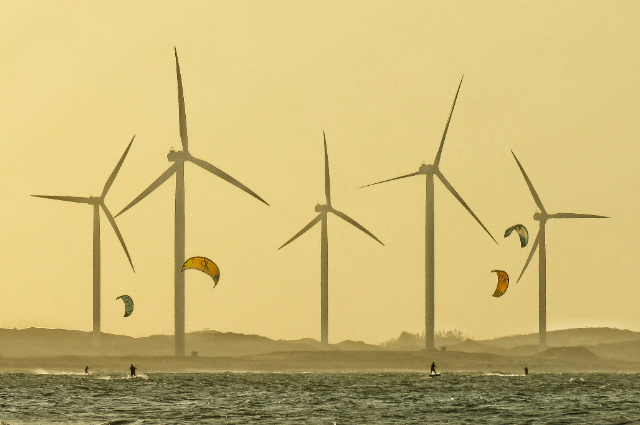
To generate wind power, large machines called wind turbines are installed in places where wind blows strongly and regularly. These places include coastal areas, open plains, hills, deserts, and offshore regions. A wind turbine has three main parts: long blades, a tall tower, and a generator. When wind flows over the blades, it creates lift, causing the blades to rotate. This rotation turns a shaft inside the turbine, which is connected to a generator. The generator then converts mechanical energy into electrical energy, which is sent to homes, schools, hospitals, and factories through power lines.
One of the biggest advantages of wind power is that it does not require burning any fuel. Unlike coal or gas power plants, wind turbines do not produce smoke, ash, or harmful gases such as carbon dioxide or sulfur dioxide. This makes wind power a very clean and environmentally friendly source of electricity. Wind is also freely available in nature and never runs out, which means wind power is sustainable and suitable for long-term energy production for present and future generations.
Why Clean Energy Is Necessary for India:
India’s electricity system depends heavily on coal-based power plants. Coal has been the main source of electricity for many years because it was easily available and cheap. However, burning coal releases large amounts of carbon dioxide, sulfur dioxide, nitrogen oxides, and fine dust particles into the air. These pollutants cause serious air pollution, which leads to breathing problems, lung diseases, heart issues, and even early deaths. Cities like Delhi, Mumbai, and Kolkata often face dangerous air quality levels, especially during winter.
Coal mining also causes severe environmental damage. Large areas of forests are cut down to extract coal, which destroys wildlife habitats and reduces green cover. Mining activities pollute rivers and groundwater, making water unsafe for drinking and farming. Many local communities are displaced from their homes due to mining projects. Because of these serious problems, it is clear that India cannot continue depending on fossil fuels for its growing energy needs.
Clean energy is necessary to protect public health, reduce pollution, and support sustainable development. Renewable energy sources like wind power do not pollute the air or water and do not harm nature. Wind power is one of the best clean energy options for India because it produces electricity without damaging the environment while meeting the country’s growing energy demand.
Role of Wind Power in Fighting Climate Change:
Wind power plays a very important role in reducing climate change because it helps lower greenhouse gas emissions. Climate change is mainly caused by gases like carbon dioxide that trap heat in the atmosphere. Coal and gas power plants release huge amounts of these gases every day. When electricity is generated from wind instead of fossil fuels, these emissions are avoided.
Every unit of electricity produced from wind replaces electricity that would otherwise be generated from coal or gas. This directly reduces the amount of carbon dioxide released into the atmosphere. As wind energy capacity increases, India’s overall carbon emissions decrease. This helps slow down global warming and reduces the risk of extreme weather events like heat waves, floods, and droughts.
Cleaner air also means fewer health problems, lower medical costs, and a better quality of life for people. Wind power helps India move toward its climate commitments and global responsibility to protect the planet. In this way, wind energy supports both environmental protection and human well-being.
India’s Natural Advantage for Wind Energy:
India is naturally rich in wind resources due to its geography and climate. The country has a long coastline of more than 7,500 kilometers, wide open plains, deserts, and elevated regions where wind speed is strong and steady for most of the year. Coastal winds and monsoon winds provide excellent conditions for wind energy generation. States such as Tamil Nadu, Gujarat, Rajasthan, Maharashtra, Karnataka, and Andhra Pradesh have very high wind potential. Tamil Nadu has been a leader in wind power for many years, while Gujarat and Rajasthan are rapidly expanding wind energy projects. Offshore wind energy along India’s coastline also has huge future potential.
Because of these natural advantages, India has already developed many wind farms and is among the leading countries in the world in wind energy capacity. With better planning, improved technology, and strong government support, India can further expand wind power and make full use of its natural wind potential.
Wind Power and Energy Security:
Energy security means having a stable, affordable, and reliable supply of energy without heavy dependence on other countries. India imports large amounts of coal, oil, and gas from abroad. This makes energy expensive and uncertain because prices can rise suddenly due to global conflicts, wars, or market changes.
Wind power helps improve energy security because wind is a domestic resource. It is available within the country and does not need to be imported. By using wind energy, India can reduce its dependence on foreign fuels, save foreign currency, and protect itself from global energy price shocks.
Producing electricity from wind also makes the power system more stable in the long run. This strengthens the economy and ensures that future generations have access to reliable energy.
Wind Power Works Together with Solar Energy:
Solar energy produces electricity mainly during the daytime when sunlight is strong. However, solar power generation reduces during the night and on cloudy or rainy days. Wind energy behaves differently. Wind often blows more strongly at night and during the monsoon season, when solar energy is weaker. Because of this natural difference, wind and solar energy complement each other very well. When both are used together, electricity can be supplied more evenly throughout the day and year. This reduces power shortages and increases reliability.
Combined wind-solar projects reduce the need for coal-based backup power plants and help create a cleaner and more balanced energy system. This combination is very important for India’s clean energy transition.
Economic Benefits of Wind Power:
Wind power is not only good for the environment, but also good for the economy.
- It creates jobs in manufacturing, installation, and maintenance.
- It supports local industries and small businesses.
- Farmers can earn extra income by allowing wind turbines on their land.
- Electricity from wind has become cheaper over time due to improved technology.
- These benefits help in rural development and support sustainable economic growth.
Challenges of Wind Power and Their Solutions:
One major challenge of wind power is that wind does not blow all the time. This can cause fluctuations in electricity generation. However, modern solutions are available to manage this problem. Better weather forecasting helps predict wind patterns accurately.
Energy storage systems such as batteries can store excess electricity when wind production is high and release it when wind is low. Hybrid projects combining wind and solar power also improve reliability. Government policies, improved transmission systems, and investment in smart grids are helping overcome these challenges. With proper planning and technology, wind power can become a stable and dependable energy source.
Future of Wind Power in India:
The future of wind power in India is very promising. Awareness about climate change, pollution, and clean energy is increasing among people and policymakers. The demand for renewable energy is growing rapidly.
New technologies are making wind turbines taller, stronger, and more efficient, allowing them to produce more electricity at lower wind speeds. Offshore wind projects also offer great potential for future growth. If India continues to invest in wind energy, improve infrastructure, and support innovation, wind power will play a major role in achieving climate goals and sustainable development. It will help protect the environment and provide clean energy for future generations.
Wind power is a key pillar of India’s clean energy ambitions and climate change strategy. It is clean, renewable, and environmentally friendly. Wind energy reduces pollution, protects public health, strengthens energy security, and supports economic growth. By expanding wind power and combining it with other renewable energy sources, India can move toward a cleaner, greener, and more sustainable future. Wind power is not just an alternative for India—it is an essential solution for protecting the environment and ensuring a better future for the coming generations.